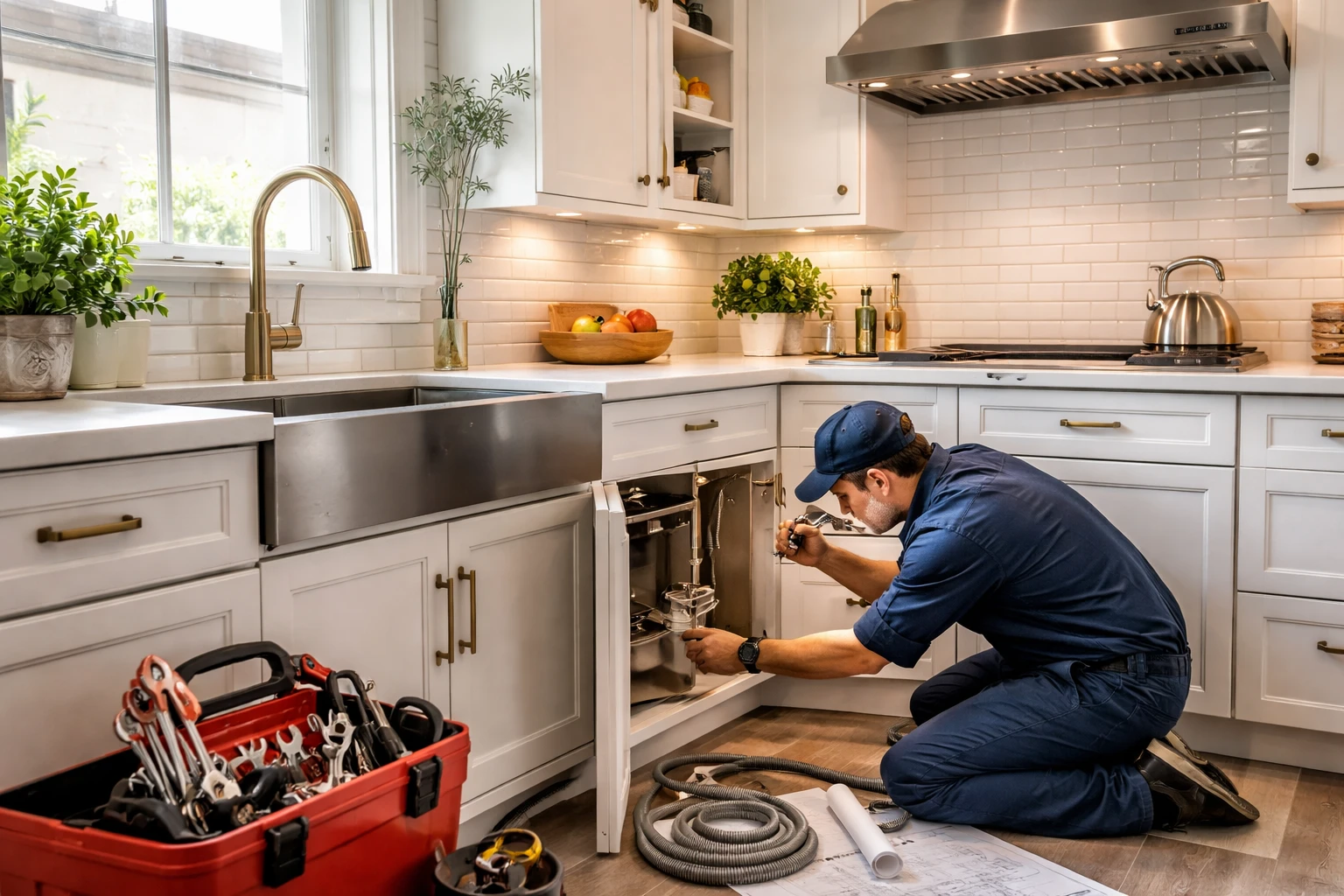
Home improvement projects are often inspired by visual transformation—new paint colors, updated furniture, or refreshed décor. However, behind every comfortable and functional home lies a reliable infrastructure system that supports daily routines. Plumbing is one of the most important yet frequently overlooked elements that directly affects how enjoyable and stress-free a living space truly is.
Everyday Comfort Starts With Reliable Plumbing
From morning routines to evening relaxation, plumbing systems are constantly in use. Showers, sinks, washing machines, and dishwashers all rely on properly designed water delivery and drainage. When plumbing is outdated or poorly maintained, small inconveniences such as low water pressure or slow drains can quickly turn into major disruptions.
A well-functioning plumbing system ensures consistent water temperature, efficient drainage, and dependable access to clean water. These factors play a significant role in overall home comfort, even if they are rarely visible.
Plumbing and Home Renovation Projects
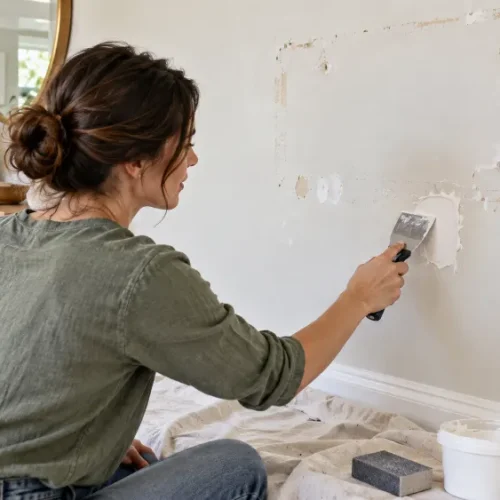
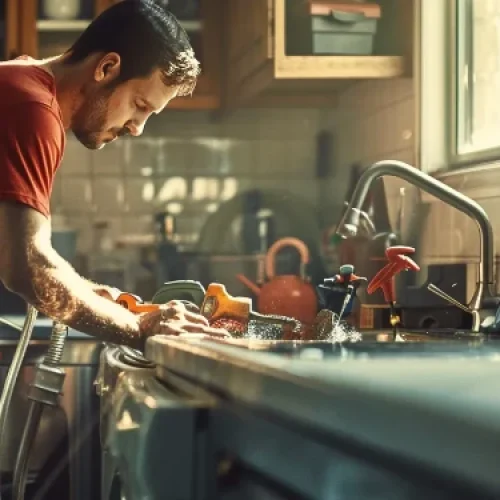
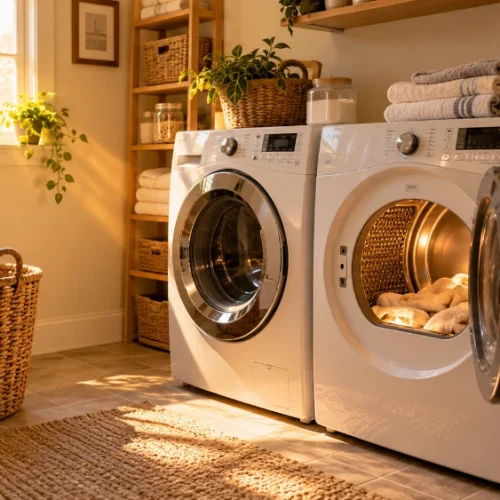
DIY upgrades and decorative renovations often require coordination with existing plumbing systems. Bathroom refreshes, kitchen updates, and laundry room makeovers all depend on properly placed pipes, valves, and fixtures. Before installing new cabinetry or upgrading finishes, it is important to ensure that plumbing components are compatible with the new design.
Many homeowners discover plumbing issues only after beginning renovation projects. Addressing infrastructure needs early helps prevent costly changes later and protects newly installed surfaces from water-related damage.
Preventing Common Household Plumbing Issues
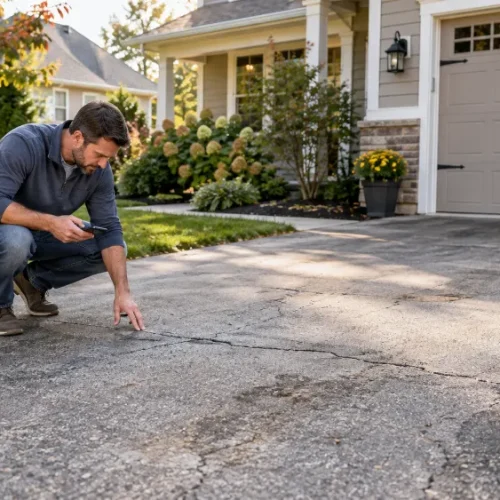
Routine maintenance is key to avoiding unexpected plumbing problems. Common issues such as hidden leaks, mineral buildup, and aging pipes can develop slowly without obvious warning signs. Over time, these issues may lead to water damage, mold growth, or increased utility bills.
Preventive measures often include inspecting visible connections, monitoring water pressure, and scheduling professional assessments when homes reach certain age milestones. Proactive care helps homeowners maintain peace of mind while extending the lifespan of plumbing systems.
Bathrooms and Kitchens: High-Impact Spaces
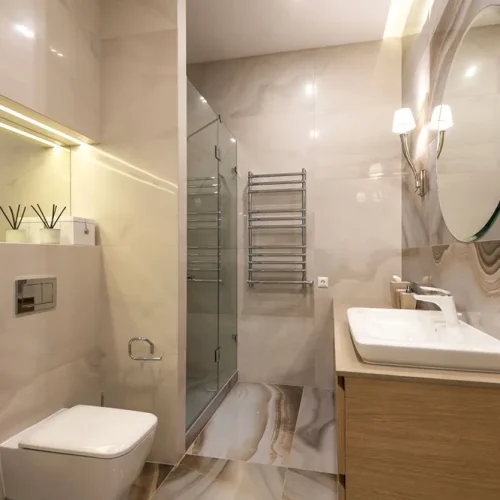
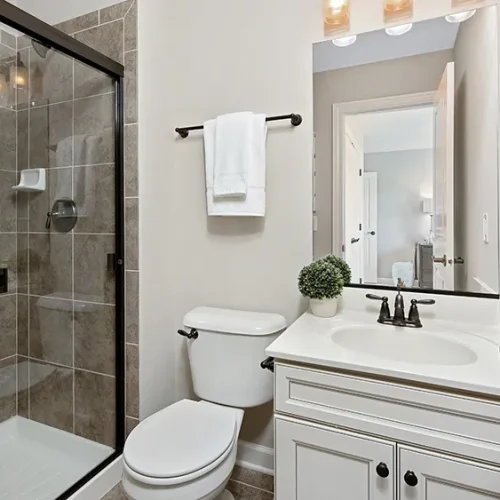
Bathrooms and kitchens are the most plumbing-intensive areas of any home. These spaces are also among the most influential when it comes to comfort and resale value. Modern fixtures, efficient water heaters, and properly functioning drainage systems enhance both daily usability and long-term appeal.
Even small plumbing upgrades—such as replacing old shut-off valves or updating supply lines—can significantly improve performance while supporting aesthetic improvements.
Local Expertise and Home Care Planning
Homes in established urban neighborhoods often face unique plumbing challenges related to building age and infrastructure layout. Understanding local housing characteristics can help homeowners plan maintenance and upgrades more effectively.
For those seeking localized insights, service considerations, and maintenance guidance related to residential plumbing systems, this full version resource provides additional information focused on neighborhood-specific home care and plumbing support.
Supporting Sustainable Living at Home
Modern plumbing solutions also contribute to sustainable living. Low-flow fixtures, efficient water heaters, and leak detection technologies help reduce water consumption without sacrificing comfort. These improvements align with environmentally conscious lifestyles while offering long-term cost savings.
Sustainable plumbing choices are especially valuable in busy households where water usage is high and efficiency gains quickly add up.
Conclusion: Infrastructure That Supports Everyday Living
While décor and design define a home’s personality, plumbing infrastructure supports its functionality. Reliable water systems allow homeowners to enjoy their living spaces without interruption, protect investments made in renovations, and maintain long-term comfort.
By giving plumbing the same attention as visible upgrades, homeowners create environments that are not only stylish but also dependable, efficient, and built for everyday living.
FAQs
Plumbing supports daily activities like bathing, cooking, and cleaning, making it essential to a smooth and stress-free home routine.
Issues such as low water pressure, leaks, or slow drains can disrupt routines and gradually cause property damage if ignored.
Yes, evaluating plumbing early helps avoid costly rework and protects new finishes from water-related issues.
Frequent clogs, unusual noises, fluctuating water pressure, or unexplained increases in water bills are common indicators.
They use the most water and fixtures, so even small plumbing problems can significantly affect usability and value.
Yes, updates like new supply lines or shut-off valves can improve performance and reliability without major renovations.
Regular inspections help catch small issues early, extending system lifespan and reducing the risk of major repairs.
Older homes often have aging pipes or outdated layouts, making proactive assessments especially important.
Modern plumbing solutions reduce water waste through efficient fixtures and systems, lowering both environmental impact and costs.
Strong infrastructure ensures that aesthetic improvements remain functional, protected, and enjoyable over the long term.