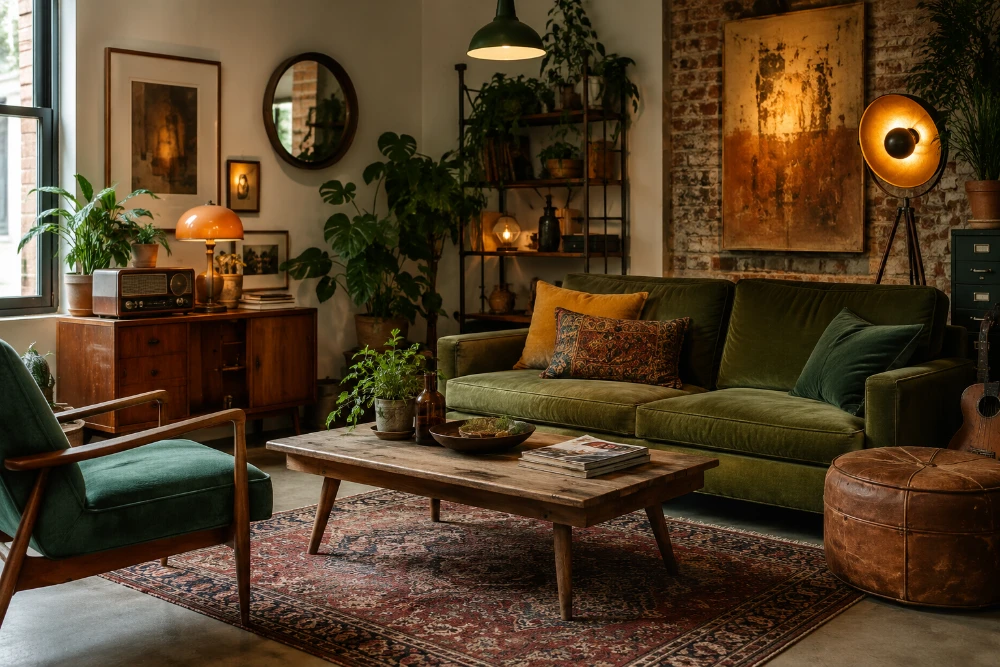
Vintage-inspired interiors feel layered and lived in. They avoid the flat, showroom look that often comes from buying everything at once. Older design references add texture, warmth, and visual memory.
The appeal is growing. A 2024 Chairish resale report found that 70% of designers and consumers planned to buy more vintage furnishings because of quality, uniqueness, and sustainability concerns. Source: https://www.chairish.com/pages/chairish-resale-report
Vintage decor also supports slower decorating. People build rooms gradually instead of replacing everything every season.
Start With One Era, Not Ten
The strongest vintage-inspired homes usually begin with one clear reference point. Mid-century modern, 1970s earth tones, industrial loft design, cottage interiors, and art deco all have different visual rules.
Mixing periods can work, but the room still needs structure. Choose one dominant era and let smaller accents support it.
Lighting often helps establish the mood first. For example, vintage neon signs can add retro atmosphere to creative studios, games rooms, bars, or music corners when balanced with softer textures and older materials.
Use Texture Instead of Too Much Colour
Vintage-inspired spaces feel richer because they layer materials carefully. Wood grain, aged brass, velvet, linen, rattan, ceramic, smoked glass, and worn leather all create depth.
Too many bright colours can make the room feel themed instead of natural. Focus on texture first. Then add colour through smaller pieces such as cushions, art, books, or lampshades.
Good vintage palettes often include:
- Olive green
- Rust
- Cream
- Tobacco brown
- Mustard
- Dusty blue
- Charcoal
- Warm wood tones
Muted colours age better than trend-heavy palettes.
Combine Old and New Furniture
A creative home should not feel like a museum. Mixing vintage-inspired pieces with modern furniture usually works better than fully matching sets.
Use newer pieces for comfort and function. Add older-style furniture for character. A modern sofa can work beside a reclaimed coffee table. Contemporary shelving can sit under a vintage mirror or framed print.
Scale matters. Oversized vintage furniture can overwhelm smaller rooms. Measure carefully before buying.
Build Display Areas With Meaning
Vintage interiors often include visible collections. The key is editing. A shelf should tell a story, not hold random clutter.
Group objects by material, era, or colour. Use books, ceramics, records, framed photos, cameras, glassware, or travel finds to build small visual zones.
Printed memories also work well in these spaces. Many homeowners use services such as Mixbook to create coffee-table books filled with travel images, family archives, renovation photos, or creative projects that fit naturally into vintage-style interiors.
Choose Lighting Carefully
Lighting changes how vintage decor feels at night. Warm light supports wood, brass, textured fabric, and darker colours much better than cool white bulbs.
Use layered lighting instead of relying only on ceiling fixtures. Table lamps, wall sconces, floor lamps, and low accent lighting create a softer atmosphere.
Exposed bulbs can work in industrial spaces, but they should not create glare. Frosted bulbs or shaded fixtures usually feel more comfortable in living areas.
Let Imperfections Stay Visible
Creative homes feel more believable when everything is not perfect. Small scratches, uneven patina, faded wood, and repaired furniture often add character instead of reducing value.
Do not over-restore every item. Some wear helps the room feel relaxed and authentic.
This also supports sustainability. Repairing, repainting, refinishing, and reusing furniture reduces waste and extends product life.
Add Vintage References Through Fabric
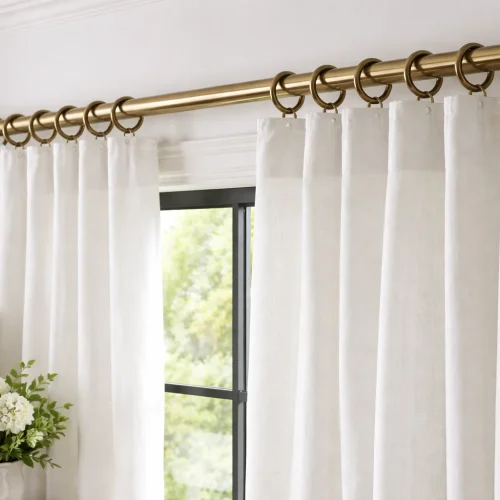
Fabric changes the room quickly. Curtains, rugs, cushions, throws, and upholstery can shift the mood without major renovation.
Vintage-inspired homes often use heavier textures such as woven cotton, velvet, boucle, wool, or linen blends. Patterns should be controlled carefully. Too many competing prints can make the room feel visually crowded.
One patterned rug or statement chair is usually enough.
Use Art to Anchor the Style
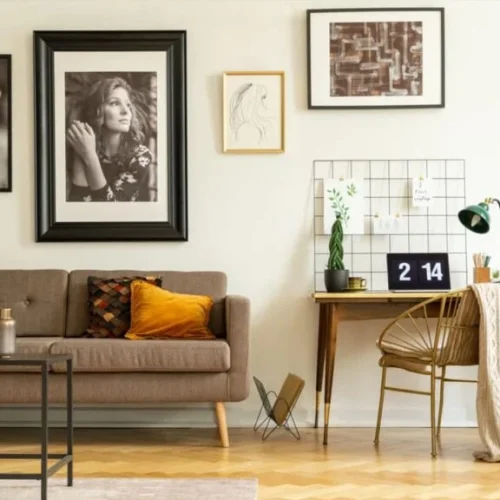
Wall art helps explain the room’s personality. Vintage film posters, abstract prints, travel advertisements, botanical drawings, black-and-white photography, and old maps all work well.
Frames matter too. Thin black frames create a cleaner modern mix. Wood or brass frames feel warmer and more traditional.
Gallery walls should have spacing consistency. Random placement often looks messy instead of creative.
Avoid Turning the Home Into a Theme Set
The biggest mistake in vintage decor is overcommitting to nostalgia. Too many retro items can make the home feel staged rather than lived in.
Keep modern conveniences visible where needed. Comfortable seating, practical storage, updated kitchens, and good lighting still matter.
The goal is balance. Vintage-inspired homes work best when they feel collected over time.
Conclusion
Vintage-inspired decor adds warmth, texture, and personality to creative homes. It supports slower design choices, sustainable reuse, and more meaningful interiors.
The best spaces mix old references with practical modern living. They feel layered, comfortable, and personal without becoming visually heavy or overly styled.
FAQs
Start with one or two key pieces such as a vintage-inspired chair, mirror, or lamp. Build around those items gradually instead of redesigning the entire room at once.
Muted and earthy tones usually work best. Olive green, rust, cream, mustard, dusty blue, and warm wood colours help create a softer and more timeless atmosphere.
Yes. Mixing modern and vintage-inspired furniture often creates a more balanced and comfortable space than using only retro pieces.
Edit carefully and avoid overcrowding shelves or walls. Group similar objects together and leave open space so the room can breathe visually.
Not necessarily. Many people mix secondhand finds, restored furniture, and affordable modern pieces to create character without overspending.
Warm lighting usually complements vintage decor better than cool white lighting. Table lamps, wall sconces, and layered lighting create a softer and more inviting mood.
Not always. Minor wear, faded finishes, and natural patina often add authenticity and charm to vintage-inspired spaces.
Textured fabrics such as velvet, linen, boucle, wool, and woven cotton help create warmth and depth without making the room feel overly formal.
Yes. Smaller vintage accents like mirrors, lighting, rugs, or side tables can add personality without overwhelming compact spaces.
Overdecorating is the most common issue. Too many retro items can make the home feel staged instead of comfortable and naturally lived in.