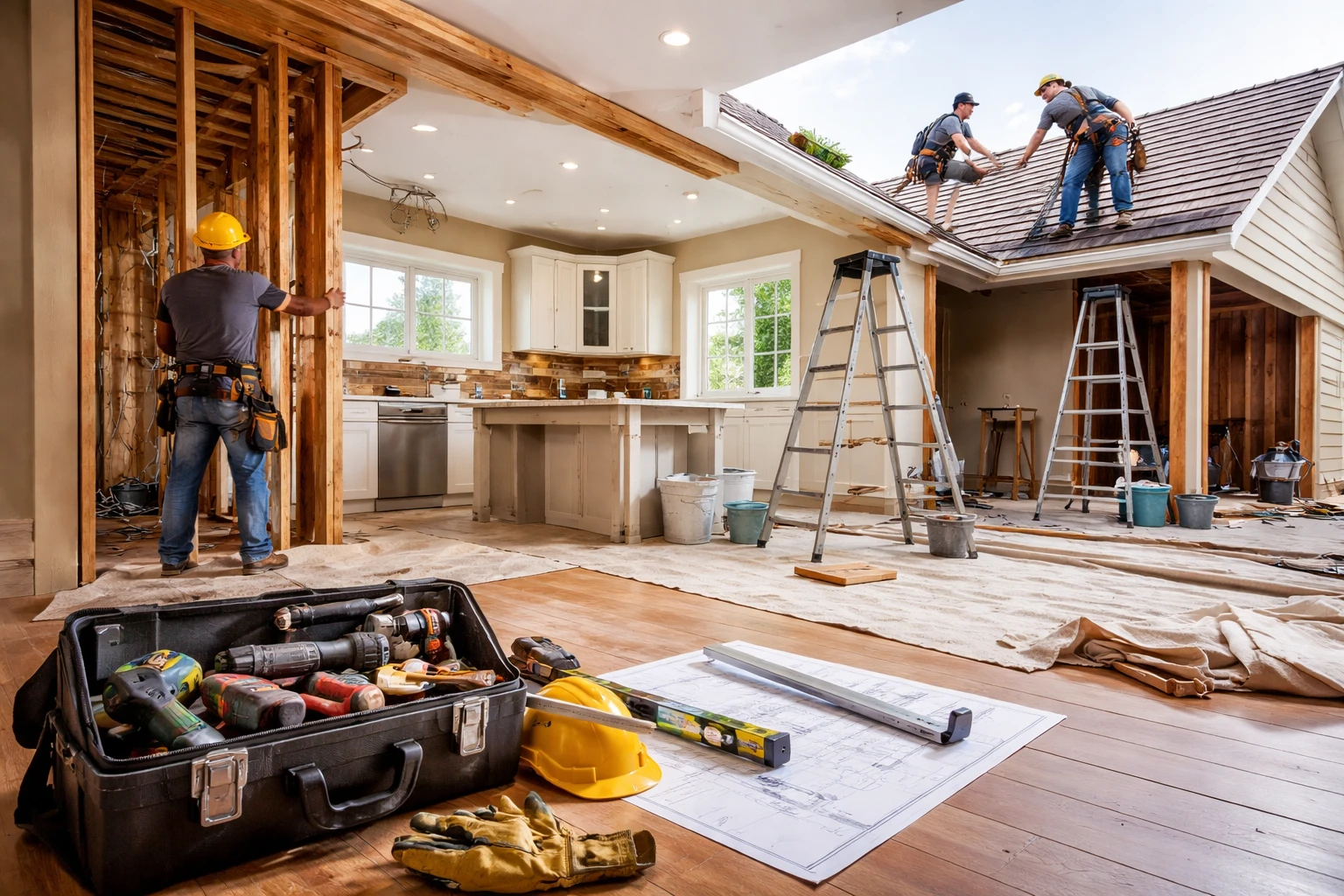
Major home updates can be exciting, but they can also feel overwhelming without a clear plan. A successful renovation starts with understanding what to tackle first, what can wait, and how each decision affects the next step. The right order protects your budget, keeps your timeline realistic, and reduces disruptions along the way. Before you choose paint colors or fixtures, make sure you have a solid framework for prioritizing safety, durability, and long-term value. With the right sequence, you will avoid common pitfalls, minimize rework, and end up with a home that functions as beautifully as it looks.
Start with Safety and Structural Integrity
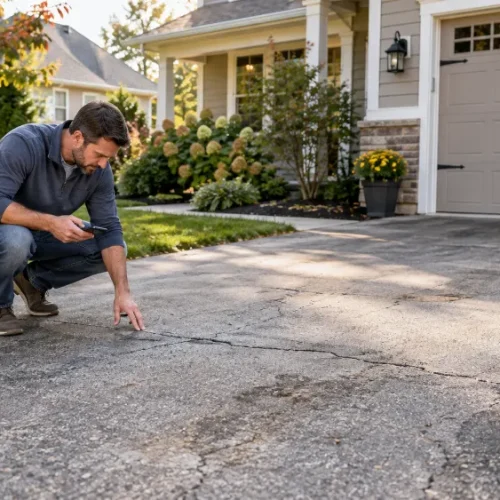
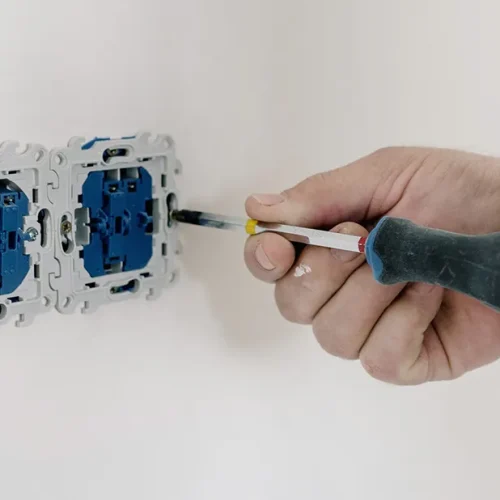
Safety is always the top priority. Address any issues that may compromise the structure or create hazards before moving on to aesthetic improvements. This includes foundation cracks, sagging floors, termite or moisture damage, leaning walls, and failing supports. If your home has known structural concerns, bring in a qualified professional to assess the scope and recommend a plan. The same applies to antiquated electrical systems that present shock or fire risks, and to plumbing problems that could cause leaks or water intrusion. Fixing the bones of the house first sets a dependable base for everything else. It also prevents the painful scenario of opening up newly finished spaces to correct hidden problems you could have handled at the start.
Protect the Building Envelope
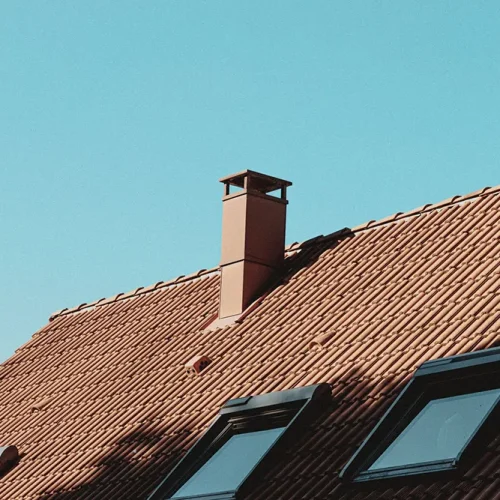
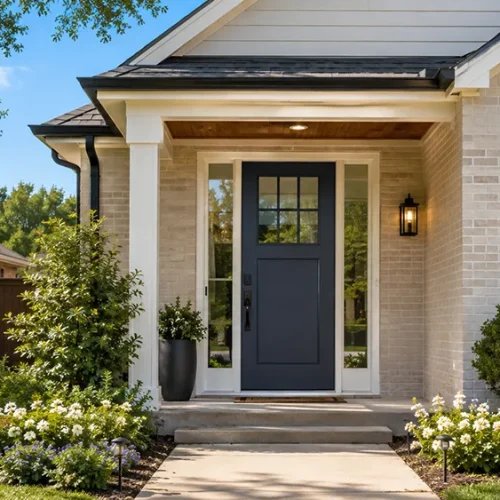
After safety and structure, focus on keeping the outside out and the inside in. The building envelope includes the roof, gutters, siding, windows, doors, and insulation. A tight, weather resistant envelope lowers energy costs, prevents water damage, and preserves the rest of your investment. If your roof is at the end of its life or you are seeing signs of leaks, consider roofing replacement before interior work. Pair that with properly sized gutters and downspouts to direct water away from the foundation. Evaluate windows and doors for drafts and failed seals, and add insulation where it delivers the best return, such as the attic and rim joists. When the envelope is sound, every other dollar you spend inside goes further and lasts longer.
Tackle Systems Before Surfaces
Mechanical systems touch nearly every room, so you will save time and money by updating them before you close walls and install finishes. If your HVAC system is undersized, inefficient, or nearing the end of its lifespan, plan upgrades early. The same goes for plumbing supply lines, drains, and venting that are outdated or prone to corrosion. Electrical service and panel capacity should match your planned load, especially if you are adding high demand appliances, a workshop, or electric vehicle charging. Rough in new lines and verify placements for outlets, lighting, and switches prior to drywall or plaster work. By handling systems up front, you prevent costly tear outs and keep the project flowing without unnecessary setbacks.
Sequence for Efficiency and Permits
Good sequencing reduces downtime and rework. Exterior projects often come first, followed by interior rough work, then insulation, drywall, flooring, cabinetry, and final fixtures. Map the order of operations room by room, accounting for lead times on materials and specialty trades. Many updates require permits and inspections, and these checkpoints can affect scheduling. Build in time for approvals and coordinate inspections to align with milestones like framing, rough mechanicals, and final finishes. Clear communication with contractors helps keep crews from overlapping in ways that slow progress. With a realistic sequence and a small cushion for surprises, your project is more likely to finish on time and within budget.
Budget, Contingency, and Value
A thoughtful budget does more than add up line items. Start with a clear scope, then reserve a contingency for unknowns, typically ten to fifteen percent depending on the age and condition of the home. Prioritize spending where it delivers durability, safety, and daily comfort. Energy efficiency upgrades can pay dividends through lower utility bills, while layout improvements can make everyday living easier. Be selective with trends and focus on quality for items that are expensive or disruptive to replace, such as flooring, tile, and built ins. If you are renovating to sell, align choices with your market and invest in areas buyers value most. If you are renovating to stay, align choices with how you live now and how your needs may change in the future.
Conclusion
A major home update succeeds when it follows a smart order. Address safety and structural needs first, secure the building envelope, update mechanical systems before surfaces, and plan a realistic sequence that respects permits and timelines. Pair that with a disciplined budget and a contingency for surprises, and you will reduce stress while protecting your investment. With priorities in place, each decision builds on the last, and your finished home will be more comfortable, efficient, and ready for many years of use.
FAQs
Start with safety and structural integrity, including foundation, roofing, electrical, and plumbing issues.
Because hidden issues can damage new finishes later, leading to costly rework and delays.
It includes the roof, windows, doors, siding, and insulation protecting your home from weather and improving energy efficiency.
Yes, handling systems first prevents tearing into finished walls and ensures everything works efficiently.
Permits and inspections can impact timelines, so planning for them early avoids delays and compliance issues.
Typically: exterior repairs → structural fixes → mechanical systems → insulation → drywall → finishes.
Set aside 10–15% of your total budget to cover unexpected issues.
Yes, they reduce long-term utility costs and increase overall home value.
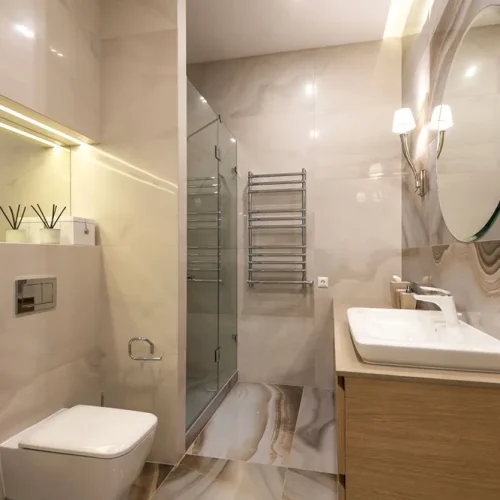
Focus on high-return areas like kitchens, bathrooms, and curb appeal that attract buyers.
Plan a clear sequence, coordinate contractors, and allow buffer time for materials and inspections.