Windows are a crucial aspect of any home, offering not just basic functionality, but also aesthetic appeal and insulation capabilities. However, over time, your windows might require some attention or even a new window glazing to maintain their efficiency and charm. Recognizing the signs that your home may need new window glazing early can save you both money and hassle in the long run. In this article, we will explore several common indicators that suggest it might be time to consider this upgrade.
Increased Energy Bills
One of the first clues that your window glazing might be failing is a noticeable spike in your energy bills. Windows play a significant role in your home’s insulation, and when they’re not functioning properly, they can let warm air escape in the winter and allow hot air in during the summer. This can result in your heating and cooling systems working overtime, driving up utility costs. To check if your glazing might be contributing, see if you notice drafts near windows or fluctuating internal temperatures.
Condensation Between Panes
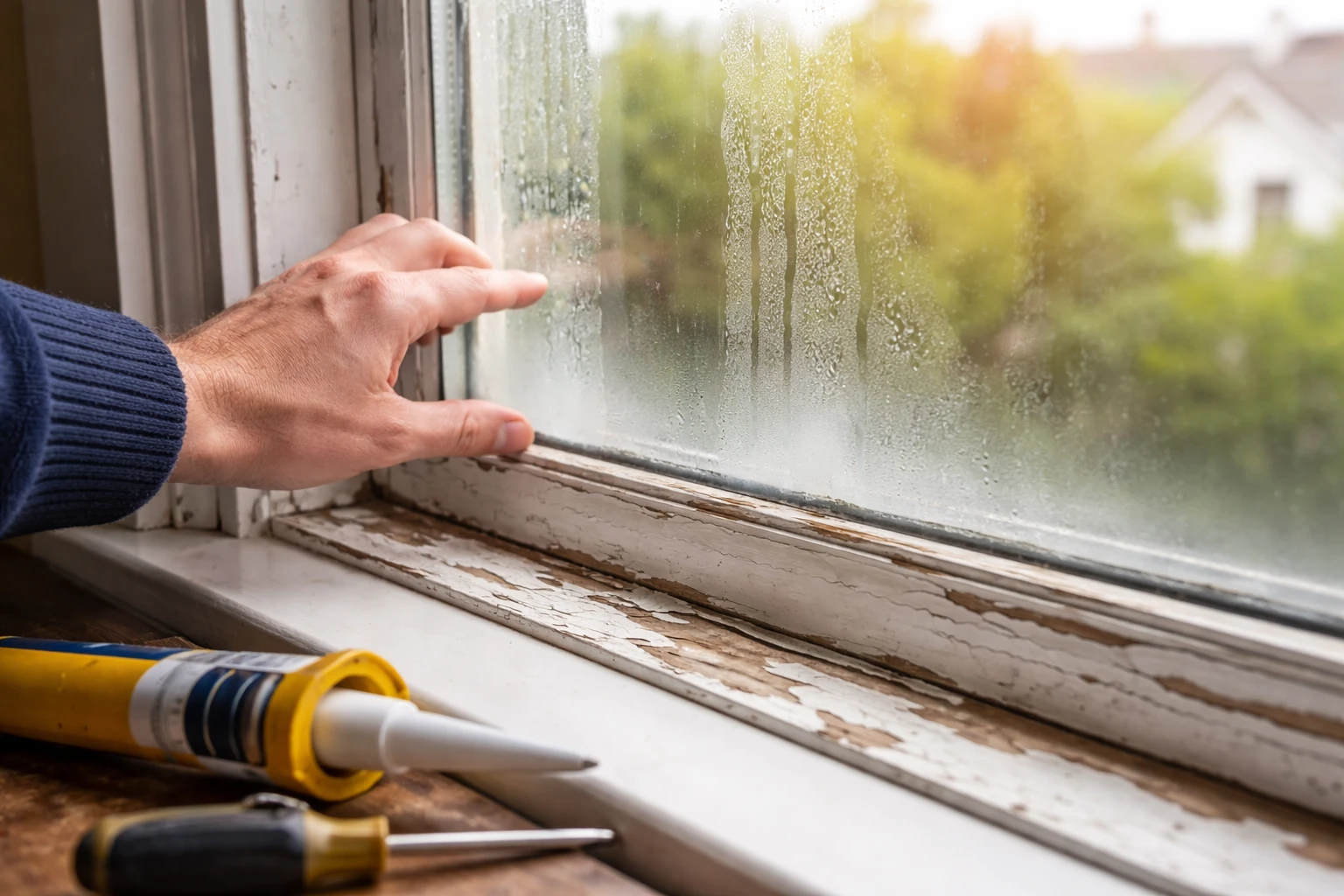
Another telling sign of compromised window glazing is the presence of condensation between the panes of glass. Normally, double or triple-glazed windows should be sealed tightly to prevent moisture from entering. If you start noticing fogginess or moisture build-up, it is likely an indication that the seal is broken. Over time, this can lead to more severe problems, including mould growth or further deterioration of the window frame and glazing.
Difficulty in Opening or Closing Windows
Windows should open and close smoothly, providing effortless access to ventilation when needed. If you find yourself struggling to operate your windows or notice they are sticking or jamming, these could be signs of underlying issues. Warped frames or compromised glazing could cause these issues, often compounded by exposure to varying weather conditions over the years. Addressing the root cause sooner rather than later can prevent additional wear on your window structure.
Visible Damage or Deterioration
Visible cracks, chips, or general wear and tear can suggest that your window glazing needs replacement. Not only does this affect the window’s effectiveness at providing insulation, but it can also diminish your home’s curb appeal. Observing physical damage early on is crucial; if left untreated, minor damages can quickly escalate into more extensive and costly repairs. Regular inspections, particularly after storms or severe weather events, are recommended to keep an eye on the condition of your window glazing.
Increased Noise Levels
Good-quality glazing provides soundproofing benefits, keeping external noise from disrupting the tranquillity of your home. If you notice more outdoor noise infiltrating your living spaces, this could suggest that your window glazing is no longer performing its intended role effectively. Factors such as age, damage, or substandard installation can all contribute to reduced sound insulation. Investing in new window glazing can restore peace and quiet, enhancing your home’s comfort level.
Addressing window glazing issues is vital for maintaining both the efficiency and aesthetic value of your home. By understanding the signs and acting swiftly, you can prevent additional costs and extend the lifespan of your windows. Keep these indicators in mind and conduct regular evaluations to ensure your home remains comfortable, secure, and energy efficient.
FAQs
Window glazing refers to the glass panels in a window and the method used to secure and seal them within the frame to provide insulation and protection.
Common signs include rising energy bills, condensation between panes, drafts near windows, visible cracks, or increased outside noise.
Yes. Damaged or poorly sealed glazing allows heat to escape or enter your home, forcing heating and cooling systems to work harder.
Condensation usually means the seal between the panes has failed, allowing moisture to enter the insulated glass unit.
Not always. In many cases, only the glass or glazing unit can be replaced while keeping the existing window frame.
Yes. High-quality glazing, especially double or triple glazing, can significantly reduce the amount of outside noise entering your home.
Yes. Warped frames or deteriorating glazing can make windows harder to open or close smoothly.
Most window glazing systems last between 15 and 25 years, depending on installation quality, materials, and weather exposure.
Yes. Even small cracks can expand over time and reduce insulation performance, potentially leading to more costly repairs.
It is recommended to check your windows at least once a year or after severe weather to identify early signs of glazing damage.