When you think about home comfort, it’s easy to focus on what’s happening inside your walls. Furniture, lighting, and décor usually get the most attention. But the exterior of your home plays a much bigger role in how comfortable, protected, and enjoyable your space feels than many homeowners realize. The outside of your home is the first line of defense against weather, temperature changes, and everyday wear.
Exterior upgrades don’t just change how your house looks from the street. They help regulate indoor temperatures, reduce ongoing maintenance, and protect the structure over time. A well-maintained exterior can make your home feel more stable, quieter, and easier to live in day after day. Curb appeal matters too. When your home looks well cared for, it creates a sense of pride and comfort that goes beyond appearances. Thoughtful exterior improvements combine visual appeal with practical benefits, making them some of the smartest upgrades you can make.
How the Right Exterior Improvements Enhance Comfort and Appearance
Your home’s exterior materials directly affect how it feels inside. Old or worn surfaces can allow drafts, moisture, and heat to sneak in, making your home harder to keep comfortable. Over time, faded or damaged exterior materials can also make a home look tired, even if the inside is well-maintained.
If you’re looking for an upgrade that improves insulation, protects against weather, and refreshes your home’s appearance at the same time, exploring professional siding Installation services can help you choose durable materials and clean designs that enhance both comfort and curb appeal without constant upkeep. Modern siding solutions are designed to hold up against the elements while giving your home a more cohesive, updated look. Exterior improvements like this work quietly in the background. Once they’re in place, you feel the benefits every day without having to think about them.
How Exterior Materials Influence Indoor Comfort
The materials that cover your home have a direct impact on indoor comfort. Exterior surfaces help regulate airflow and temperature, acting as a barrier between your living space and the outdoors. When those materials are outdated or damaged, your home may struggle to stay cool in the summer or warm in the winter.
Improved exterior materials help stabilize indoor temperatures, reducing the need for constant adjustments. This creates a more consistent environment throughout the day and night. Comfort improves not because you’ve added something flashy, but because your home works more efficiently as a whole. When the exterior is doing its job well, the inside feels calmer and more balanced.
Boosting Curb Appeal Without Overdoing It
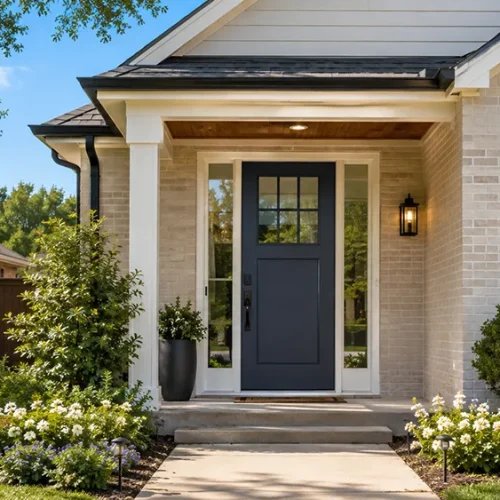
Curb appeal doesn’t have to mean dramatic changes or bold designs. Often, the most effective exterior upgrades are the ones that feel subtle and cohesive. Clean lines, consistent textures, and well-chosen colors can completely change how a home is perceived without making it feel trendy or overdone.
Simple updates can make your home look more polished and welcoming. When everything works together visually, the exterior feels intentional rather than patched together. This kind of curb appeal tends to last longer because it’s based on balance, not trends. A home that looks cared for feels more comfortable to live in and more inviting to come home to.
Protection From Weather and Everyday Wear
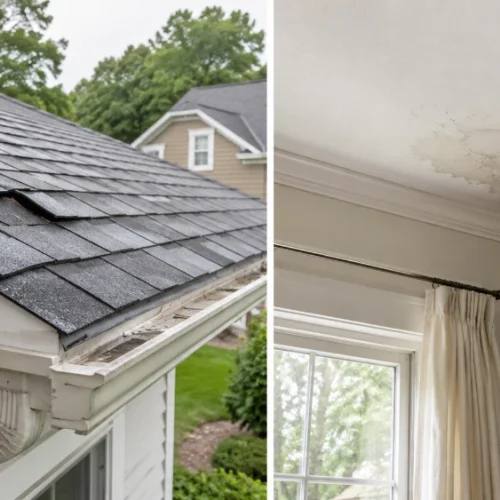
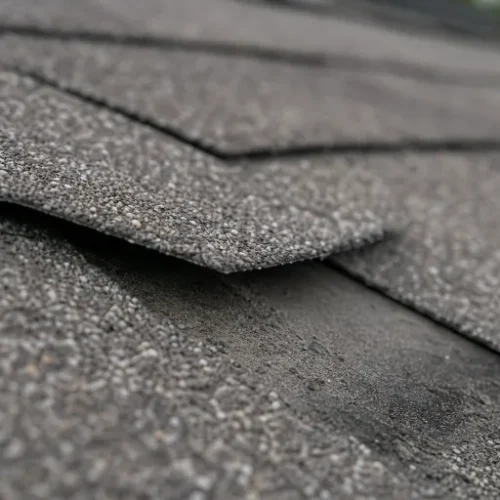
Your home’s exterior takes on constant exposure to sun, wind, rain, and temperature changes. Over time, this wear can affect both appearance and performance. Cracks, fading, and moisture intrusion are not just cosmetic issues. They can lead to discomfort and long-term damage.
Exterior upgrades help protect your home from these daily stressors. Durable materials are designed to resist weather exposure, helping maintain both structure and comfort. This protection reduces the risk of unexpected repairs and keeps your home feeling secure through changing seasons. When your exterior is built to handle the elements, your home becomes more dependable year after year.
Low-Maintenance Exterior Upgrades That Save Time
Maintenance demands can quietly drain your time and energy as a homeowner. Exterior materials that require frequent painting, sealing, or repair can become frustrating over time. Low-maintenance upgrades are especially valuable because they reduce these ongoing demands.
Modern exterior solutions are designed to resist fading, cracking, and moisture damage. This means fewer repairs, less cleaning, and more time to enjoy your home. Reducing maintenance doesn’t mean lowering quality. It often means choosing materials that are built to last. When your exterior requires less attention, homeownership feels simpler and less stressful.
How Exterior Updates Support Long-Term Home Value
Exterior condition plays a big role in how a home is valued, both emotionally and practically. A home that looks solid and well-maintained sends a clear message of care and quality. Even if you’re not planning to sell, these upgrades support long-term value by reducing future repair needs.
Quality exterior improvements tend to age better than cosmetic updates. They provide lasting benefits that continue to support comfort and performance over time. Instead of chasing short-term trends, focusing on durability helps your home remain attractive and functional for years. Long-term value isn’t just about resale. It’s about confidence in your home.
Planning Exterior Improvements With Everyday Living in Mind
The best exterior upgrades are planned around how you actually live. Climate, location, and daily routines all matter when choosing materials and designs. An exterior that fits your lifestyle feels more natural and easier to maintain.
Planning helps you prioritize function before appearance. When improvements are chosen with long-term comfort in mind, they support daily living instead of creating new challenges. Thoughtful planning also reduces disruption, allowing upgrades to fit smoothly into your life. A well-planned exterior feels like a natural extension of your home, not a constant project.
Common Mistakes to Avoid With Exterior Home Upgrades
One common mistake homeowners make is focusing only on how something looks without considering how it performs. Exterior upgrades should always balance appearance with protection and durability. Cutting corners on materials or installation can lead to higher costs later.
Another mistake is choosing designs that don’t suit the home’s structure or environment. Exterior improvements work best when they complement the home rather than compete with it. Taking the time to make informed decisions helps avoid regret and unnecessary repairs. Smart choices now prevent frustration down the road.
Conclusion
Exterior home upgrades do far more than improve how your house looks from the street. They play a key role in comfort, protection, and long-term ease of living. When chosen thoughtfully, these improvements help regulate indoor conditions, reduce maintenance, and create a home that feels solid and welcoming.
Comfort and curb appeal aren’t separate goals. They work together, starting with the surfaces that protect and define your home. By investing in the exterior with long-term living in mind, you create a space that supports daily comfort and lasting confidence for years to come.
FAQs
They create a stronger barrier against heat, cold, drafts, and moisture, helping maintain more consistent indoor temperatures.
Siding, roofing, windows, doors, and exterior paint tend to make the most noticeable visual difference.
Yes, better insulation and weather-resistant materials reduce heat loss and gain, which can lower heating and cooling expenses.
They often save time and money long term by reducing the need for frequent repairs, painting, or sealing.
Quality siding helps regulate airflow and temperature while protecting against moisture and weather damage.
Yes, they protect the structure, reduce future repair needs, and maintain the home’s overall condition.
Climate determines how materials perform over time, making it important to choose options suited to local weather conditions.
Certain materials improve sound insulation, helping reduce noise from traffic, wind, or nearby activity.
Focusing only on appearance without considering durability, performance, and proper installation.
By prioritizing comfort, protection, maintenance needs, and long-term living rather than short-term trends.