A home’s foundation does more than support walls and floors; it protects your entire living space from shifting soil, moisture intrusion, and structural stress. At the center of that protection is the basement. When basements are neglected, small problems like excess moisture, cracks, or pest activity can quietly weaken the foundation over time. The good news is that with the right basement protection strategies, homeowners can prevent costly repairs and significantly extend the life of their foundation.
This guide explores practical, preventive steps that help keep basements dry, secure, and structurally sound, strengthening your home from the ground up.
Why Basement Protection Is Essential for Foundation Stability
Basements serve as a buffer between your home and the surrounding soil. When water seeps in or pressure builds around foundation walls, cracks and shifting can occur. Over time, these issues compromise the foundation’s stability and lead to uneven floors, wall separation, or basement flooding.
Many homeowners overlook early warning signs like musty odors, hairline cracks, or damp corners. Unfortunately, these minor issues often signal deeper foundation stress. Proper basement protection focuses on prevention, addressing moisture, sealing vulnerabilities, and reducing external pressure before major damage occurs.
Identifying Common Basement Threats That Compromise Foundations
Several hidden threats can slowly weaken a basement and foundation:
- Poor drainage: Clogged or damaged drainage systems allow water to pool near foundation walls.
- Hydrostatic pressure: Saturated soil pushes against foundation walls, increasing the risk of cracks.
- Foundation cracks: Even small fractures allow moisture and pests to enter.
- Pest activity: Rodents and insects exploit damp environments and existing gaps, worsening damage.
Recognizing these risks early allows homeowners to take action before repairs become extensive and expensive.
Managing Moisture to Protect Your Basement and Foundation
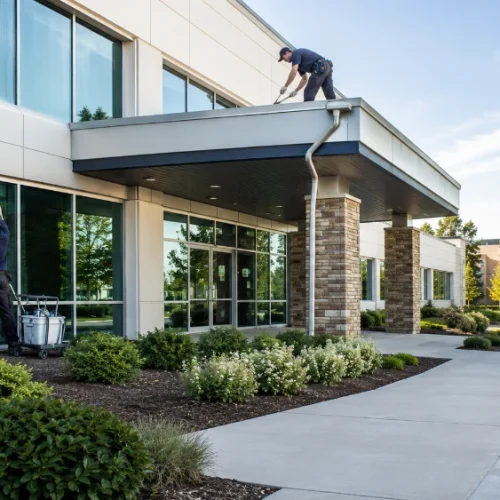
Moisture is one of the most destructive forces affecting basement health. Persistent dampness weakens concrete, promotes mold growth, and creates ideal conditions for pests. Effective moisture management starts outside the home with proper grading, clean gutters, and functioning downspouts that direct water away from the foundation.
Internally, maintaining foundation drainage systems is just as critical. Over time, debris, soil, and mineral buildup can clog weeping tiles, reducing their ability to carry water away. Scheduling weeping tile jetting services from North Rock Consulting helps restore proper drainage by clearing blockages and improving water flow around the foundation.
By keeping basements dry year-round, homeowners significantly reduce pressure on foundation walls and lower the risk of long-term structural damage.
Sealing and Reinforcing Basement Entry Points
Once moisture is controlled, sealing vulnerable areas is the next line of defense. Small cracks in foundation walls or gaps around windows and utility lines may seem harmless, but they allow water infiltration and worsen over time.
Key areas to reinforce include:
- Foundation wall cracks and floor joints
- Window wells and basement windows
- Utility pipe and cable entry points
- Sump pit covers and seams
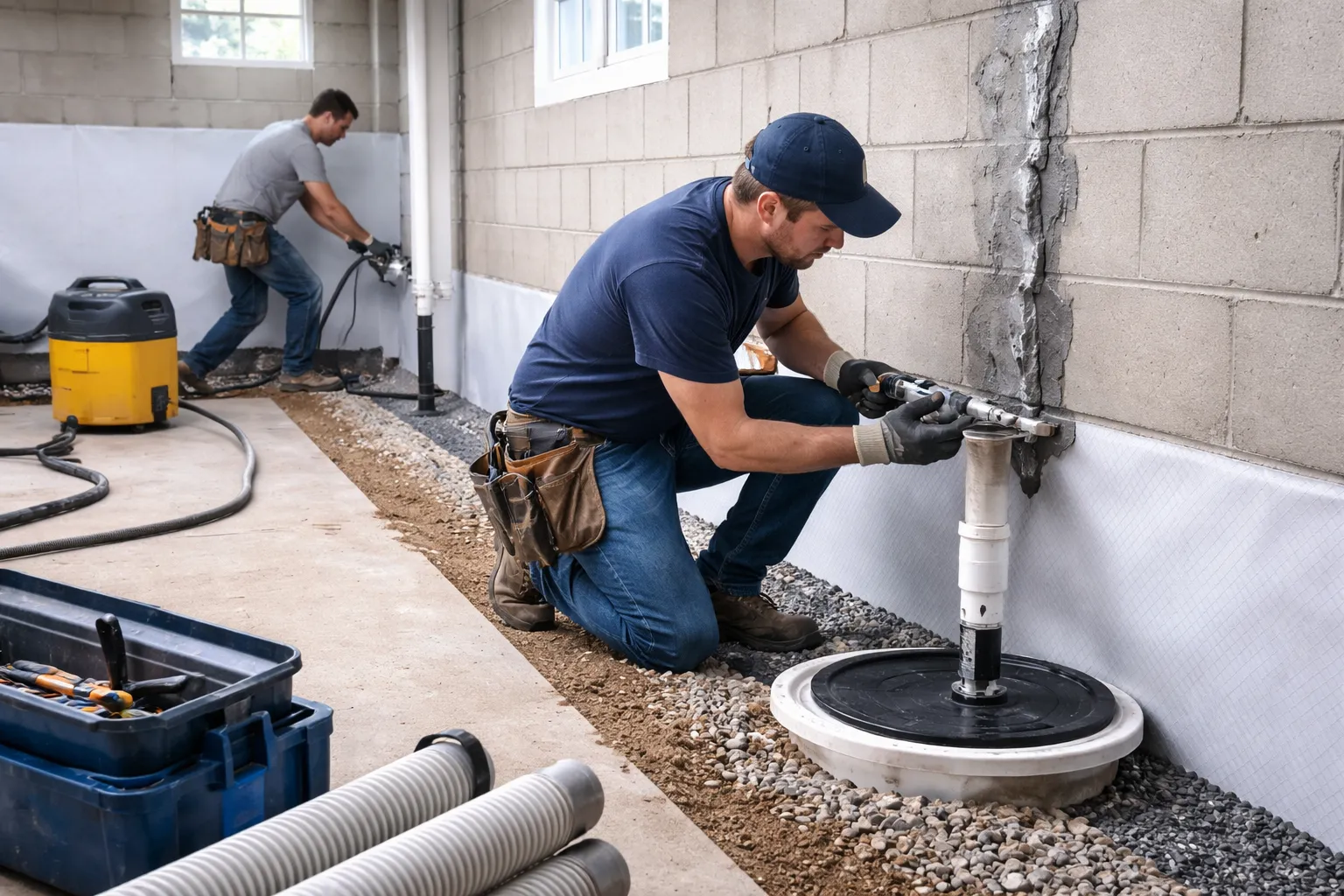
Professional sealing and waterproofing solutions help prevent water intrusion while strengthening weak points in the foundation structure. Addressing these areas early reduces future repair costs and improves overall basement durability.
The Role of Pest Prevention in Basement and Foundation Health
Pest prevention is often overlooked in basement protection plans, yet it plays a major role in foundation health. Damp basements attract rodents, insects, and other pests that exploit cracks and gaps in foundation walls. Once inside, pests can expand existing damage by burrowing, nesting, or chewing through materials.
Partnering with professionals like A1 Pest Solutions exterminator winnipeg ensures that pest activity is addressed at the source. Effective exterminator services eliminate infestations while identifying entry points that compromise the basement and foundation.
When pest control is combined with moisture management and sealing, homeowners reduce the likelihood of recurring infestations and prevent additional structural stress.
Why a Combined Protection Approach Delivers Long-Term Results
No single solution fully protects a basement or foundation. True protection comes from a layered approach that addresses moisture, structural vulnerabilities, and pest prevention together. Dry basements discourage pests, sealed foundations prevent water intrusion, and clear drainage systems reduce soil pressure.
This comprehensive strategy not only prevents damage but also saves money over time. Proactive maintenance is far more cost-effective than emergency foundation repairs or major basement restoration projects.
When to Call Professionals for Basement Protection
While minor maintenance tasks can be handled by homeowners, certain warning signs require professional attention. These include persistent basement moisture, recurring pest issues, visible foundation cracks, or signs of shifting walls and floors.
Professional inspections provide a clear picture of basement and foundation health and help homeowners create a long-term maintenance plan. Experts can recommend targeted solutions such as drainage cleaning, pest control, or structural sealing, and experienced teams from Xpert Foundation Repair can identify underlying structural concerns before they develop into costly foundation issues.
Strengthening Your Home From the Ground Up
Basement protection is a critical investment in your home’s safety, stability, and value. By managing moisture, sealing entry points, addressing pest activity, and working with experienced professionals, homeowners can prevent small issues from becoming serious foundation problems.
A proactive approach to basement care not only strengthens your foundation but also creates a healthier, more secure living environment for years to come. Protecting your home truly starts below the surface.
FAQs
Basement protection prevents moisture buildup, soil pressure, and structural stress that can weaken foundation walls over time.
Musty odors, damp corners, hairline cracks, and uneven floors often signal moisture or pressure issues affecting the foundation.
When drainage systems fail, water accumulates near foundation walls, increasing hydrostatic pressure and the risk of cracks or shifting.
Yes, persistent moisture weakens concrete, promotes mold, and accelerates structural deterioration if left unaddressed.
Sealing prevents water and pests from entering small openings that can expand and compromise the foundation over time.
Pests exploit damp environments and existing gaps, often worsening cracks and weakening surrounding materials.
Professional help is recommended for ongoing moisture issues, visible foundation cracks, recurring pests, or signs of structural movement.