Milestone gatherings feel special when every decision reflects a clear purpose. Intimacy is not only about guest count. It is created by thoughtful scale, warm pacing, and details that tell a personal story without distracting from real connection. The goal is to guide guests through a series of welcoming moments that feel both effortless and carefully considered. With a few disciplined design principles, you can shape celebrations that are refined, human, and memorable.
Define the Intent and the Right Scale
Begin by writing a single sentence that captures why the event exists. Maybe you are honoring a rite of passage, marking a reunion, or celebrating a quiet personal achievement. This statement becomes your filter for every design choice. If a decision does not support the intent, set it aside. Next, choose a scale that matches the purpose. A garden dinner for twenty can feel expansive if the intention is reflection, while a ballroom can feel intimate if zones are designed thoughtfully.
Edit the guest list with intention. Cluster people who share history so conversation ignites easily. If the event includes a ceremony, identify two or three moments you want everyone to experience together. Everything else can remain simple. Intimacy often appears when you let the important moments breathe and allow space for connection before, during, and after them.
Curate a Cohesive Visual Language
A cohesive visual language communicates mood before a word is spoken. Select a short palette anchored in one or two tones drawn from the story you want to tell. Add texture with natural fibers, subtle pattern, and layered lighting rather than with many competing colors. Keep typography consistent across invitations, menus, and signage so the paper suite feels like part of the same conversation.
Use meaningful references sparingly. A line from a favorite song on the program or a small emblem on place cards can say more than a theme repeated everywhere. Place one strong focal element near the entrance or the head table, then let the rest of the room support it. When choices are edited, guests notice people first and design second, which is the point.
Design the Guest Journey from Arrival to Farewell
Plan how guests move and how energy rises and settles across the event. Start with a warm welcome at the threshold. A greeting drink, a gentle musical backdrop, and a host visible near the door reduce early friction. Provide simple, legible signs that show where to hang a coat, find a seat, or leave a card. Keep pathways wide enough for easy circulation and wheelchair access.
Sequence the evening in chapters. Arrival is calm and conversational. A short program or toast gathers attention and delivers meaning without dragging. Dinner should feel unhurried, with service that is coordinated but not theatrical. Finish with a moment of collective joy, such as a dessert parade or a brief singalong, then ease into a gentle farewell. When the flow is predictable and humane, guests feel cared for.
Build the Team That Protects Your Intent
Even the best concept frays without good execution. Assign clear roles among family, friends, and vendors so no task is owned by nobody. Share your one sentence purpose and a small mood board with every partner so decisions align. If the celebration grows complex, consider partnering with a social event planner who can translate your vision into timelines, floor plans, and vendor coordination while you stay present with your guests. The right partner helps you maintain focus on what matters most, from the first impression to the last light switched off.
Give vendors practical constraints that support intimacy. Cap sound levels for dinner, set lighting cues that warm the room as evening falls, and agree on a plan to reuse floral pieces between ceremony and reception zones. These guardrails keep execution tidy and on message.
Orchestrate Sound, Light, and Timing
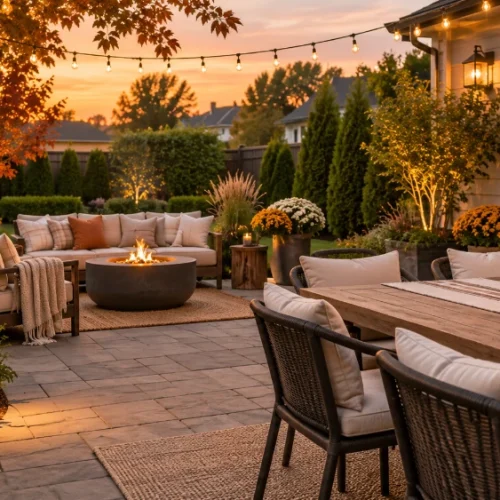
Atmosphere lives in the senses. Layer lighting so faces are warm and spaces feel dimensional. Use candlelight at tables, soft washes on walls, and focused accents on a feature arrangement or cake. Avoid harsh overheads that flatten the room. Sound should be present but never compete with conversation. Choose smaller ensembles or curated playlists that match each chapter of the evening, and place speakers so volume is even across the room.
Create a realistic timeline that respects human rhythms. Serve a small bite within the first ten minutes of arrival. Keep speeches brief and grouped together so service is not interrupted repeatedly. Build in a few quiet intervals where people can talk without activity. End on a cue that feels deliberate, such as a final toast or a favorite song, rather than allowing the night to drift.
Elevate Touchpoints with Comfort and Care
Intention shows in small comforts. Provide water stations near the dance floor and a soft-seating corner for older guests. Stock restrooms with simple amenity baskets. If the event includes outdoor elements, plan for shade, heaters, or light blankets based on season. Choose menus that consider dietary needs without creating separate experiences for half the room. A concise card that explains the dish or a pairing note can add a sense of thoughtfulness.
Personal touchpoints complete the arc. Handwritten place cards, a brief welcome from the host, and a keepsake that feels useful after the celebration carry meaning forward. The keepsake does not need to be elaborate. A small jar of local honey with a line from the toast or a postcard with artwork from the invitation can create a lasting connection to the moment.
Conclusion
Intimate and intentional celebrations emerge when purpose leads design. A coherent visual language, a guest journey that honors attention and energy, and a team that protects your intent will shape a gathering that feels both refined and human. By editing choices, layering sensorial details, and planning for comfort, you invite real connection while keeping the experience beautifully composed. The result is an event that guests remember not only for how it looked, but for how gracefully it brought people together.
FAQs
Thoughtful zoning, controlled sound levels, and shared moments like toasts or ceremonies help large gatherings feel personal.
Write one simple sentence that captures the purpose, and use it to guide every design and planning decision.
There is no fixed number intimacy depends more on layout, flow, and connection than on size alone.
Stick to a limited color palette, consistent typography, and a few meaningful details rather than repeating a theme everywhere.
A well-planned flow reduces confusion, keeps energy balanced, and ensures guests feel comfortable from arrival to departure.
Offer a warm greeting, a simple drink, and clear directions at the entrance to ease guests into the space.
Layered lighting like candles and soft ambient light adds warmth and depth, making spaces feel inviting and personal.
Use lower-volume music, evenly placed speakers, and avoid overpowering sound during key moments like dinner.
Handwritten place cards, comfort stations, and thoughtful favors create a lasting impression of care and intention.
Not always, but a planner can help manage logistics and ensure your vision stays consistent throughout the event.