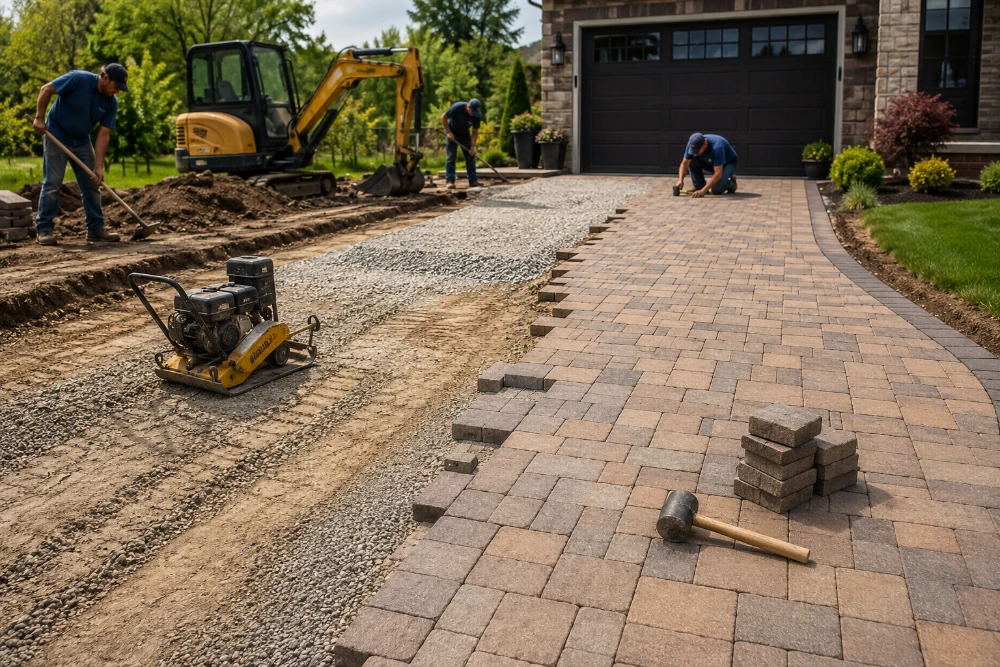
Most homeowners think about the finished driveway first. The clean lines. The upgraded curb appeal. The front of the house suddenly looks more polished without changing anything else. What people do not always expect is how much preparation and coordination happen before the first paver is even placed.
A professionally installed paver driveway is not just about appearance. The long-term durability depends heavily on what happens underneath the surface, often in stages most homeowners never see. That process can feel surprisingly involved. In a good way.
1. First Visits Feel More Like Planning
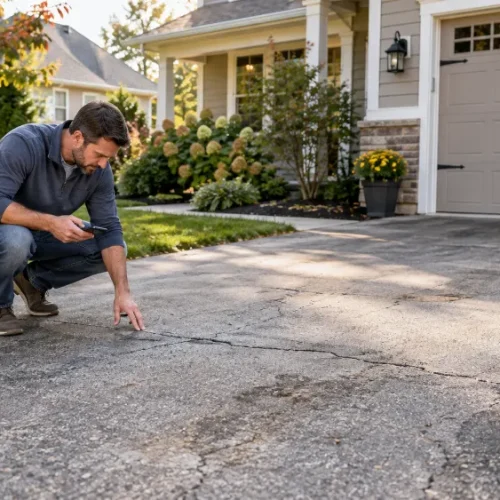
One thing that surprises people during the initial consultation is how technical the conversation becomes. A contractor is not just measuring square footage. They are usually assessing drainage patterns, soil conditions, vehicle load requirements, slope issues, and how the driveway connects to existing landscaping or walkways.
This is often where homeowners begin realizing why professionally installed driveway pavers involve more than choosing a color or pattern from a catalog. Design choices matter, but structural preparation matters even more.
Companies like Viking Pavers frequently discuss the importance of evaluating grading and water flow early because even attractive installations can develop shifting or drainage problems if the groundwork is rushed.
That first walkthrough often answers practical questions people had not considered yet, including where water will move during storms and how installation equipment will access the property.
2. Demolition Day Is Usually the Loudest Part
The actual installation process often begins with demolition, especially if an older concrete or asphalt driveway already exists.
This stage can look chaotic for a short period. Heavy equipment arrives. Existing surfaces are broken apart and hauled away. Dust, noise, and large material piles temporarily replace the tidy front yard homeowners are hoping for.
It is not glamorous. Still, experienced crews usually move through this stage quickly because delays here affect everything that follows. Most homeowners are surprised by how fast old material disappears once work begins.
There is also a practical reason demolition matters so much. Contractors need a clean, stable base before building the new driveway system properly. Installing pavers over compromised surfaces almost always creates problems later.
3. The Base Preparation Is the Real Foundation
This is probably the most important stage of the entire project, even though it is the least visually exciting. After excavation, crews begin building the foundational base layers that support the driveway long term. That usually includes compacted aggregate materials carefully leveled and compressed in stages.
Homeowners sometimes underestimate how deep the excavation actually goes. A proper paver driveway requires room for multiple structural layers beneath the visible surface.
The process often includes:
- Excavating existing soil
- Installing compacted crushed stone
- Creating a proper slope for drainage
- Compacting the base repeatedly
- Adding bedding sand before paver placement
This phase can take time because rushing compaction increases the risk of future settling. Experienced installers tend to obsess over grading details here for good reason. If the foundation shifts later, the surface shifts with it.
4. Drainage Matters More Than Expected
Many homeowners start thinking about drainage only after they have already experienced pooling water problems somewhere around the property.
Professional installers think about it immediately. Driveway paver systems need controlled water movement to prevent erosion, shifting, and long-term instability. That often means subtle grading adjustments most people would never notice visually, but that dramatically affect performance during heavy rain.
Some properties require additional drainage solutions depending on slope, surrounding landscaping, or existing runoff patterns.
This part of the process tends to separate experienced contractors from rushed installations. The driveway should not simply look level. It needs to function correctly under changing weather conditions over time. A properly installed paver driveway quietly manages water without drawing attention to itself. That is usually the goal.
5. Paver Installation Moves Fast
Once the groundwork is complete, the visible transformation happens surprisingly quickly. This is the stage homeowners usually imagine when they think about paver installation. Crews begin laying individual pavers according to the selected pattern, carefully aligning spacing, edges, and transitions as the design takes shape.
At this point, the driveway finally starts looking like a finished project instead of a construction zone. The pace often feels dramatic because days of excavation and preparation suddenly lead to visible progress. A skilled crew can install large sections efficiently while still maintaining consistent alignment and pattern accuracy.
Homeowners also begin noticing small design details they may not have thought much about earlier, including border contrasts, texture variation, and how lighting changes the appearance of the surface throughout the day. Those details matter more once the driveway physically exists in the space.
6. Edge Restraints Make a Big Difference
After the pavers are placed, the project is still not finished. Edge restraints are typically installed around the perimeter to help keep the paver system locked in place over time. Joint sand is then spread between the pavers and compacted repeatedly to stabilize the surface.
This step looks simple from a distance, but plays a major structural role. Without proper edge support and joint stabilization, pavers can gradually shift with traffic, weather, or seasonal ground movement. The final compaction stage helps lock everything together into a unified surface rather than a collection of individual stones.
Some homeowners are surprised by how much detail work happens near the end of the project. Crews often spend significant time refining edges, checking spacing consistency, and cleaning the finished surface thoroughly before considering the installation complete.
Conclusion
A professional driveway paver installation involves much more than laying stone across a prepared surface. The visible design is only one part of a much larger process built around grading, drainage, structural preparation, and long-term durability.
For homeowners, the experience often feels eye-opening once work begins. There are noisy days. Messy stages. Moments where the project briefly looks worse before it suddenly starts coming together all at once. Then, eventually, the finished driveway settles into the property so naturally that it feels like it should have always looked that way. That transformation is usually what people remember most.