LGC develops outdoor projects not only as deck construction, but also as the creation of complete living spaces around the home. An important part of its work includes patio covers, porch pavilions, backyard gazebos, enclosed and semi-enclosed areas, as well as combined solutions where decking, roofing, transitions, and platforms are assembled into one integrated system. For a homeowner, this means not just another structure on the property, but a comfortable place that can be used more often and for a longer part of the year.
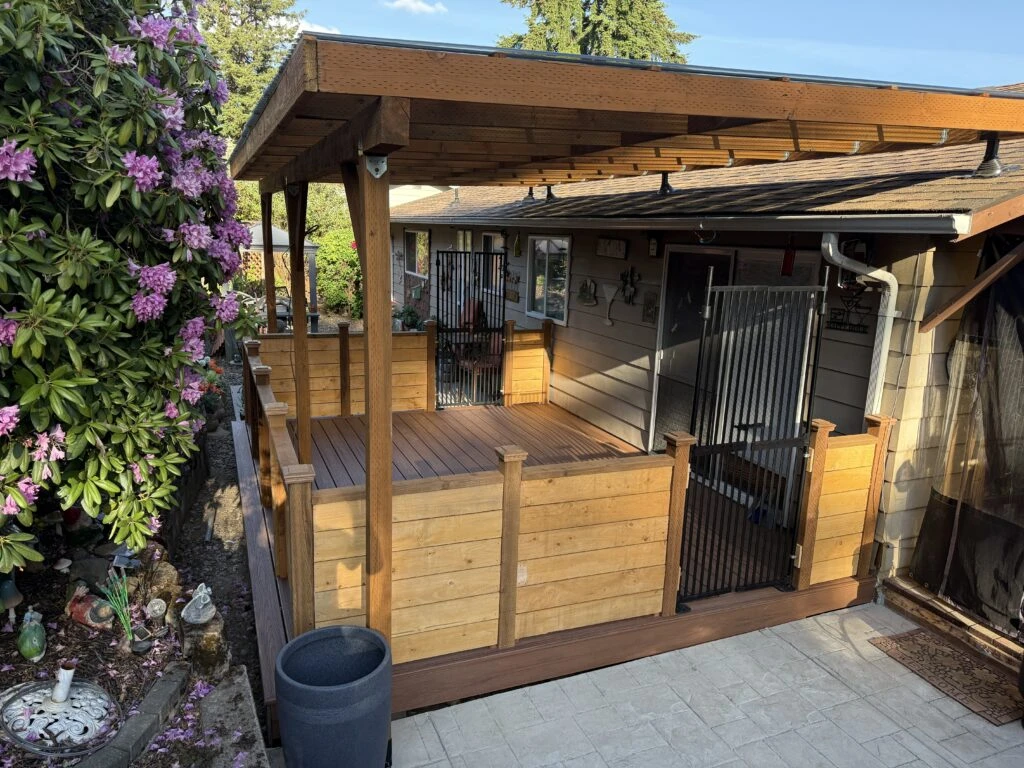
That is why LGC https://lgcremodeling.com/ places emphasis on projects that protect from sun, rain, and seasonal dampness while still maintaining a connection to the yard and the architecture of the home. In Vancouver, Portland, and nearby areas, this approach is especially relevant: here, outdoor space must not only look attractive, but also remain truly usable for everyday life in the local climate. The company works with custom designs, offers a free estimate, and builds the process around clear communication, careful integration with the house, and long-term reliability.
Why protected outdoor areas have become an important part of LGC’s services
In a region with frequent rainfall, an open platform without protection does not always function the way a family expects. On the LGC website, it is clearly shown that a cover, pavilion, or gazebo is not intended for decorative effect alone, but for expanding the useful living space around the house. A covered patio protects from sun, rain, and seasonal weather, a porch pavilion makes the front, side, or back area of the house more comfortable, and a gazebo creates a separate covered zone for rest, conversation, or quiet time on the property.
The company presents these solutions as a logical continuation of outdoor architecture. If a deck is responsible for convenient access from the house and connection to the yard, then covers and roofed structures help make this space more stable in everyday use. Because of this, the property stops depending only on good weather and starts functioning as a full part of daily life.
What solutions LGC offers for protected outdoor space around the home
- Patio covers.
- Porch pavilions for the front, side, or back of the house.
- Backyard gazebos as separate covered outdoor areas.
- Deck with patio solutions for connecting the upper and lower levels of the property.
- Enclosed patios and other more protected forms of outdoor living space.
- Connected solutions with stairs, transitions, and decking.
This range of services shows that the company works not with one narrow category, but with different formats of open and semi-open outdoor areas. For one home, a covered patio attached to the facade may work best. For another, a pavilion near the entrance or deeper in the yard may be the better option. On larger properties, a freestanding gazebo can become a natural center of relaxation, while on more complex terrain, a deck with patio arrangement may be more practical, where the upper and lower parts of the yard are combined into one project.
How LGC designs these structures
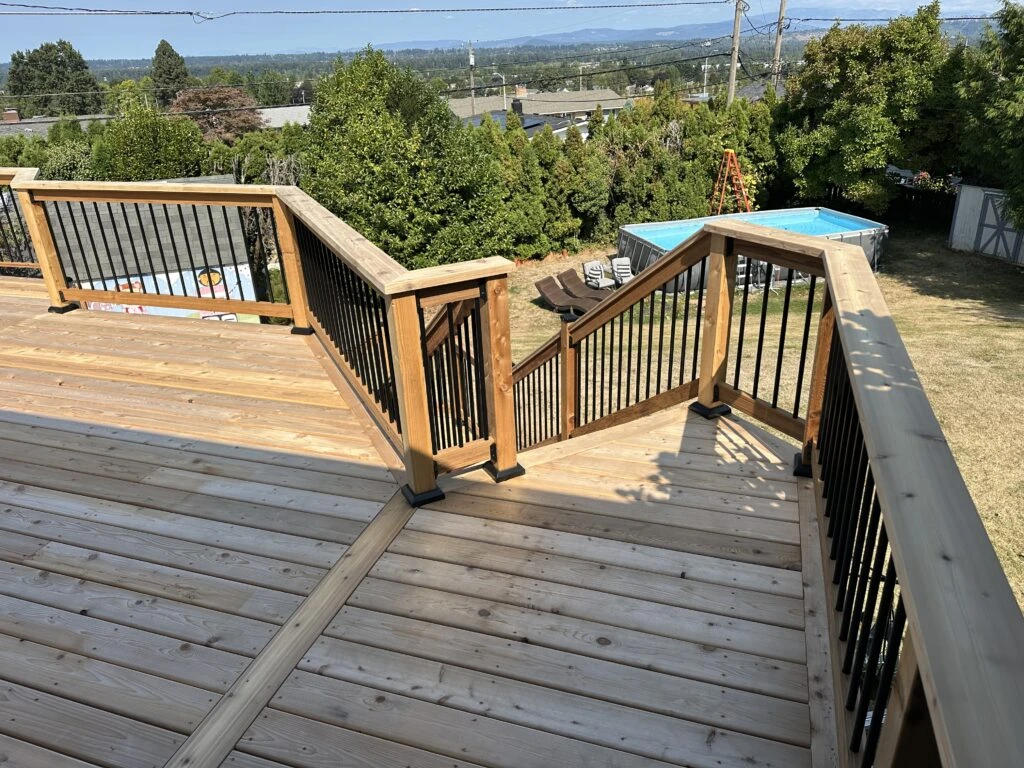
In the case of a covered patio, the company begins with evaluating the size of the space, the layout, roof slope, water drainage, structural connection points, and the level of finish. The website directly states that proper planning affects durability and the quality of the final result. This process is especially important where the cover is attached to the house and must look like a natural part of the building rather than a temporary addition.
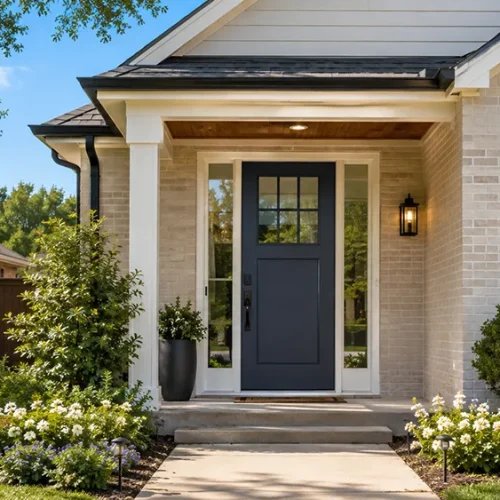
LGC also builds porch pavilions not from pre-made kits, but as custom designs for a specific property. The company separately highlights its experience in integrating pavilions with existing homes, its attention to proportions, structure, and finish, as well as realistic timelines and clear communication with the homeowner. This helps avoid the feeling of a foreign-looking add-on and creates a space that is connected to the home’s architecture and comfortable for everyday use.
In backyard gazebo projects, the company places emphasis on proper site selection, foundation, compatibility with soil conditions, a stable frame, and materials suited to the local climate. The website directly contrasts custom builds with prefab kits: a custom solution makes it possible to choose the size, shape, and structural design to fit the property, rather than forcing the yard to adapt to a pre-made kit.
What is taken into account when planning a protected outdoor space
- The size and layout of the area.
- The roof shape and slope.
- Water drainage and moisture control.
- The way the structure connects to the house or yard.
- Materials and level of finish.
- Transitions, stairs, steps, and landings between levels.
- The intended use of the space: relaxing, gathering, dining, or creating a quiet corner of the property.
This is where LGC’s style is especially clear. The company does not describe an outdoor area as an abstract covered square footage. It ties the project to real daily life: morning coffee near the house, an outdoor dining area, a place for gatherings, a protected part of the yard, or a calm space away from the main movement. When that use scenario is planned in advance, the structure turns out to be more comfortable and more logical in everyday use.
Why structural performance matters to LGC as much as appearance
On the patio covers page, the company directly says that covered patios should feel permanent, balanced, and structurally sound, rather than like temporary additions. In deck with patio projects, the focus is placed on solid deck framing, proper connections to the house, and hardscape that manages water away from the foundation. In gazebo projects, proper foundation design and resistance to wind and snow loads are highlighted separately. Across all of these areas, the same principle appears again: the outdoor space must withstand the climate, not just create a good first impression.
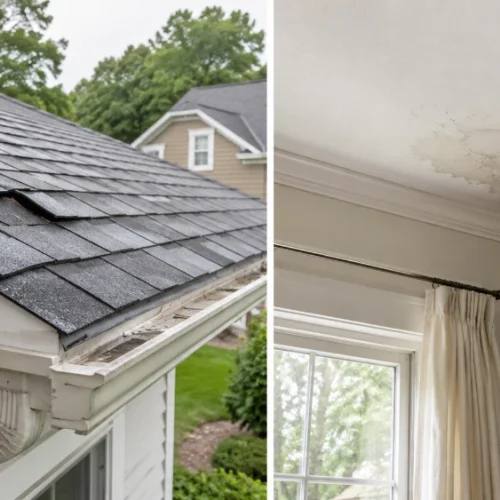
For Oregon and Washington, this is especially important. Moisture, rain, and seasonal changes quickly reveal the quality of assembly. If water drainage, connection points, or base stability are ignored, even a neat-looking structure will begin to perform worse than expected. That is why LGC consistently connects comfort, durability, and safety with proper design before installation even begins.
Where this format is especially appropriate
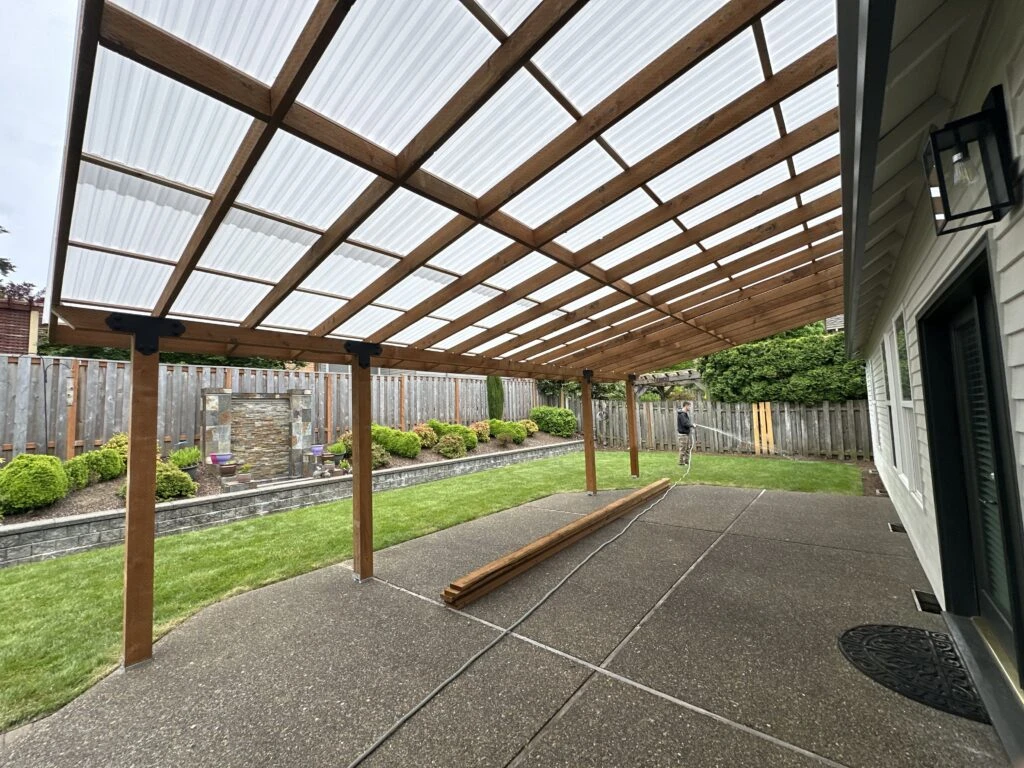
The company handles these projects in Vancouver, Portland, Ridgefield, Battleground, Amboy, Gresham, Happy Valley, Lake Oswego, Beaverton, Tualatin, as well as in other nearby areas and coastal zones of Oregon and Washington. This means that LGC works both in dense urban neighborhoods and on properties where there is more room for a separate gazebo, pavilion, or multi-level system with a lower patio.
Different types of locations require different solutions. In one case, a covered structure must be carefully integrated into an existing facade. In another, the slope of the property can be used to create a connection between an upper deck and a lower relaxation area. In a third, the goal may be to create a separate focal point in the yard. Thanks to its broad service range, the company can choose the right format not from a template, but according to the real layout of the home and property.
What LGC’s approach delivers in practice
The strength of LGC in this area is that the company transforms an ordinary yard or patio into a more functional and protected space without losing its connection to the open air. It works with the roof, the base, transitions, materials, and the visual connection to the home as parts of one task. Because of this, the homeowner gets not a random addition, but a space that is comfortable to use on ordinary days, in light rain, in hot sun, and during the off-season.
If a home needs not just a new outdoor structure, but a thoughtfully designed area for relaxation and everyday use, LGC offers a wide range of solutions and a clear work format. With the company, it is possible to discuss a cover, pavilion, gazebo, or combined outdoor space, receive an estimate, and move forward with a project that will be comfortable, durable, and appropriate for that specific home.