Extreme temperatures can make it difficult to maintain a comfortable and energy-efficient home. During the hottest months of the year, cooling systems often run for hours without a break, while colder weather can place equal stress on heating equipment. Located along Florida’s Gulf Coast, New Port Richey regularly experiences heat indexes that climb well above the actual air temperature during summer afternoons.
Keeping indoor temperatures stable requires more than lowering the thermostat. A home’s insulation, ventilation, and maintenance habits all affect how efficiently the system operates. Small problems, such as clogged filters or air leaks, can force equipment to work harder than necessary. Over time, that added strain increases energy bills and shortens the lifespan of major components.
How Extreme Temperatures Put Stress on Your HVAC System
Extreme weather places constant pressure on HVAC systems that work to keep indoor temperatures comfortable. During heat waves, air conditioners often run through longer cooling cycles because high outdoor temperatures make it harder for the system to release heat efficiently. As the workload increases, important components such as compressors, motors, and electrical parts experience additional strain. Cold weather can create similar challenges because heating equipment must work harder to maintain steady indoor warmth. HVAC systems with restricted airflow or aging components usually struggle the most under these demanding conditions.
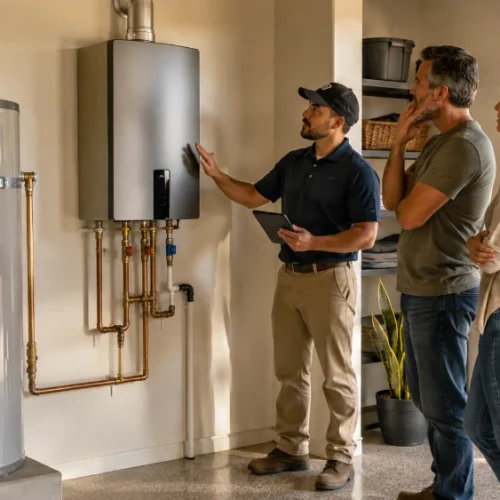
Many homeowners fail to notice small warning signs until system performance begins to decline. Weak airflow, uneven cooling, and rising utility bills often suggest that the air conditioning system is working harder than it should. This added stress can reduce efficiency and increase the risk of unexpected breakdowns during periods of extreme heat. In New Port Richey AC repair service companies have experienced professionals who can identify performance issues early, restore system efficiency, and help homeowners maintain reliable indoor comfort during extreme temperatures.
Understanding Thermal Envelopes and Home Insulation
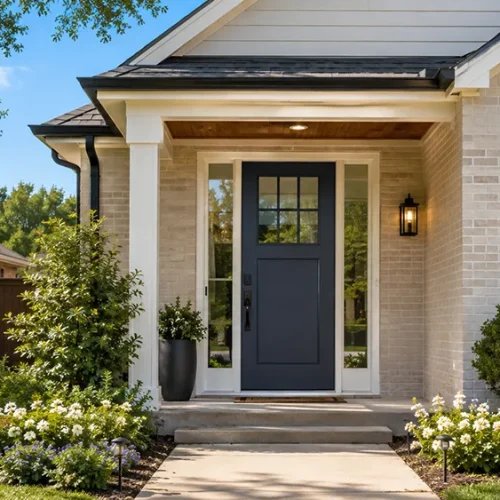
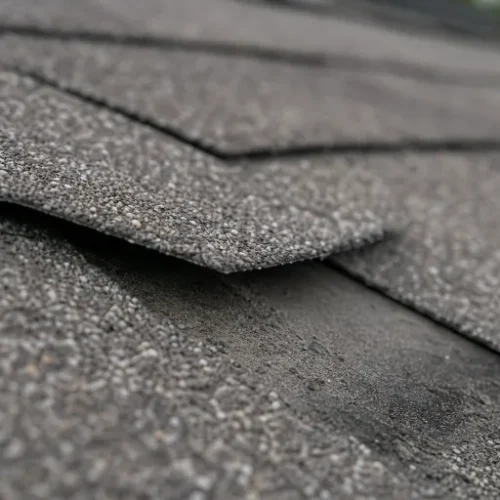
A home’s thermal envelope plays a major role in indoor comfort during extreme temperatures. The thermal envelope includes insulation, roofing materials, windows, doors, and sealed openings that separate indoor air from outdoor conditions. When this barrier functions properly, it slows heat transfer and helps maintain stable indoor temperatures. Poor insulation and unsealed gaps allow indoor air to escape, causing HVAC systems to work longer and use more energy to maintain comfortable temperatures.
Attics, crawl spaces, and window frames are common areas where homeowners lose energy efficiency. Even small cracks around doors or vents can allow warm outdoor air to enter the home during the summer months. Upgrading insulation and sealing leaks can significantly reduce cooling costs while improving indoor comfort. Modern weatherproofing materials also help maintain balanced temperatures between rooms. By strengthening the thermal envelope, homeowners reduce strain on their HVAC systems and create a more energy-efficient living environment.
HVAC Maintenance Essentials: Filters, Coils, and Refrigerant Levels
Routine HVAC maintenance helps systems perform efficiently during periods of extreme weather. Air filters play an important role because they trap dust, debris, and allergens before they circulate through the home. When filters become clogged, airflow decreases, and the system must work harder to maintain the desired temperature. Replacing filters regularly improves efficiency and supports healthier indoor air quality, especially during seasons when HVAC systems operate more frequently.
Coils and refrigerant levels also affect overall performance. Dirty evaporator and condenser coils reduce the system’s ability to transfer heat effectively, which can lead to longer cooling cycles and higher energy usage. Low refrigerant levels create additional problems because they limit cooling capacity and may cause coils to freeze. Professional inspections help detect these issues early and keep systems operating at peak performance. Consistent maintenance not only improves comfort but also extends the lifespan of HVAC equipment.
Why Humidity Control Matters as Much as Temperature
Humidity has a direct effect on indoor comfort, especially in warm climates where moisture levels stay high for much of the year. Even when the thermostat shows a comfortable temperature, excess humidity can make rooms feel warmer and heavier. High indoor moisture also encourages mold growth and creates conditions that affect air quality. Managing humidity properly helps homeowners maintain a healthier and more comfortable indoor environment.
Air conditioners remove some moisture during operation, but additional solutions are sometimes necessary. Dehumidifiers can improve comfort by reducing excess moisture in the air without overcooling the home. Proper ventilation in kitchens, bathrooms, and laundry areas also helps control humidity levels. When indoor moisture stays balanced, HVAC systems operate more efficiently, and homeowners experience more consistent comfort throughout the house.
Passive Cooling and Heating Techniques That Reduce HVAC Strain
Passive cooling and heating methods help maintain indoor comfort without placing extra demand on HVAC systems. Ceiling fans improve air circulation and help rooms feel cooler during warmer months. Blackout curtains and reflective window films reduce heat gain by limiting direct sunlight inside the home. These simple upgrades can make a noticeable difference in indoor temperatures while lowering energy consumption.
Sealing air leaks around windows, doors, and ductwork also improves temperature control. During summer, small openings allow hot outdoor air to enter conditioned spaces, which forces cooling systems to work harder. In colder months, those same gaps allow warm indoor air to escape. Homeowners who combine passive techniques with regular maintenance often see lower utility costs and more balanced temperatures throughout the year.
Building a More Comfortable and Efficient Home
Maintaining indoor comfort during extreme temperatures requires a combination of smart habits and reliable home systems. Regular HVAC maintenance, proper insulation, and balanced humidity levels all contribute to a healthier and more energy-efficient living space. Small improvements such as sealing air leaks or upgrading thermostat settings can also reduce strain on heating and cooling equipment throughout the year.
A well-regulated home supports more than daily comfort. It can lower energy costs, improve indoor air quality, and protect the long-term value of the property. Homeowners who address maintenance issues early often avoid costly emergency repairs during peak weather conditions. By taking proactive steps, families can create a more stable and comfortable environment regardless of outdoor temperatures.