Your bedroom says a lot about how you live. Some rooms feel calm the second you walk in. Others feel cramped, noisy, or unfinished even when they look expensive. That usually happens when the space is designed around trends instead of comfort. A good bedroom should help you relax at night and make mornings less frustrating. It should fit your habits, your routine, and the way you actually use the room every day.
You don’t need a massive remodel to create a bedroom that feels polished and comfortable. A few smart updates can completely change the atmosphere.
Let’s talk about some bedroom design ideas that can help you create a space that actually feels good to live in.
Choose a Mattress That Truly Fits You
A mattress shouldn’t just fit your bed frame. It should fit your body, your sleeping position, and the way you rest at night. Plenty of people buy mattresses based on price or popularity, then spend years waking up sore, restless, or overheated because the mattress never suited them in the first place.
Back sleepers often need firmer support to keep the spine aligned. Some people sleep hot and need breathable materials that stay cooler throughout the night. Others want a softer surface that feels cushioned without sinking too much.
This is why experts such as Custom Comfort Mattress focus on personalized comfort instead of pushing one standard model for everyone. Side sleepers usually need pressure relief around the shoulders and hips. They also offer handcrafted double-sided mattresses designed for long-term support and durability.
When the mattress fits properly, people often wake up with less stiffness, fewer interruptions during the night, and better overall sleep quality.
Pick Colors That Create the Right Atmosphere
Bedroom colors affect the entire mood of the room. Bright reds or harsh neon shades can feel overwhelming when you’re trying to relax at night. Softer colors usually create a calmer environment and make the room feel more inviting.
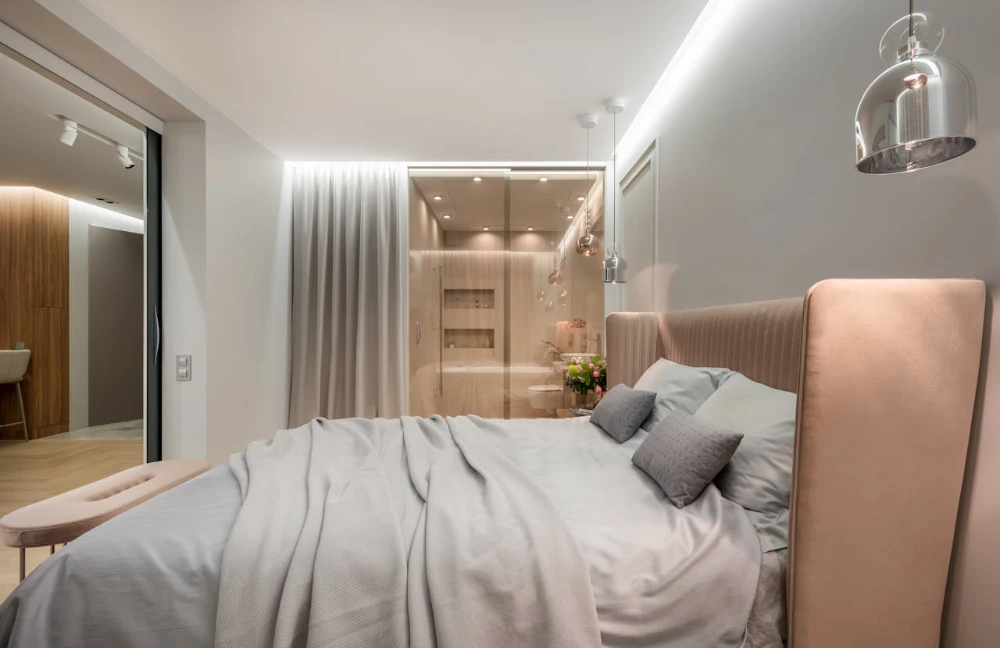
Neutral shades remain popular because they work with almost any design style. Warm beige, soft gray, creamy white, and muted earth tones create a clean look without making the room feel cold. Darker colors can work beautifully, too, when balanced properly. If the walls are dark, lighter furniture and bedding can keep the room from feeling heavy.
Paint also changes depending on the lighting. A color that looks soft during the day might appear dull or yellow at night. Testing samples before painting the entire room saves time and prevents expensive mistakes.
Layer Your Lighting Properly
One ceiling light in the middle of the room usually isn’t enough. Bedrooms need lighting that works for different parts of the day. Bright overhead lighting may help while cleaning or organizing, but it can feel harsh at night when you’re trying to unwind.
Layered lighting creates a more comfortable setup. Bedside lamps provide softer light for reading or relaxing before bed. Wall sconces free up nightstand space and add a cleaner look. Floor lamps can brighten darker corners without making the room feel overly bright.
Warm lighting tends to feel more relaxing than cool white bulbs. It creates a softer atmosphere that helps the room feel calmer during the evening.
Natural light matters just as much during the daytime. Large windows, lighter curtains, and strategically placed mirrors can help sunlight spread through the room more evenly. That makes the space feel more open and less boxed in during the day.
Invest in Functional Bedroom Furniture
Good bedroom furniture should look nice, but it should also make daily life easier. Bulky furniture can quickly make a room feel cramped, especially in smaller spaces. Pieces that fit the room properly create better flow and leave enough space to move around comfortably.
Storage beds are useful for keeping extra blankets, clothes, or seasonal items tucked away without adding extra cabinets. Nightstands with drawers help reduce clutter and keep essentials close by. Dressers with clean lines usually work better than oversized pieces that dominate the room.
It also helps to avoid filling every empty corner. Leaving some open space keeps the room from feeling crowded and gives the design room to breathe. Bedrooms generally feel more relaxing when they aren’t packed with unnecessary furniture or decorative pieces.
Create a Comfortable Bedding Setup
Even the nicest bedroom can feel uncomfortable if the bedding feels stiff, heavy, or constantly messy. Bedding affects sleep more than people realize because it’s what you interact with every single night. Sheets that trap heat or pillows that lose support can make it harder to settle in and stay asleep.
Breathable fabrics usually work best for everyday comfort. Cotton, linen, and bamboo blends help air move more easily, which keeps the bed from feeling stuffy during warmer nights. Heavier comforters may look luxurious, but if they trap too much heat, people often wake up uncomfortable halfway through the night.
Layering bedding also helps the room look more finished without making it feel overly decorated. A textured blanket at the foot of the bed, supportive pillows, and clean sheets instantly make the space feel more inviting. The key is keeping it balanced. Too many pillows and thick layers can make the bed look crowded and difficult to use.
Add Storage Without Sacrificing Style
A bedroom gets stressful fast when clutter starts piling up. Laundry chairs, crowded nightstands, and overflowing drawers make the whole room feel chaotic, even when the décor itself looks nice. Good storage keeps the room functional without turning it into a giant closet.
Under-bed storage works especially well in smaller rooms because it uses space that normally sits empty. Storage benches at the foot of the bed can hold blankets, pillows, or seasonal items while also adding seating. Floating shelves help display décor without taking up floor space.
Baskets, drawers, and cabinets hide visual clutter and make the room feel calmer. That’s important in a bedroom because too much visual noise can make the space feel mentally exhausting instead of relaxing.
Conclusion
The best bedrooms are the ones people actually want to spend time in. They feel comfortable without trying too hard and stay functional without looking plain. Every detail, from the mattress to the lighting to the storage setup, shapes how the room feels at the end of a long day.
A thoughtfully designed bedroom creates a sense of calm that carries into the rest of the home. Mornings feel less rushed, evenings feel quieter, and the room becomes more than just a place to sleep. When comfort and practicality come together naturally, the entire space starts working better for everyday life.