Oak veneered MDF has become a go-to material for homeowners who want the warmth and character of real wood without the cost or unpredictability of solid timber. It blends beautifully into both modern and traditional interiors, offering a clean, refined look that still feels natural and timeless.
What makes oak veneered MDF especially appealing is its versatility. It can be used throughout the home in a wide range of ways, from statement features to subtle, functional elements. Here’s how to use it effectively in every room, while keeping your home cohesive and practical.
Living Room: Warmth Without Heaviness
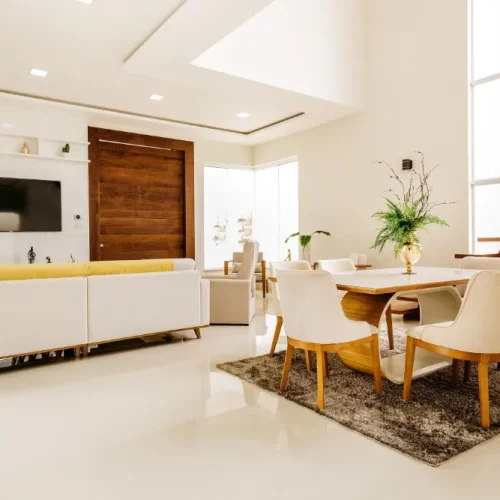
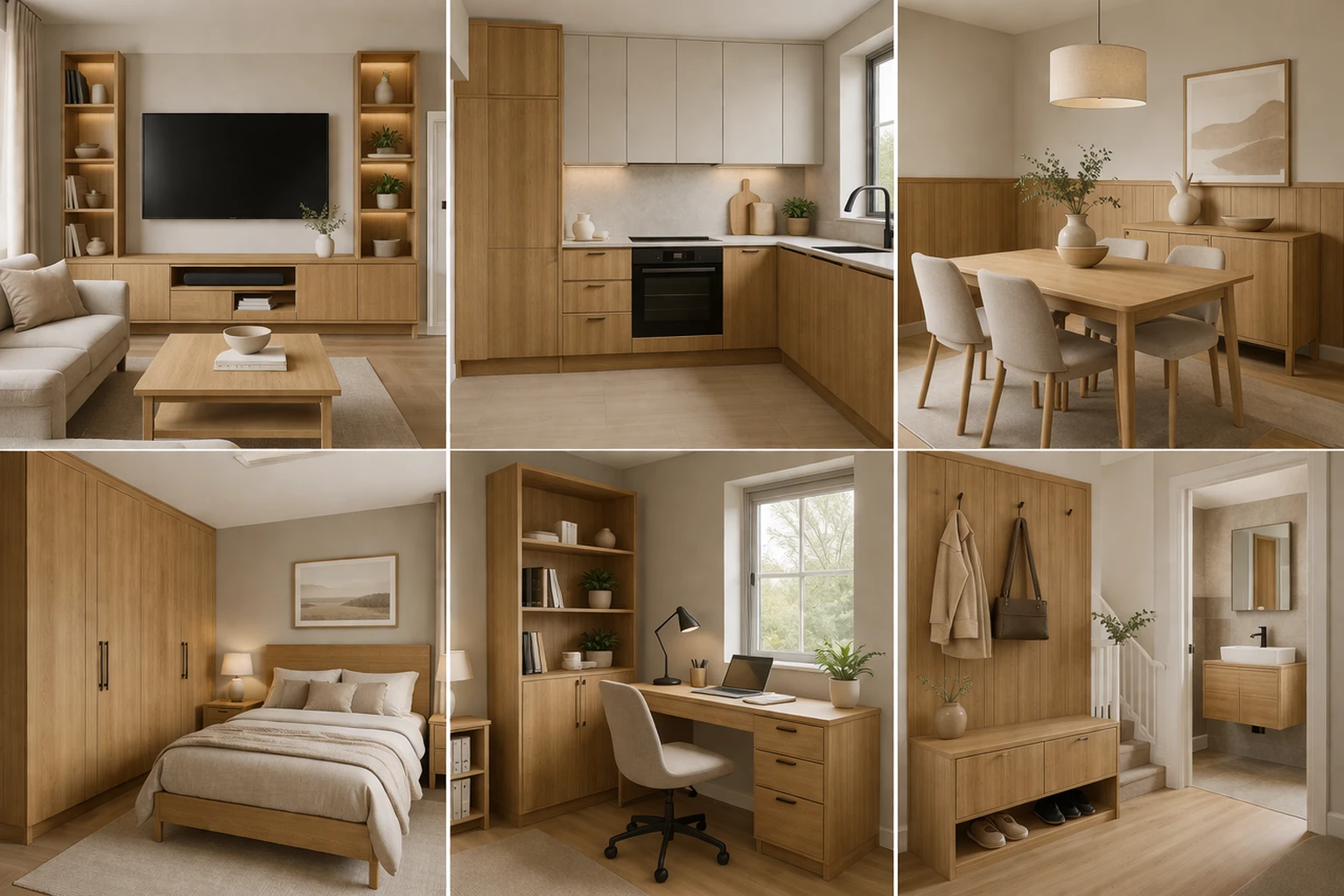
The living room is often where oak veneered MDF really shines. Media units, shelving, and fitted cabinetry benefit from its smooth finish and consistent appearance. It adds warmth to the space without dominating it, making it ideal for rooms that need to feel both comfortable and uncluttered.
Oak veneered MDF works particularly well for bespoke TV units and alcove storage, where clean lines are important. Paired with neutral walls and soft furnishings, it creates a balanced look that feels inviting rather than overly formal.
Kitchen: Clean Lines With Natural Character
Kitchens demand materials that look good and perform well, and oak veneered MDF fits the bill when used correctly. It’s often chosen for cabinet doors, panels, and feature units, especially in kitchens that blend modern design with natural textures.
Used alongside painted cabinetry or stone worktops, oak veneer introduces contrast and warmth. It’s a great way to soften sleek, contemporary kitchens without losing their crisp, modern edge.
Dining Room: Subtle Statement Pieces
In dining rooms, oak veneered MDF works well for furniture and feature elements rather than full room coverage. Sideboards, display cabinets, and wall panelling can all benefit from the richness of oak veneer.
Because dining spaces are often used for entertaining, oak veneered MDF helps create a sense of quality and permanence. It pairs beautifully with soft lighting, textiles, and simple décor, allowing the material itself to do the talking.
Bedroom: Calm and Cohesive Storage
Bedrooms should feel restful, and oak veneered MDF supports this by adding warmth without visual noise. It’s commonly used for wardrobes, bedside units, and headboards, especially in fitted designs where consistency is key.
The uniform surface of veneered MDF helps large storage pieces feel streamlined rather than bulky. Light oak tones work particularly well in bedrooms, enhancing natural light and contributing to a calm, airy atmosphere.
Home Office: Professional but Comfortable
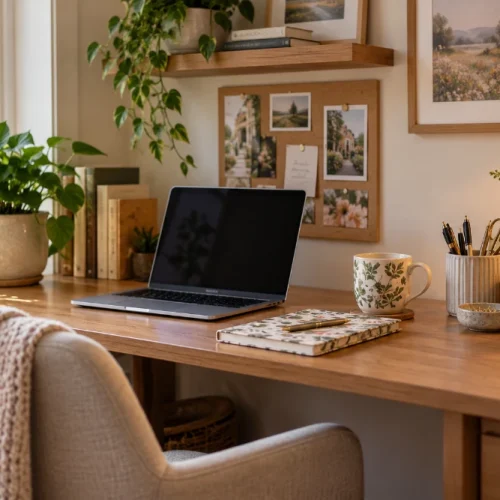
With more people working from home, the home office has become an important design focus. Oak veneered MDF strikes a perfect balance between professionalism and comfort.
Desks, shelving, and storage units made from this material feel solid and purposeful without being cold or corporate. It works well in spaces that need to be functional but still feel part of the home rather than a separate workplace.
Hallways and Landings: Making First Impressions Count
Hallways are often overlooked, but they set the tone for the rest of the home. Oak veneered MDF can be used for wall panelling, shoe storage, and console units, helping create a welcoming first impression.
Because these areas are often narrow, the clean lines and consistent finish of oak veneered MDF prevent the space from feeling cluttered or heavy, while still adding character and depth.
Bathrooms: Use With Care
While oak veneered MDF isn’t suitable for areas with direct water exposure, it can work well in bathrooms when used thoughtfully. Vanity units, storage cupboards, and decorative panels away from splash zones are common applications.
Proper sealing and ventilation are essential, but when these are in place, oak veneer can add warmth to bathrooms that might otherwise feel cold or clinical.
Why Oak Veneered MDF Is So Adaptable
One of the reasons oak veneered MDF works in so many rooms is its stability. Unlike solid oak, it’s less prone to movement, making it ideal for larger panels, doors, and fitted furniture. It also accepts finishes well, allowing you to tailor the tone to suit each space.
Many projects use oak veneer sheets to create a consistent look across multiple rooms, helping the home feel connected rather than disjointed.
Creating a Cohesive Look Throughout Your Home
Using oak veneered MDF across different rooms doesn’t mean everything has to match exactly. Varying how and where it’s used helps maintain interest while still creating flow.
For example, shelving in the living room, wardrobes in the bedroom, and cabinetry in the kitchen can all share the same material but feel distinct through scale, layout, and surrounding finishes.
A Practical Choice With Timeless Appeal
Oak veneered MDF offers the best of both worlds: the natural beauty of oak and the reliability of an engineered board. When used thoughtfully, it enhances every room without overpowering it.
By understanding where it works best and how to use it, you can create a home that feels warm, cohesive, and well considered, proving that smart material choices make a lasting difference.
FAQs
Oak veneered MDF is a manufactured board with a thin layer of real oak wood on top, combining natural aesthetics with a stable core.
Yes, it’s highly durable for interior applications, especially in furniture and cabinetry, as long as it’s properly finished and maintained.
Yes, it works well for cabinet doors and panels, but it should be sealed properly to protect against moisture and spills.
It can be used in bathrooms if kept away from direct water exposure and properly sealed with good ventilation in place.
It offers a similar appearance at a lower cost and is more stable, with less risk of warping or cracking over time.
It’s usually stained or finished rather than painted to highlight the natural oak grain, though finishes can be adjusted for tone.
It’s widely used for wardrobes, shelving, media units, cabinetry, and wall panels across multiple rooms.
It can be a more sustainable option than solid wood, as it uses less hardwood and often incorporates recycled wood fibers.
Regular dusting and occasional cleaning with a damp cloth are enough, avoiding excessive moisture or harsh chemicals.
Yes, using it across different rooms helps unify the look of a home while still allowing variation in design and layout.