This post contains affiliate links. As an Amazon Associate, I earn from qualifying purchases, at no extra cost to you. See our disclosure policy.
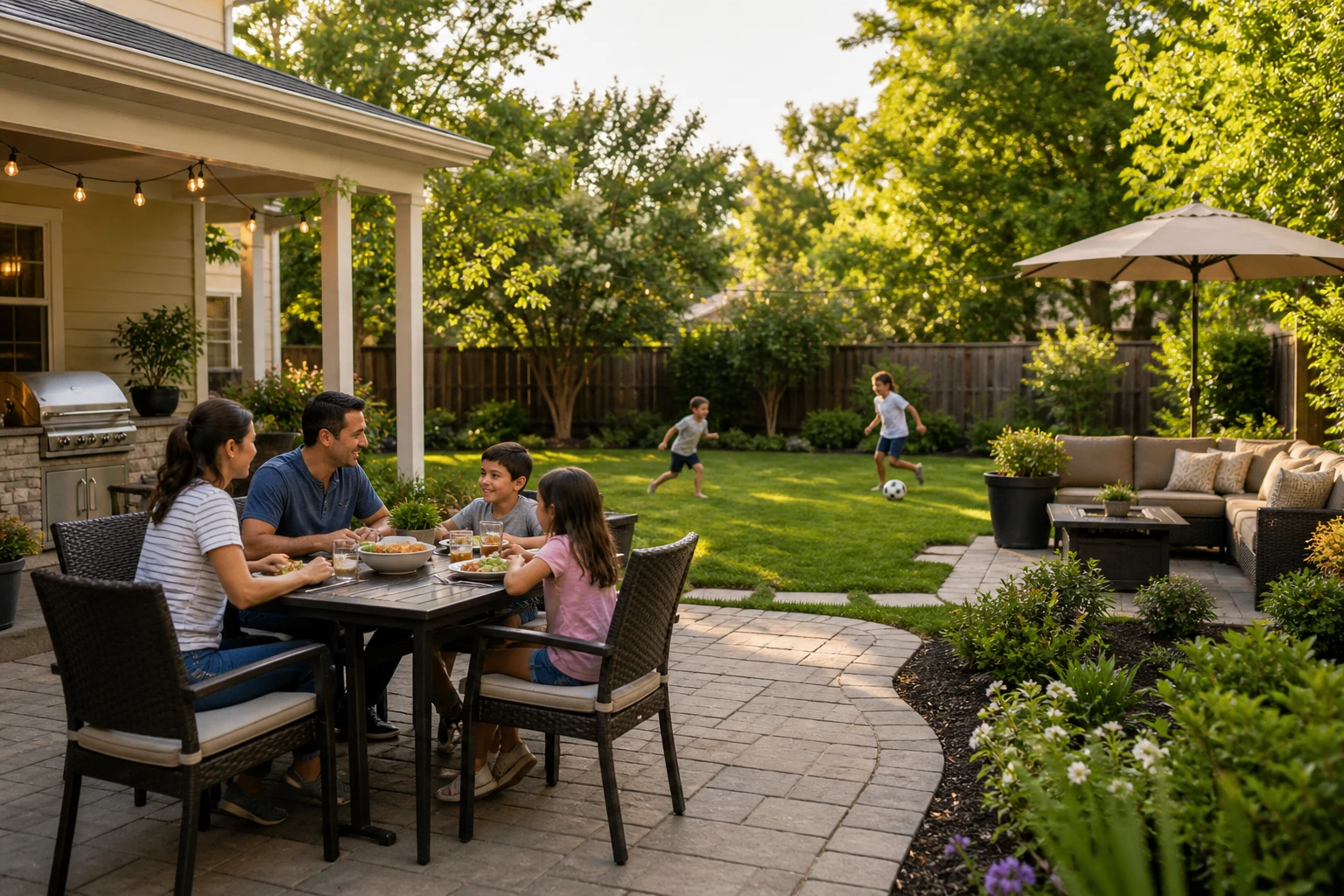
Step outside in May and you feel it instantly. The shift. The energy. The way a backyard in late spring stops being a background feature and starts acting like a true extension of the home. Meals move outdoors. Kids spread out across the grass. Evenings stretch longer than expected. And suddenly, that layout you thought worked all winter? It doesn’t quite hold up.
This is where most homeowners get it wrong. They design for how they imagine they’ll use their space—not how they actually use it. Late spring exposes that gap fast. If you pay attention, your backyard will show you exactly what it needs.
Let’s break it down.
Why Late Spring Changes Everything
Longer Days, Real Use
You’re not just stepping outside for a few minutes anymore. You’re staying.
After-work dinners. Quick games before sunset. Conversations that run longer than planned. The backyard in late spring becomes a daily-use environment, not a weekend novelty.
That shift matters. Because frequency changes expectations. A space used once a week can tolerate inconvenience. A space used every day cannot.
Outdoor Living Takes Over
This is the season when inside and outside start to blur. People answer emails from the patio. Kids snack on the steps. Someone drags a chair into the sun just because it feels good.
The backyard becomes a second living room. And like any living room, it needs structure.
Hosting Becomes Casual (and Frequent)
No formal planning. No big setup.
Friends drop by. Family swings through. You throw burgers on the grill without overthinking it. The backyard in late spring is built for these moments—but only if the layout supports them.
How Families Actually Use Their Backyard in Late Spring
Forget design trends for a second. Let’s talk reality.
Outdoor Dining Isn’t Occasional—It’s Routine
Dinner outside isn’t an event anymore. It’s just dinner.
That changes everything about placement. If your table is too far from the kitchen, you’ll feel it every single night. If there’s no shade, you’ll avoid it. And if seating is tight, someone’s always uncomfortable.
Kids Take Over the Lawn
This is non-negotiable.
Kids run. They chase. They sprawl. And they invent games that need space. And if your yard doesn’t have open, usable grass, they’ll either crowd the patio or head back inside.
Neither outcome is what you want.
Hosting Happens in Motion
Guests don’t sit still. They move.
They grab food. And they wander. They stand, sit, and shift between groups. A well-designed backyard in late spring allows that movement without friction.
When it doesn’t? You get bottlenecks. Awkward clustering. People standing where they shouldn’t.
Quiet Moments Matter Too
Not everything is loud.
Morning coffee. A phone call. A few minutes of silence after a long day. These moments need their own space—separate from the action but still connected.
What These Habits Reveal About Smart Layout Design
Zones Are Essential
You don’t need walls. But you do need structure.
Think in zones:
- Dining
- Play
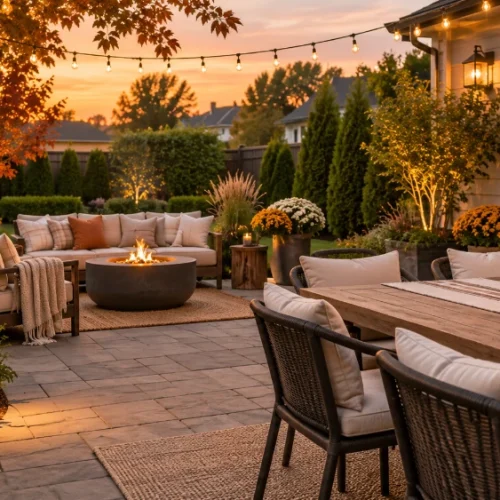
- Lounge
Each serves a purpose. Each needs breathing room.
Flow Beats Looks
A beautiful layout that’s hard to move through? It fails.
A functional layout that feels natural? It wins every time.
Ask yourself:
- Can people walk easily from the house to the table?
- Is there a clear path across the yard?
- Do guests instinctively know where to go?
If the answer is no, the design needs work.
Flexibility Is Power
The best backyards adapt.
A dining area that doubles as a workspace. A lawn that shifts from play zone to event space. Moveable chairs that adjust to the moment.
Rigid layouts don’t survive real family use.
Common Backyard Layout Mistakes (And Why They Happen)
Overcrowding the Patio
This one shows up everywhere.
Too many chairs. Too many tables. And too much “stuff.” It looks full. It feels tight.
Here’s what happens:
- Movement becomes awkward
- Dining feels cramped
- Guests stand instead of sitting
Fix it: Remove one or two pieces. Yes, really. Space is functionality.
Ignoring Open Lawn Space
Hardscaping is tempting. It looks polished. It feels permanent.
But too much of it kills usability.
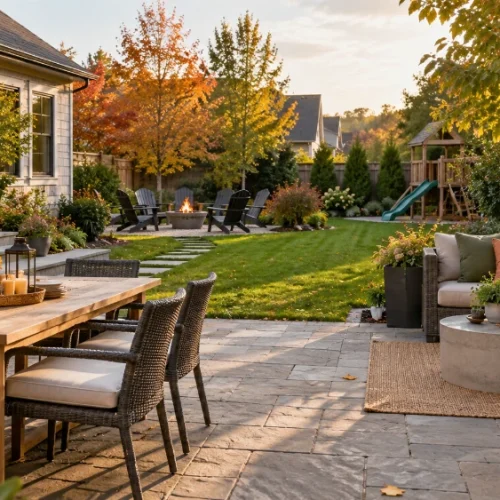
Families need grass. Real, usable, consistent grass. Especially in a backyard in late spring, where activity peaks.
Poor Dining Placement
Convenience drives behavior.
If your dining setup is:
- Far from the kitchen
- Disconnected from the grill
- Exposed to harsh sun
You won’t use it as much as you think.
No Shade Strategy
Midday sun is unforgiving.
Without shade, your yard becomes unusable during the exact hours you want it most. And in a backyard in late spring, those hours matter.
No Clear Pathways
When there’s no defined path, people create one.
Usually straight across your lawn.
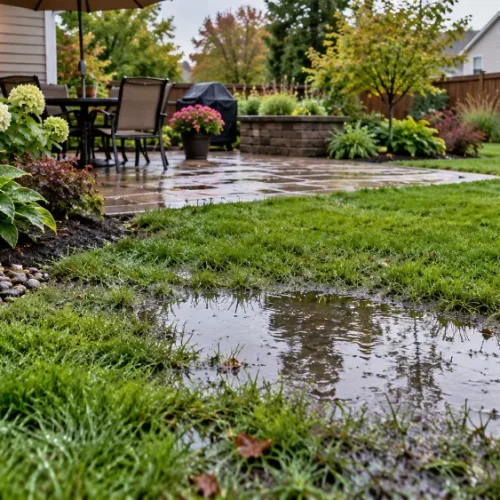
Result? Worn grass. Mud patches. A messy look that’s hard to fix.
Designing a Backyard That Actually Works
Start With Movement
Watch how people move. Then design around it.
Entry → dining → lawn → seating.
That sequence should feel natural. Effortless.
Balance Hardscape and Softscape
Here’s a simple breakdown:
| Element | Purpose | Ideal Balance |
| Patio | Dining & seating | Moderate |
| Lawn | Play & flexibility | Generous |
| Landscaping | Visual structure & privacy | Light to moderate |
Too much of any one element throws everything off.
Choose the Right Furniture Scale
Big furniture in a small patio? Problem.
Small furniture in a large yard? Also a problem.
Right-sizing matters more than style.
Layer Your Shade
Don’t rely on one solution.
Combine:
- Umbrellas
- Trees
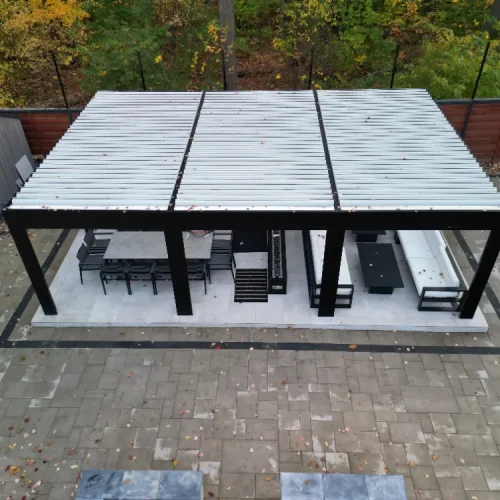
- Pergolas
This creates flexible coverage throughout the day.
The Role of a Healthy Lawn (And Why It’s Often Overlooked)
A great lawn isn’t just visual. It’s functional.
Kids play on it. Adults walk barefoot on it. Guests spill onto it when seating fills up.
In a backyard in late spring, lawn quality directly affects how much the space gets used.
What Happens Without Consistent Lawn Care
- Dry patches limit play
- Muddy areas create mess
- Uneven growth looks neglected
This is where irrigation matters. Even coverage keeps the lawn usable—not just green.
In some regions, homeowners turn to solutions like local Glen Burnie sprinkler installation companies to ensure consistent watering across high-use areas. The goal isn’t perfection. It’s reliability.
Practical Layout Examples
Small Backyard
Focus on efficiency.
- Compact dining set near the house
- Minimal seating
- Small open lawn area
Use multi-functional furniture. Every piece should earn its place.
Medium Backyard
This is where balance shines.
- Defined dining zone
- Central open lawn
- Secondary seating area
The backyard in late spring thrives here because it supports multiple activities without feeling crowded.
Large Backyard
Space is an advantage—if used correctly.
- Separate entertaining area
- Dedicated play zone
- Quiet retreat space
Avoid the mistake of spreading everything too far apart. Connection still matters.
Seasonal Adjustments That Make a Big Difference
Rearrange for Sun and Shade
What worked in early spring may not work now.
Shift furniture. Adjust umbrellas. Open or close certain areas based on sunlight patterns.
Keep Some Elements Temporary
Not everything needs to be fixed in place.
Portable seating. Moveable shade. Flexible layouts. These give you control as needs change.
Quick Checklist for a Better Backyard in Late Spring
Before the season fully kicks in, run through this:
- Is there enough open lawn space for activity?
- Can people move easily between zones?
- Is your dining area convenient to access?
- Do you have adequate shade during peak sun?
- Does your layout support both everyday use and hosting?
If you hesitate on any answer, there’s an opportunity to improve.
Final Thoughts
The truth is simple. The backyard in late spring doesn’t lie.
It shows you how your family actually lives. Where people gather. Where they avoid. What works. What doesn’t.
Design isn’t about copying ideas from photos. It’s about aligning your space with real behavior. Your behavior.
Pay attention. Make small adjustments. Prioritize function over appearance.
And suddenly, your backyard stops being something you maintain—and starts being something you truly use.
FAQs
It’s used more frequently for dining, play, and hosting, which makes layout functionality far more important.
At least 30–50% of the yard should remain open lawn to support play and flexible use.
Homeowners often prioritize seating capacity over movement, which leads to cramped and less usable spaces.
Ideally close to the kitchen or grill for convenience and frequent daily use.
Very important—without shade, large portions of your yard may become unusable during peak daytime hours.
Use natural separations like furniture placement, pathways, or landscaping to define dining, play, and relaxation areas.
Ensure clear walking paths and avoid placing large furniture pieces in high-traffic areas.
Yes, especially in late spring when weather conditions make outdoor meals comfortable and convenient.
A healthy lawn supports safe play, comfort, and overall usability for both kids and adults.
Absolutely—smart furniture choices and maintaining some open space can make even small yards highly usable.