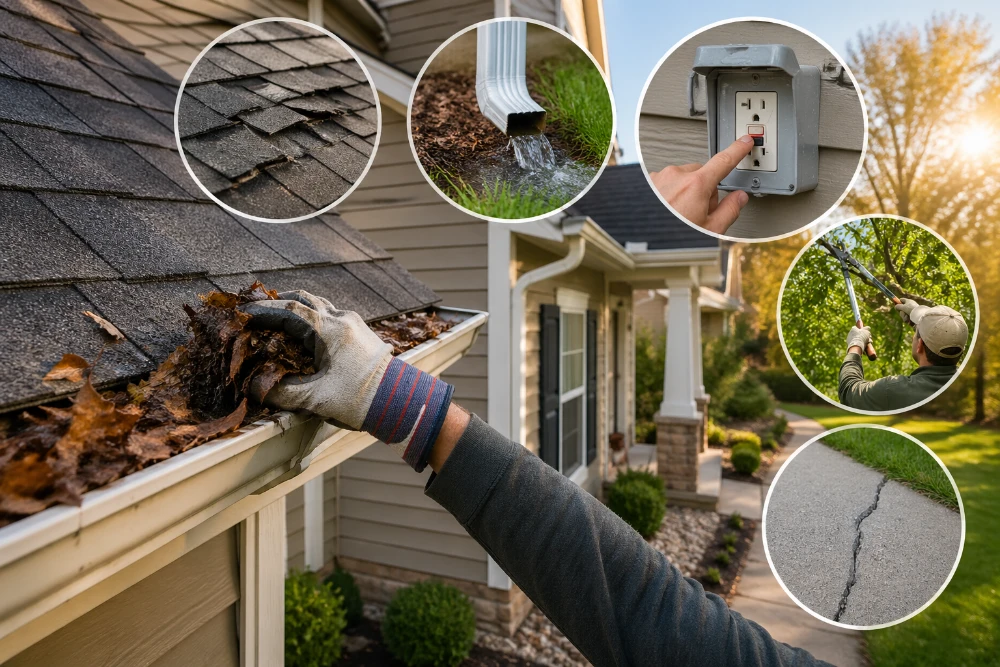
Most homeowners don’t ignore maintenance on purpose. Life gets busy. Priorities shift. And those hidden maintenance tasks? They quietly slide down the list—until something breaks.
That’s when the real cost shows up.
A clogged gutter turns into water damage. A loose shingle becomes a leak. A neglected outdoor outlet becomes a safety hazard. These aren’t dramatic failures at first. They’re subtle. Slow. Easy to miss.
But they compound.
In this guide, I’ll walk you through the hidden maintenance tasks that tend to fly under the radar—especially on the exterior of your home—and how staying ahead of them can save you time, money, and stress.
Why Hidden Maintenance Tasks Matter More Than You Think
Small issues rarely stay small.
A tiny crack lets in moisture. That moisture spreads. Over time, it weakens materials you can’t even see. Before long, you’re dealing with repairs that could have been avoided with a quick inspection.
Here’s the reality:
- Preventative maintenance costs less than reactive repairs
- Exterior systems take the most abuse from weather
- Neglect often leads to structural or safety risks
These hidden maintenance tasks aren’t flashy. But they’re critical.
And when you ignore them, your home keeps score.
Gutter Maintenance: The Silent Protector You Ignore
Gutters don’t get much attention—until they fail.
They’re designed to move water away from your home. Simple. Effective. But when they clog, sag, or disconnect, that water goes exactly where it shouldn’t.
Key Hidden Maintenance Tasks for Gutters
- Remove leaves, debris, and buildup
- Check for sagging sections or loose fasteners
- Ensure downspouts direct water away from the foundation
Warning Signs You Shouldn’t Ignore
- Water spilling over the edges during rain
- Staining on siding
- Soil erosion near your home
What Happens If You Skip It?
You risk foundation cracks. Basement flooding. Rot along your roofline.
All from something that takes less than an hour to check.
Roof Checks: Small Damage, Big Consequences
Your roof rarely fails all at once.
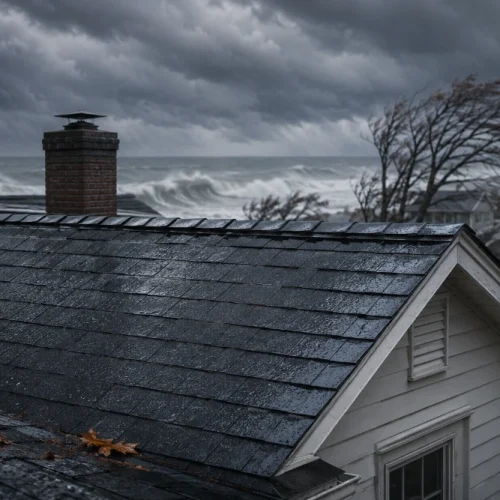
It deteriorates slowly. One shingle at a time. One weak spot at a time. That’s why roof inspections are one of the most important hidden maintenance tasks homeowners overlook.
What to Look For
- Missing, cracked, or curling shingles
- Damaged flashing around vents or chimneys
- Soft or uneven areas
Quick Comparison
| Issue Type | Cost If Caught Early | Cost If Ignored |
| Loose shingle | Minor repair | Full leak repair |
| Flashing damage | Small fix | Structural water damage |
| Minor leak | Patch job | Mold remediation + rebuild |
A quick visual inspection—especially after storms—can prevent major headaches.
Exterior Drainage and Grading: The Overlooked Water Problem
Water is persistent. It finds a way.
If your yard slopes toward your home instead of away from it, you’re inviting trouble. This is one of those hidden maintenance tasks that most homeowners never think about—until they notice cracks or moisture inside.
What You Should Check
- Does the ground slope away from your home?
- Are downspouts extended far enough?
- Do you see standing water after rain?
Why It Matters
Poor drainage leads to:
- Foundation shifting
- Mold growth
- Long-term structural damage
This isn’t just landscaping. It’s protection.
Outdoor Electrical Systems: A Hidden Risk Zone
Exterior electrical systems don’t get inspected often. That’s a problem.
Between weather exposure, moisture, and wear, outdoor outlets and wiring can become dangerous if ignored.
Essential Hidden Maintenance Tasks
- Test all GFCI outlets
- Inspect outlet covers for cracks or gaps
- Look for exposed or frayed wiring
Risks You Don’t Want to Take
- Electrical shock
- Fire hazards
- Short circuits during storms
These systems sit outside, exposed year-round. They need attention.
Pre-Winter Electrical Prep: What Most Homeowners Miss
Cold weather changes everything.
Materials contract. Moisture freezes. Electrical systems get pushed harder. Yet many homeowners skip this step entirely.
Before Winter Hits, Do This
- Seal and weatherproof outdoor outlets
- Check your breaker panel capacity
- Replace damaged cords or fixtures
And if you’re planning seasonal decorations, don’t wait until the last minute. Many homeowners rush setup and overlook safety—especially when climbing ladders or connecting multiple lights.
If you plan ahead, you can safely book early Christmas light installation in the Bonita Springs area and avoid the stress of overloaded circuits or unsafe setups.
Planning matters more than you think.
Tree Trimming and Exterior Hazards
Trees add value and beauty. They also add risk.
Branches hanging too close to your roof can scrape shingles, clog gutters, or break during storms.
Hidden Maintenance Tasks for Trees
- Trim branches near rooflines
- Remove dead or weak limbs
- Monitor root systems near foundations
Why It’s Important
- Prevents roof damage
- Reduces storm risk
- Protects structural integrity
A quick trim today can prevent a costly repair tomorrow.
Driveways, Walkways, and Exterior Surfaces
Cracks don’t fix themselves.
They grow. Water seeps in. Freeze-thaw cycles expand them. Before long, you’re dealing with uneven surfaces or full replacements.
What to Watch For
- Small cracks in concrete or asphalt
- Uneven or sunken areas
- Water pooling in low spots
Hidden Maintenance Tasks to Stay Ahead
- Seal cracks early
- Level uneven surfaces
- Improve drainage around walkways
This isn’t just about appearance. It’s about safety and liability.
Why Planning Matters for Safe Holiday Lighting Installation
Holiday lights look simple. Plug them in, hang them up, done. Right?
Not quite.
There’s more happening behind the scenes—especially when it comes to electrical load and roof safety.
Common Mistakes
- Overloading outlets
- Using indoor-rated extension cords outside
- Climbing onto unstable or unchecked roofs
Smart Preparation Steps
- Inspect your roof before climbing
- Use weatherproof outlets and covers
- Distribute electrical load across circuits
This is where hidden maintenance tasks play a huge role. If your gutters, roof, or electrical systems aren’t in good shape, decorating becomes risky.
A little planning goes a long way.
A Simple Seasonal Maintenance Checklist
You don’t need to remember everything. Just follow a system.
Spring
- Clean gutters
- Inspect roof after winter
- Check drainage and grading
Summer
- Trim trees
- Inspect outdoor electrical systems
- Seal cracks in driveways
Fall
- Clear gutters again
- Prepare electrical systems for winter
- Check roof before storms
Winter
- Monitor for ice buildup
- Avoid overloading electrical circuits
- Inspect after major weather events
Consistency beats intensity every time.
When to Call a Professional vs. DIY
Not everything needs a contractor. But not everything should be DIY either.
Safe to Handle Yourself
- Gutter cleaning
- Visual roof inspections
- Basic electrical outlet checks
Call a Professional When You See
- Structural damage
- Electrical issues beyond surface level
- Roof leaks or soft spots
Why It Matters
Trying to save money on complex repairs can backfire. Sometimes, the smartest move is knowing when to step back.
Final Thoughts: Small Habits, Big Savings
Here’s the truth.
Your home doesn’t fall apart overnight. It declines slowly. Quietly. Through neglected details and overlooked systems.
That’s why hidden maintenance tasks matter so much.
They’re easy to ignore. Easy to delay. But they’re also the difference between a well-maintained home and a costly repair project waiting to happen.
Start small. Stay consistent. Build the habit.
Because the best repairs… are the ones you never have to make.
FAQs
Hidden maintenance tasks are small, often overlooked exterior upkeep items like gutter cleaning, roof inspections, and checking outdoor electrical systems.
You should inspect and clean your gutters at least twice a year, typically in spring and fall.
Look for missing shingles, leaks, sagging areas, or visible wear after storms.
Proper drainage prevents water from damaging your foundation and reduces the risk of mold and structural issues.
Yes, damaged or exposed outlets can lead to electrical shock, short circuits, or fire hazards.
Start preparations in early fall to inspect electrical systems, seal outlets, and address any exterior issues.
Many tasks are DIY-friendly, but anything involving structural damage or complex electrical work should be handled by a professional.
Overhanging branches can damage your roof and clog gutters, while roots can affect your foundation.
Planning ensures safe use of outlets, prevents circuit overloads, and reduces the risk of accidents when accessing the roof.
Neglect can lead to costly repairs, safety risks, and long-term damage to your home.