This post contains affiliate links. As an Amazon Associate, I earn from qualifying purchases, at no extra cost to you. See our disclosure policy.
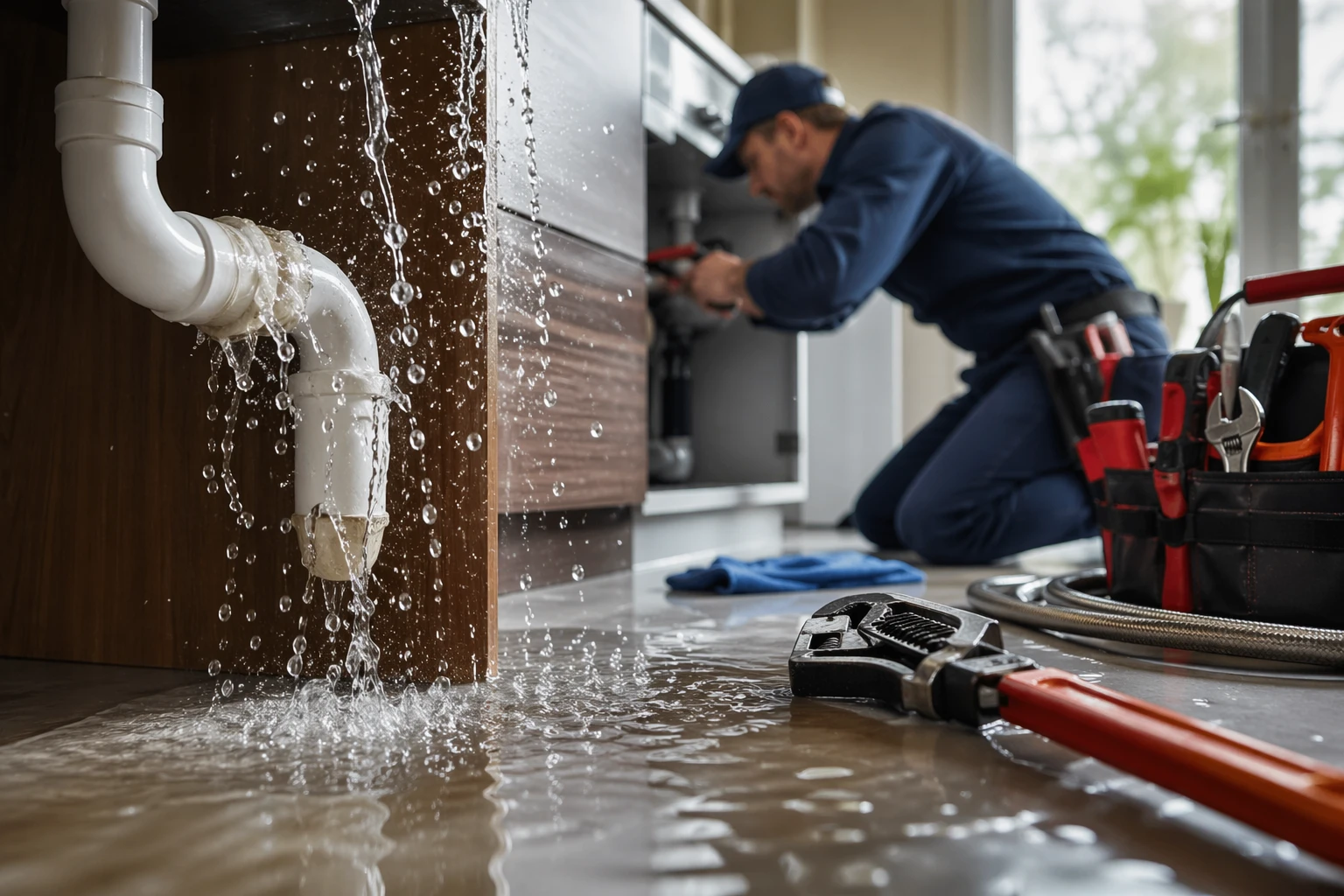
We all have been in a situation where at midnight, we see the washbasin or washroom or courtyard with burst pipe or leakage. And what do we do: Let’s go to bed, will we call a plumber in the morning??
Have we not?? Then we pay the damage not only for the actual problem but also for not calling when needed.
Our home is probably the biggest asset we own. The plumbing is what keeps it intact. So when something feels off, a local plumber in Sydney with a 60-minute response time and a $0 call-out fee is worth a call before you go to bed.
How to Tell the Difference at a Glance
| Situation | Can it wait? | Why |
| Slow draining sink | Usually yes | Partial blockage, not yet urgent |
| Dripping tap | Yes | Wasteful but not damaging |
| No hot water | Same day | Safety risk if system is faulty |
| Water where it should not be | No | Structural damage starts within hours |
| Fully blocked drain | No | Sewage backup risk |
| Whole-house pressure drop | No | Possible burst pipe running right now |
If your situation is in the bottom three, keep reading.
1. Water Where It Should Not Be
It might sound obvious at first. But think about what most Sydney homes are actually built with.
The vanity in your ensuite is usually MDF. Kitchen floors are often hybrid laminate or engineered timber. They look good and they’re not cheap, but they don’t handle water well.
Solid timber can sometimes be dried and saved. MDF and laminate can’t. Once water gets in, they swell and the damage is done. At that point, it’s not a repair job, it’s a replacement.
That’s how a $15,000 kitchen can quickly turn into a $25,000 problem, especially if a leak goes unnoticed for a couple of days.
The wet patch you’re seeing is not the source. It’s just where the water finally showed up after moving through the structure, which means the actual leak is usually sitting further back than it looks.
The first thing to do is shut the water off. Start with the isolation valve under the sink or behind the toilet. If that doesn’t move, go straight to the mains and stop the flow there. Then get someone in the same day. Leaving it overnight is where it starts getting expensive.
Sydney’s humidity doesn’t help either. Once moisture sits in place, mould can start forming within a day or two, and that turns a plumbing job into a remediation job as well.
Before anything gets opened up, take photos. It seems minor at the time, but insurers almost always want to see what the damage looked like before any work began.
2. No Hot Water
A hot water system does not usually fail without a reason. When it drops out completely, particularly on a system over 10 years old, something has gone wrong internally and the safety shutoff has done its job.
The pressure relief valve is the most common culprit. It is designed to release pressure if the system overheats or builds up too much internally. When it starts weeping or fails outright, the system shuts down. Running it in that state is not just uncomfortable. It is a safety risk.
When this happens, it’s usually one of a few things. The unit might be at the end of its life, an element may have failed, or there could be an issue with the pressure valve. Either way, it’s something that should be looked at the same day, not left for later.
It’s best not to keep resetting the system and hoping it sorts itself out. That tends to delay the problem rather than fix it.
There’s also a compliance side to be aware of. From May 2026, plumbing components in Australian homes need to meet updated AS/NZS standards. If non-compliant parts get installed in a rush, it can come up later during a building inspection or even affect an insurance claim.
It’s worth asking the plumber to confirm the parts they’ve used meet current standards before they leave.
3. A Drain That Has Stopped Moving Entirely
A client on the North Shore thought they had a slow sink. They had been living with it for about six weeks, using drain cleaner every couple of days. It would clear slightly, then slow again. They figured it was just buildup.
A CCTV camera told a different story. A tree root had worked its way through a crack in the old clay pipe, probably after the long dry spell followed by heavy rain earlier in the season. That kind of climate whiplash puts pressure on old clay pipes. Roots follow moisture. They find every weakness.
Six weeks of drain cleaner had done nothing. Because drain cleaner does not clear roots. It just bought time while the intrusion kept growing.
If a plunger isn’t shifting it, you’re usually dealing with a proper blockage further down the line. That could be a solid obstruction or even tree roots getting into the pipe, and it’s not something you can really fix yourself at home.
It’s important not to keep running water into a fully blocked drain. That water has to go somewhere, and it often ends up coming back through the lowest point in the house, like a floor drain or a downstairs toilet.
Once it turns into a sewage backup, it’s not just messy, it’s a health issue as well, and the cleanup can cost a lot more than getting the drain cleared in the first place.
In older parts of Sydney, especially where homes still have clay pipes, this is pretty common. If you haven’t had a camera inspection done in a while, it’s worth checking what’s going on inside the line before it becomes a bigger problem.
4. Whole-House Pressure Drop
One tap with low pressure is usually a localised problem. Every tap and shower dropping at the same time is something else.
Check with a neighbour first. If their water is fine and yours is not, the problem is on your side of the meter.
If you’ve got water where it shouldn’t be, it’s usually a burst pipe somewhere in the wall, under the slab, or in the subfloor. In some cases it could be a pressure limiting valve starting to fail, which is a smaller fix, but either way the water isn’t going to stop on its own.
The first thing to do is turn off the mains. The shut-off valve is normally near the front boundary, close to the water meter. If it’s stuck or won’t move, the plumber can deal with it when they arrive.
The main thing is to stop the water moving as quickly as you can. A burst pipe just keeps running, and the longer it goes, the more it soaks into the structure. In homes with plasterboard walls or engineered flooring, that kind of water damage usually means replacing materials, not drying them out.
The Insurance Trap Most Homeowners Do Not See Coming
Australian home insurance generally covers sudden and accidental damage. A pipe that bursts without warning is typically covered.
A slow leak that has been sitting there for weeks and caused gradual damage is frequently not. The insurer’s position is that the damage was foreseeable and should have been addressed earlier.
That line between “sudden” and “gradual” is where claims get denied.
If you noticed something and waited, that waiting period becomes the problem when you go to make the claim. Acting fast is not just about limiting damage. It protects your ability to claim in the first place.
Frequently Asked Questions
Landlords are legally responsible for keeping the property in reasonable repair under the Residential Tenancies Act 2010. For urgent repairs, tenants can arrange work up to a cost limit specified in their lease if the landlord cannot be reached. Keep every invoice and notify the landlord in writing. Current thresholds are published on the NSW Fair Trading website.
It depends on where the fault sits. Plumbing inside the walls of your lot is generally the lot owner’s responsibility. Shared pipes in common property are the owners corporation’s responsibility. The boundary is not always obvious. If water is actively damaging your property, call a plumber to stop it and sort out the liability question afterwards.
For a slow drain, it can provide temporary relief. For a fully blocked drain, it will not work. For a drain that is backing up, do not add any liquid into the system at all. You are just adding volume to something with nowhere to go.
A licensed plumber holds a broader qualification covering water supply, gas, and drainage. A licensed drainer is qualified specifically for drainage work. Most emergency plumbing companies hold both. Always check the licence number through NSW Fair Trading before work starts, particularly for after-hours jobs.
Yes, if you can get someone there to do it. Every minute matters. Smart leak detection systems that trigger an automatic valve shutoff are worth considering if you travel frequently.
Do Not Wait
Thermal imaging and CCTV cameras mean a good plumber can usually find the fault without opening walls unnecessarily. A 60-minute response team can often catch it before a builder needs to get involved.
Look for a $0 call-out fee and a lifetime labour warranty. That is the only way to know the fix is not just a temporary patch.
The call costs nothing. The delay costs more.