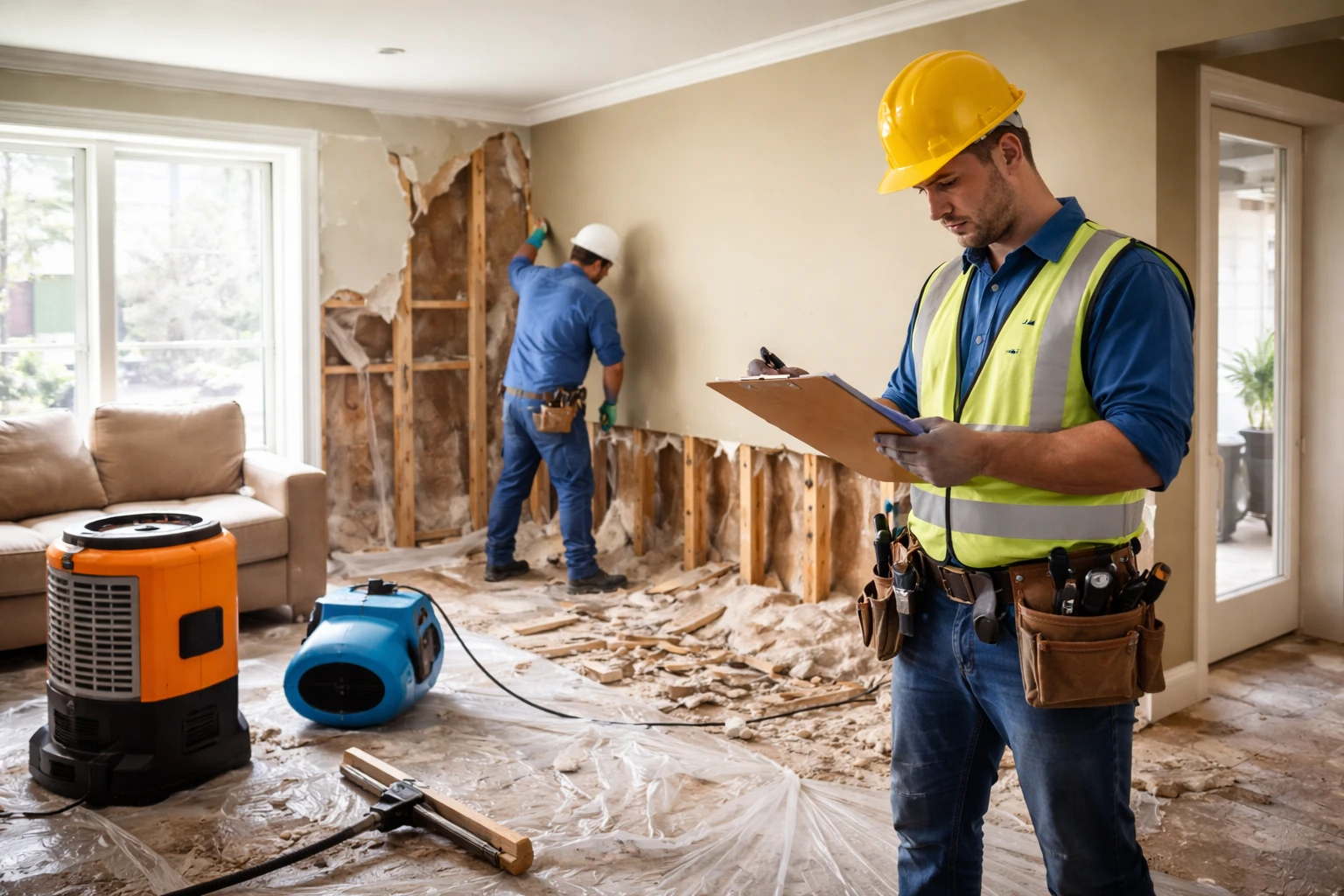
A damaged home can change daily life overnight. Water leaks, storm damage, or fire incidents leave homeowners facing repairs that feel overwhelming at first. The Federal Emergency Management Agency reports that property damage affects thousands of homes each year across the United States. Understanding the restoration process helps homeowners prepare for the work ahead.
Restoration projects follow a structured process that focuses on safety, repairs, and rebuilding damaged spaces. Professionals inspect the property carefully before beginning any work. Many homeowners choose to work with a qualified home restoration contractor who can guide them through each stage of the repair process. This article explains what homeowners can expect during home restoration and how the process typically unfolds.
Initial Inspection Determines The Scope Of Damage
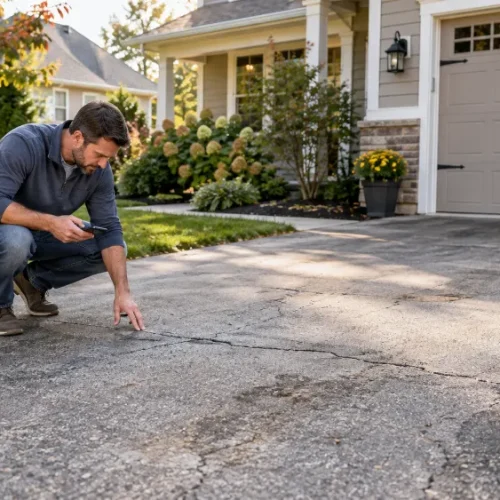
Every restoration project begins with a detailed inspection of the property. Restoration professionals examine the home carefully to identify structural damage, water exposure, or hidden safety concerns. This assessment helps determine which areas require immediate attention.
Technicians usually check walls, floors, ceilings, and support structures during the inspection. Moisture detection tools and visual evaluations help identify problems that may not appear obvious at first glance. A clear inspection report helps homeowners understand the extent of repairs needed before restoration work begins.
Safety Measures Protect The Property And Residents
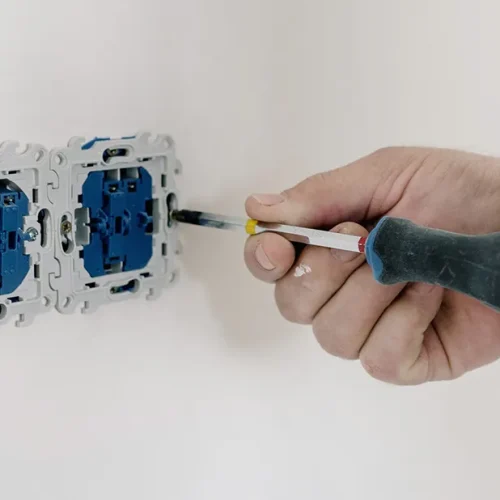
Safety remains a priority during any restoration project. Damaged homes may contain unstable structures, electrical hazards, or contaminated materials that require careful handling. Restoration professionals secure the work area to protect both workers and homeowners.
Temporary barriers, protective equipment, and structural supports may be installed before major repairs begin. These safety steps prevent additional damage and reduce risks during construction. Proper safety preparation ensures that restoration work continues in a controlled and organized manner.
Repair Planning Helps Set Clear Expectations
After the inspection stage, restoration teams develop a repair plan that outlines the work required. This plan usually includes timelines, material needs, and estimated repair phases. Clear planning helps homeowners understand what the restoration process will involve.
Communication between homeowners and restoration professionals becomes important during this stage. Project managers usually explain the repair sequence and expected progress. A well-structured plan allows homeowners to prepare for temporary disruptions while restoration work continues.
Restoration Work Repairs Damaged Structures
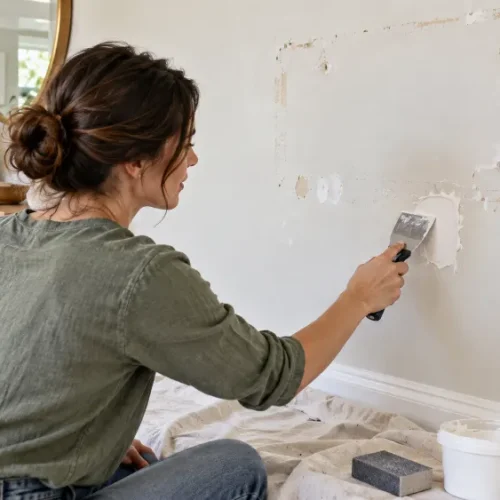
Once preparation and planning are complete, restoration crews begin repairing damaged areas of the home. Structural repairs may involve replacing drywall, flooring, insulation, or roofing materials affected by the damage. Skilled technicians work carefully to restore the home’s stability.
Restoration teams also address hidden problems discovered during construction. Moisture damage, weakened framing, or damaged wiring may require additional repairs. Each repair step focuses on returning the home to a safe and functional condition for everyday living.
Professional Guidance Supports The Restoration Process
Home restoration projects involve multiple technical steps that require professional expertise. Experienced specialists understand how to assess damage, coordinate repairs, and manage restoration timelines. Their knowledge helps homeowners avoid mistakes during the rebuilding process.
Working with a qualified home restoration contractor also improves communication throughout the project. Professionals coordinate inspections, repairs, and material choices while keeping homeowners informed about progress. Reliable guidance helps ensure restoration work follows safe practices and meets structural repair standards.
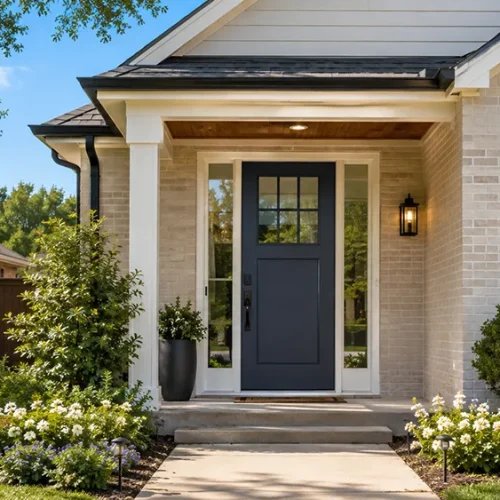
Home restoration requires patience, planning, and careful coordination. Inspection, safety preparation, repair planning, and structural rebuilding all play important roles in restoring a damaged property. Homeowners who understand these stages usually feel more confident as the project moves forward. Experienced professionals help guide each step and maintain clear communication. When homeowners work closely with a trusted home repair contractor, the restoration process becomes more manageable and helps return the property to a safe and comfortable living space.
FAQs
The timeline varies depending on the extent of the damage, but most projects can take anywhere from a few days to several weeks.
Common causes include water damage, fire damage, storm damage, mold growth, and structural issues caused by accidents or natural disasters.
In some cases, homeowners may need to temporarily relocate if the damage affects essential living areas or if safety hazards are present.
Many restoration projects are partially or fully covered by homeowners insurance, depending on the cause of the damage and the policy terms.
Restoration professionals assess structural damage, moisture levels, and safety risks to determine the scope of repairs needed.
Technicians often use moisture meters, thermal imaging cameras, and visual inspections to identify issues behind walls, ceilings, and floors.
Yes, homeowners are usually encouraged to stay informed, review repair plans, and communicate regularly with the restoration team.
Homeowners should document the damage, contact their insurance provider, and remove valuable belongings from affected areas if possible.
A qualified home restoration contractor has the training and equipment needed to safely repair structural damage and manage the restoration process efficiently.
Regular home maintenance, prompt repairs, and routine inspections can help reduce the risk of severe damage that leads to major restoration projects.