This post contains affiliate links. As an Amazon Associate, I earn from qualifying purchases, at no extra cost to you. See our disclosure policy.
Building a home from scratch is exciting. But if you want it to be genuinely sustainable, the decisions you make early on matter far more than the ones you make at the finish line. A lot of homeowners focus on things like solar panels or recycled materials, and while those are great, sustainability is really about how all the pieces fit together. Get the foundations right, and everything else becomes easier. This guide walks you through the decisions that actually move the needle.
Why Design Decisions Set the Tone for Everything Else
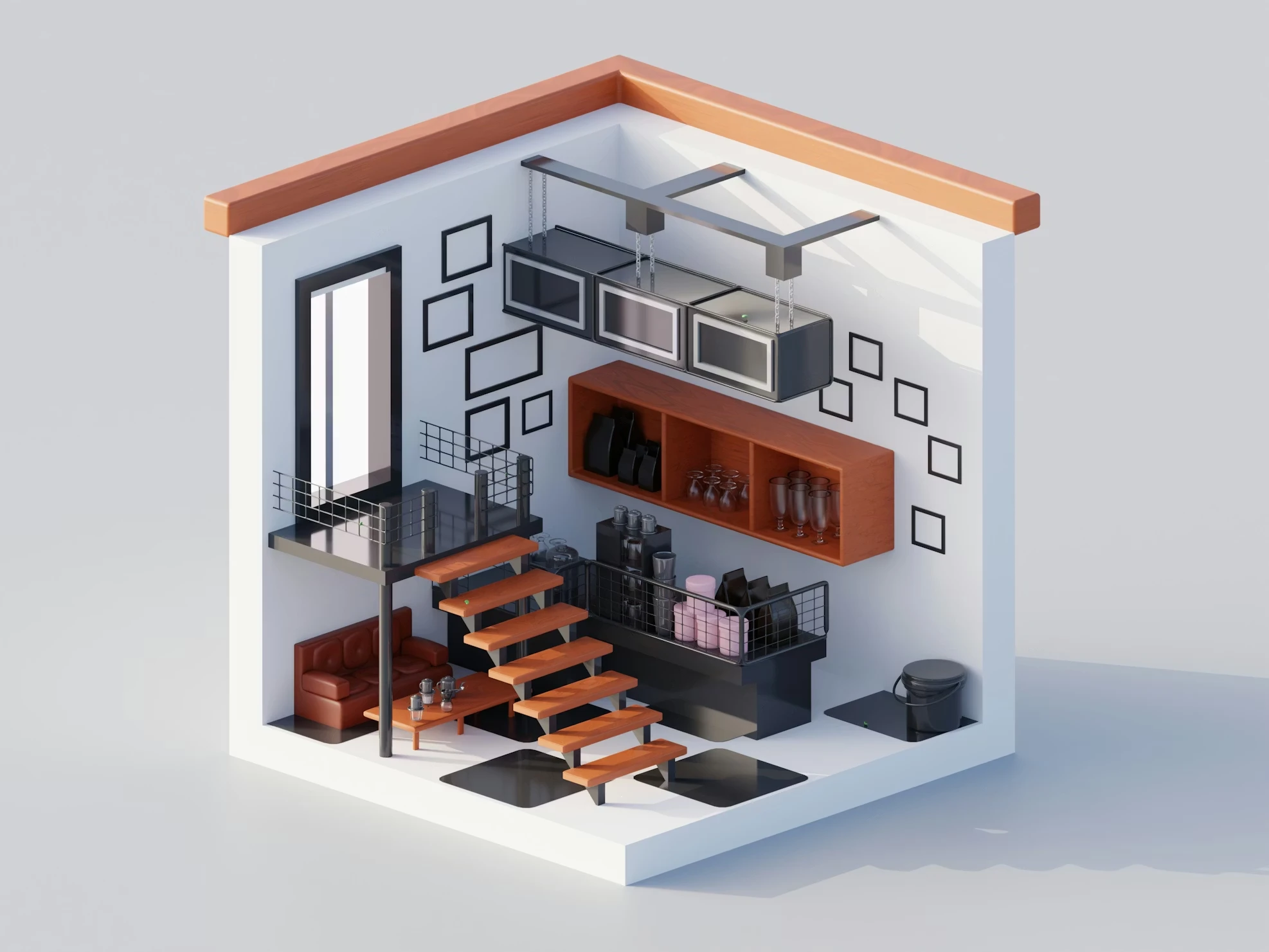
Most people think design is about how the home looks. But in a sustainable build, design is really about how the home performs. The choices you make at the planning stage, things like orientation, structural layout, and material specifications, all flow directly into how efficient your home will be for the next 30 to 50 years.
Starting With a Clear and Intentional Plan
Before anything goes on paper, sit down and think about how you actually want to live in this home. How much natural light do you want? Do you want to be off-grid or grid-connected? Do you need the home to work well in extreme heat or cold? These questions shape everything from your floor plan to your insulation choices.
A home designed around your lifestyle from the start requires far fewer compromises later. And fewer compromises means less waste, lower costs, and a home that genuinely works for you long term.
Getting the Right Expertise on Your Side
Here is where a lot of homeowners make their first mistake. They bring in professionals too late. By the time a structural issue surfaces, the design is already locked in and changes are costly.
Working with expert civil engineering design consultants from the early stages means your sustainability goals are built into the structure, not tacked on as an afterthought. Good consultants flag problems before they become expensive and help you make smarter calls on materials, load distribution, and compliance.
Choosing Materials That Support the Build Long Term
Once the design is solid, material selection becomes your next major focus. Sustainable does not always mean expensive. It means choosing materials that perform well over time with minimal environmental cost attached to them.
Low-Impact Options Worth Looking Into
Sustainably sourced timber, recycled steel, rammed earth, and insulated concrete forms are all worth exploring, depending on your climate and budget. Ask suppliers for environmental product declarations. These are essentially a report card for how a material is made and how it behaves over its lifetime. They help you compare options on a level playing field.
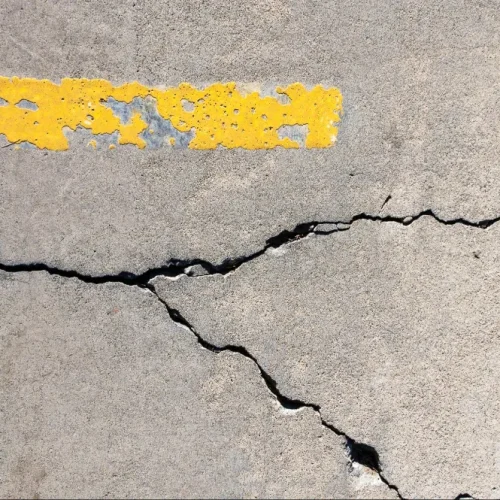
It is also worth reading up on common mistakes in custom home construction before you get too deep into material choices. Many of the most expensive errors homeowners make come down to cutting corners on structural elements and insulation, things that are very difficult and costly to fix once walls are up.
How You Build Matters as Much as What You Use
It is not just the materials themselves but how they are used on site. Prefabricated and modular construction methods cut down on material waste significantly. Good sequencing of the build reduces rework and unnecessary site disturbance. These are conversations worth having with your builder early because sustainable construction habits are much easier to establish before work begins than to introduce midway through.
Reading Your Land Before You Start Building

This is the step that surprises most first-time builders. The land you are building on has its own characteristics, and if you do not understand them properly, they will cause you headaches during construction.
Why Knowing Your Site Saves You Money
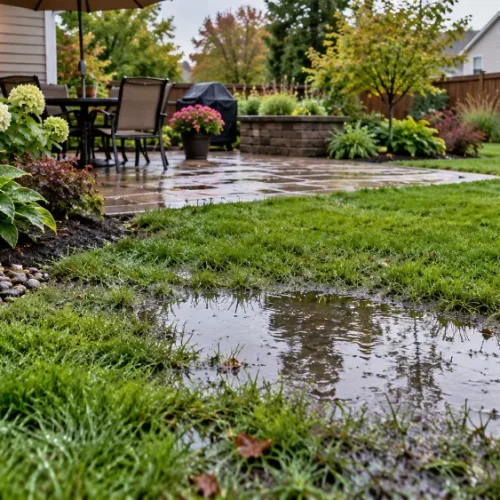
Drainage patterns, sun angles, wind direction, soil composition, and gradient all affect how your home should be designed and positioned. Building without this knowledge is a bit like cooking without tasting. You might get away with it, but the chances of something going sideways are much higher than they need to be.
Site knowledge also feeds directly into passive design choices. Knowing which direction the prevailing wind comes from, for example, changes how you position windows and outdoor spaces entirely.
How Modern Mapping Tools Help Homeowners Plan Smarter
The technology available today makes site assessment far more accessible than it used to be. Detailed 3D land mapping gives builders and architects a much clearer picture of what they are working with before a single shovel hits the ground. Using professional aerial photogrammetry services gives you precise topographical data that feeds directly into smarter design decisions, better stormwater management, and more accurate solar positioning. It is the kind of upfront investment that pays for itself quickly once construction starts.
Planning Your Home’s Energy Systems Early
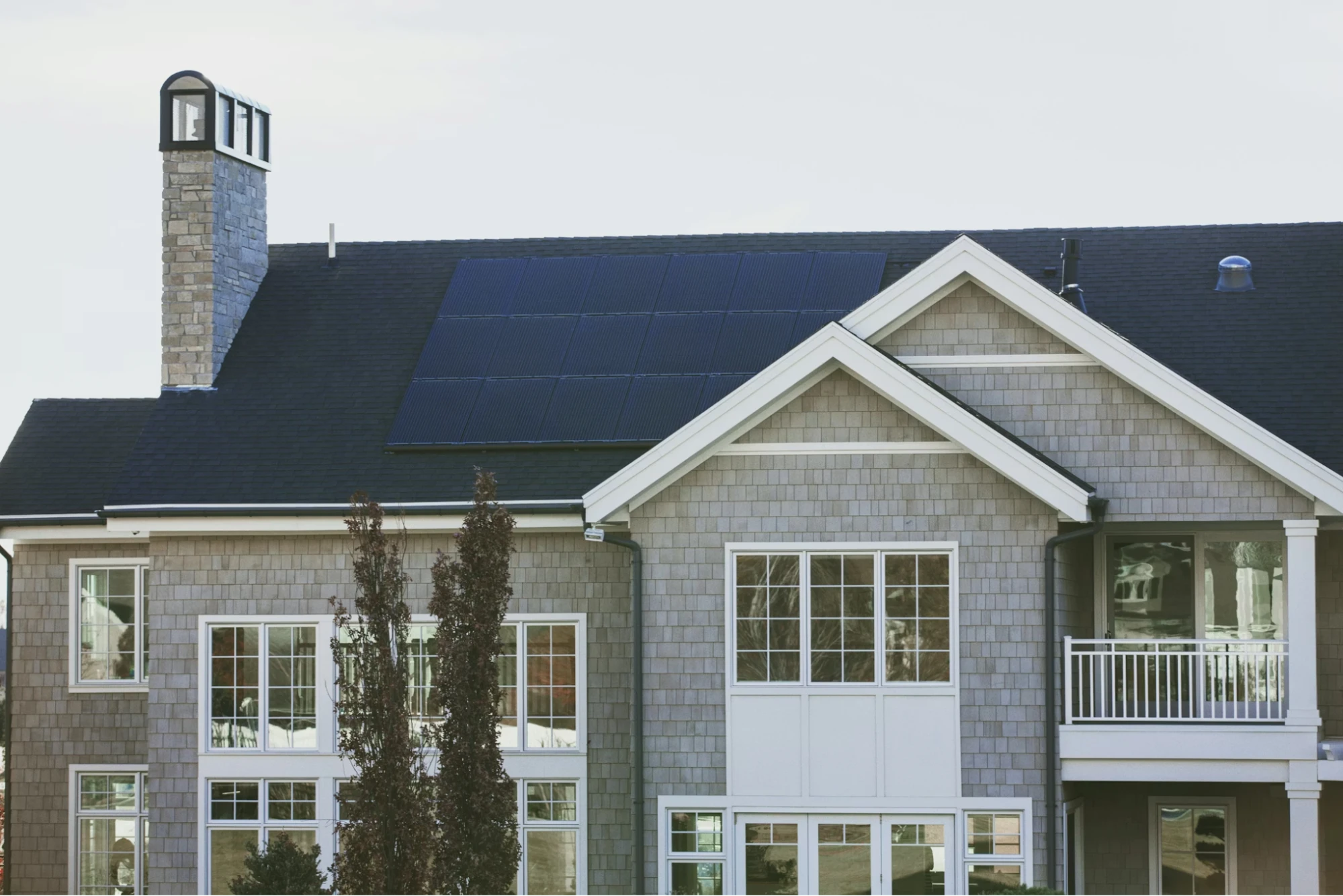
Energy planning is where a lot of the sustainability payoff lives. And just like design, the earlier you sort it, the better your outcomes will be. Retrofitting energy systems into a completed home is not impossible, but it is almost always more expensive and less effective than planning them in from the start.
Passive Design as Your First Line of Energy Efficiency
Before thinking about panels or battery storage, make sure your home is designed to use as little energy as possible on its own. North-facing living areas for Australian homes, thermal mass in floors and walls, good cross-ventilation, and quality insulation all work together to reduce your reliance on mechanical heating and cooling year-round.
These features cost relatively little to include at the build stage but are genuinely expensive to add once a home is finished. Prioritise them early, and you reduce the size of the solar system you actually need, which saves money twice over.
Bringing Renewable Energy Into the Build Plan
Once your passive design is locked in, the next step is integrating a renewable energy system. Planning your solar setup during the build phase means you can optimise roof pitch and orientation, pre-wire for battery storage, and size your system correctly from day one rather than guessing later.
If you are comparing panel options and want to explore what is available for residential and off-grid setups, you can browse Renogy solar panels to find options suited to your energy needs and available roof space.
Thinking Ahead While You Still Have the Chance
The build phase is your best window to future-proof your home without major cost. Once walls are up and floors are laid, retrofitting becomes significantly more disruptive and expensive.
Flexibility Built Into the Structure From the Start
Think about how your household might change over the next decade. An extra bedroom, a home office, an EV charger in the garage, or a rainwater harvesting system are all much easier to accommodate when the conduits and connections are roughed in during construction. It is a small cost at the build stage and a big saving down the track.
Choices That Cut Down on Future Maintenance
Durable exterior cladding, quality waterproofing membranes, and low-maintenance landscaping all reduce the time, money, and materials you spend maintaining the home over its life. That ongoing reduction in resource use is very much part of what makes a build truly sustainable beyond the first few years.
Conclusion
A sustainable home build is not about one big decision. It is about a series of smart, connected choices that build on each other from the design stage right through to handover. When you get the planning, site knowledge, materials, and energy systems working together, the result is a home that is cheaper to run, kinder to the environment, and genuinely built to last. Start early, bring in the right people, and treat every decision as part of a bigger picture.
Frequently Asked Questions
Design is the most critical early call. Getting your orientation, structural layout, and passive energy features right at the blueprint stage sets the foundation for everything else. Changes made early are cheap. Changes made during construction are not.
It can cost slightly more upfront in some areas, but sustainable builds typically cost less to run and maintain over time. The key is prioritising decisions that deliver the biggest long-term return rather than adding green features without a clear purpose.
Your land directly influences how your home should be positioned, how stormwater should be managed, and where solar panels will perform best. Building without solid site data often leads to mid-build corrections that cost far more than the assessment would have.
During the build, without question. Integrating solar at the design stage lets you optimise roof pitch, pre-wire for batteries, and avoid costly retrofitting later. It also gives you time to research and select the right system for your specific energy needs and property size.