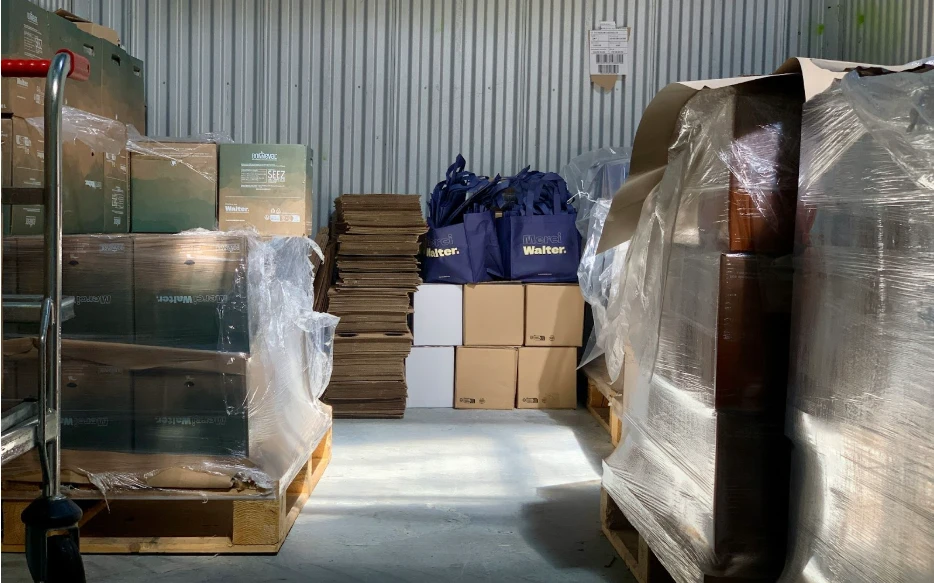
A warehouse is the beating heart of any product-based business, and the condition in which it is maintained directly influences how efficiently that business operates every single day. From worker safety and inventory accuracy to staff morale and client impressions, the cleanliness of your warehouse touches virtually every aspect of your operation in ways that are easy to underestimate until something goes wrong.
The Link Between Cleanliness and Operational Efficiency
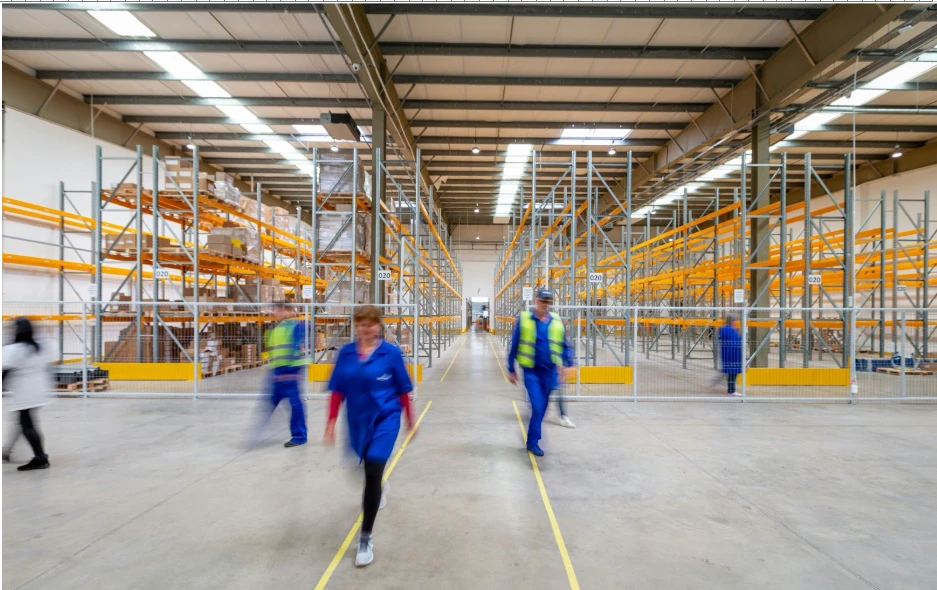
A cluttered, dirty warehouse is an inefficient warehouse, and that inefficiency has a very real cost that shows up in slower picking times, more frequent errors, and higher staff turnover. When surfaces, floors, racking systems, and common areas are consistently clean and well-organised, workers can move faster, locate stock more easily, and focus their energy on their actual responsibilities rather than navigating around unnecessary disorder.
First Impressions in a Commercial Setting
Many warehouse managers do not think of their facility as a space that needs to make a strong impression, but the reality is that clients, auditors, suppliers, and potential business partners regularly walk through warehouse doors. A clean, well-maintained facility immediately communicates professionalism, operational discipline, and a commitment to quality that no brochure or website can replicate as powerfully.
Safety Is Not Negotiable
Warehouses are statistically one of the higher-risk working environments in Australia, with hazards ranging from forklift traffic and heavy racking to chemical storage and manual handling. The presence of dust, spills, debris, and obstructions on warehouse floors and surfaces significantly increases the likelihood of slips, trips, falls, and equipment accidents that result in injuries, downtime, and costly WorkCover claims.
How Dust Accumulation Becomes a Serious Problem
In a busy warehouse, dust is not simply an aesthetic issue; it is a genuine operational and safety hazard that accumulates rapidly on racking, lighting fixtures, HVAC systems, and high-bay ceilings. Excessive dust buildup can compromise air quality, damage machinery and electronics, create fire risks in facilities that handle combustible materials, and contribute to respiratory issues among staff who spend long hours in the space.
The Role of Floor Condition in Warehouse Performance
Warehouse floors endure an enormous amount of punishment from forklifts, pallet jacks, trolleys, and foot traffic, and their condition has a direct impact on both safety and equipment performance. Cracked, stained, or contaminated floors are harder to clean effectively, create traction risks for both machinery and pedestrians, and can indicate underlying issues with drainage or surface integrity that will only worsen if left unaddressed.
Why Standard Cleaning Is Not Enough
A standard office cleaning approach is wholly inadequate for a warehouse environment, where the scale, the types of soiling, and the equipment required are in an entirely different category. Industrial-grade cleaning demands specialised machinery such as ride-on scrubbers, pressure washers, and high-reach vacuum systems, as well as the product knowledge to safely clean surfaces that may be exposed to oils, chemicals, food products, or industrial residues.
The Case for Outsourcing Warehouse Cleaning
Many business owners initially assume that warehouse cleaning is best handled in-house to save costs, but this assumption rarely holds up under scrutiny. Maintaining an in-house cleaning capability requires investment in commercial equipment, ongoing product supply, staff training, and management time, all of which add up quickly and divert resources away from the core business activities that actually generate revenue.
What Professional Warehouse Cleaning Actually Covers
Engaging professional warehouse cleaning services means far more than having someone sweep the floor and take out the bins at the end of a shift. A comprehensive professional service covers high-pressure floor scrubbing, racking wipe-downs, waste management, amenity cleaning, external yard areas, loading dock sanitisation, and scheduled deep cleans that address the areas of a facility that daily maintenance routines simply cannot reach.
Compliance, Audits, and Industry Standards
Businesses operating in food manufacturing, pharmaceutical distribution, and cold chain logistics are subject to strict regulatory hygiene standards that require documented cleaning schedules and verifiable cleaning outcomes. Working with a professional cleaning provider gives these businesses the assurance of consistent compliance, detailed service records, and the ability to pass third-party audits with confidence rather than anxiety.
Cleaning Schedules That Work Around Your Operation
One of the most practical advantages of working with a professional warehouse cleaning company is the flexibility to schedule cleaning activities around your operational hours and peak periods. Whether your facility operates across multiple shifts, runs weekend processing, or needs cleaning teams to work overnight to avoid disrupting daytime dispatch, experienced providers structure their services to fit your workflow rather than forcing your workflow to fit them.
The Environmental Responsibility Angle
Modern warehouse cleaning is increasingly expected to meet a higher environmental standard, with businesses under growing pressure from clients, regulators, and their own sustainability commitments to reduce chemical use and water consumption. Reputable professional cleaning providers use environmentally certified products, water-efficient equipment, and responsible waste disposal practices that allow businesses to meet their environmental obligations without compromising on cleaning outcomes.
Staff Wellbeing and the Warehouse Environment
There is a direct and well-documented relationship between the physical cleanliness of a working environment and the psychological well-being of the people who work in it. Staff who spend their days in a clean, orderly, and well-maintained facility consistently report higher job satisfaction, lower rates of absenteeism, and a stronger sense of pride in their work and their employer.
Attracting and Retaining Quality Staff
In a tight labour market, the condition of a workplace is a genuine factor in a candidate’s decision to accept a job offer and in an existing employee’s decision to stay. A warehouse that is demonstrably well cared for sends a clear message to current and prospective staff that their health, safety, and comfort are taken seriously by the business, and that message has tangible value in a competitive hiring environment.
Protecting Your Inventory and Equipment
Dust, moisture, pests, and chemical contamination are all threats that a poorly maintained warehouse invites, and the damage they cause extends well beyond the building itself to the stock and equipment stored within it. Regular professional cleaning significantly reduces the conditions that attract pests, promotes faster identification of moisture issues before they cause stock damage, and keeps expensive machinery operating in the clean conditions it needs to perform reliably and last longer.
Planning a Cleaning Program for Your Facility
Designing an effective cleaning program for a warehouse starts with a thorough assessment of the facility’s size, layout, operational patterns, and specific hygiene requirements. A well-designed program distinguishes between daily maintenance tasks, weekly service routines, and periodic deep cleans, ensuring that every area of the facility receives the right level of attention at the right frequency without creating unnecessary disruption to day-to-day operations.
The Cost of Doing Nothing
The single most expensive approach to warehouse cleanliness is to have no consistent approach at all, allowing problems to accumulate until they reach a point where they cannot be ignored. Reactive cleaning in response to pest infestations, slip incidents, failed audits, or damaged stock almost always costs significantly more than a proactive, scheduled maintenance program would have, both in direct remediation costs and in the operational disruption that inevitably accompanies a crisis.
Final Thoughts on Making Cleanliness a Business Priority
A clean warehouse is not a luxury or a box-ticking exercise; it is a foundational business asset that supports safety, efficiency, compliance, and culture simultaneously. Businesses that recognise this and invest in professional cleaning as a non-negotiable operational standard position themselves to perform better, grow faster, and create working environments that their people are genuinely proud to be part of every day.
FAQs
Warehouse cleanliness improves operational efficiency, enhances safety, protects inventory, and creates a more productive working environment for staff.
Most warehouses benefit from daily maintenance cleaning combined with weekly or monthly deep cleaning depending on operational volume and industry requirements.
A poorly maintained warehouse increases the risk of workplace accidents, pest infestations, equipment damage, and inventory contamination.
Yes. Clean and organised spaces help employees locate products faster, move safely, and perform tasks more efficiently.
High-traffic zones such as loading docks, aisles, floors, and picking areas typically require the most frequent cleaning attention.
Outsourcing often provides better results because professional cleaners use specialised equipment, industrial-grade products, and trained staff.
Dust can damage machinery, reduce air quality, create fire hazards, and negatively impact employee health over time.
Industrial cleaning often involves ride-on floor scrubbers, pressure washers, high-reach vacuums, and specialised degreasing equipment.
Yes. Many industries require documented cleaning standards, and professional cleaning programs help businesses meet audit and compliance requirements.
Absolutely. Employees are more likely to stay with companies that maintain safe, organised, and well-kept working environments.