This post contains affiliate links. As an Amazon Associate, I earn from qualifying purchases, at no extra cost to you. See our disclosure policy.
Winter comes early in some parts of the U.S. with “refreshing” mornings. A bite in the air soon turns to frigid evenings. Before you know it, you’re wearing a beanie and mittens in the house.
Yes, Mother Nature can be temperamental like that. If you live in a place where autumn means “hello, winter,” you know how valuable warmth becomes.
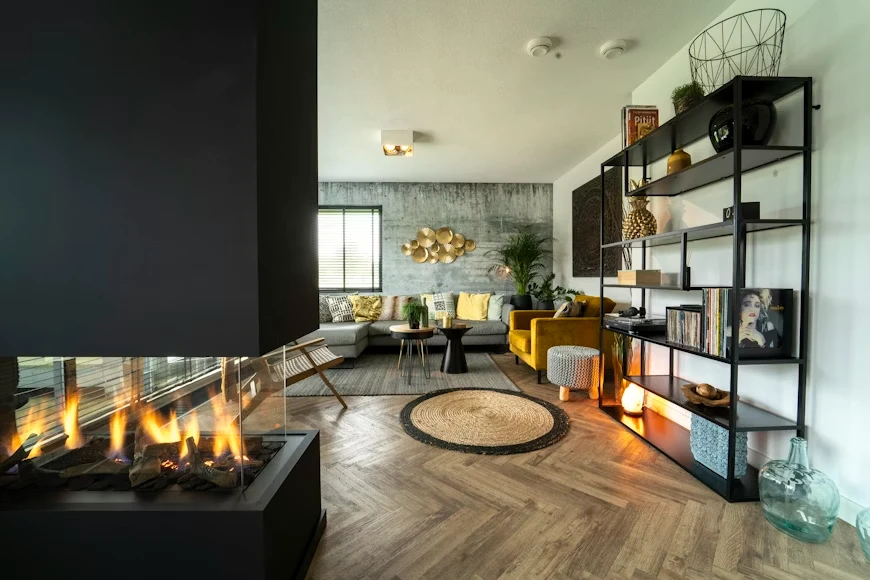
To some, a gas fireplace is an added cozy aesthetic. For you, it’s a smart upgrade that brings comfort, convenience, and real heat when the temperature gauge dips below zero.
You might be playing with the idea of installing a fireplace. How about a gas fireplace? We’ll give you seven reasons why you should consider it.
1. Instant Heat at the Flip of a Switch
One of the biggest advantages of gas fireplaces is how quickly they warm a room.
Unlike wood fireplaces that require stacking logs, waiting for kindling to catch, and tending the fire, a gas unit fires up with the turn of a knob or push of a button.
Gas fireplaces are designed for convenience and fast, dependable heat without the hassle of setting up. For cold winter days, that instant heat is a godsend.
Oh, and ELLE DECOR mentions that a gas fireplace is “the opportunity to craft an elegant vignette”. Acting as a statement piece in your home is basically the only reason you need.
2. Safer Than Many Alternative Heating Methods
It’s no wonder December is the leading month for home fires.
Asheville, North Carolina, particularly, sees an uptick in dispatched structure fire calls, the Asheville Fire Department’s Chief Nathan Rogers tells abc13 News. One of the calls the fire department responded to last year was a chimney fire.
Experts suggest that gas fireplaces in Asheville are the safest option when compared to space heaters or traditional fireplaces. When professionally installed, properly maintained, and regularly serviced, gas fireplaces are generally less risky than portable heating devices.
They’re sealed systems, often with built-in safety features. And, they don’t require open flames or exposed heating elements in the room, says Flue Fighters.
3. Cleaner Than Wood (Inside and Out)
Wood fires are romantic in theory, but in practice, they produce smoke, ash, and creosote buildup. More cleanup and maintenance.
By contrast, gas fireplaces burn cleaner than wood. You won’t be dealing with piles of ash on the hearth or soot coating your walls. Just heat and a clean flame.
That makes gas a great choice if you want the warmth and glow of a fire without the mess of burning logs.
4. Lower Maintenance, Less Stress
Fireplaces that burn wood demand a lot of upkeep: regular chimney sweeping, monitoring for resin, and clearing out ashes.
Gas fireplaces, on the other hand, generally need far less maintenance. Because gas burns cleaner, there’s less buildup inside the system, and fewer parts are exposed to soot and ash.
You’ll still want annual inspections to keep everything in top shape, but day-to-day operation is much simpler. For busy homeowners, that’s a big A+.
5. Real Heating Power
Forget fireplaces that are mostly for show. Many modern gas fireplaces are designed to provide serious heat output.
Gas units can produce consistent warmth that supplements your home’s heating system. That means:
- Warmer living spaces during bitter cold snaps
- Less reliance on space heaters
- Potential relief for your central heating system
If you’ve ever walked into room after room hoping the thermostat will catch up, a gas fireplace could make a noticeable difference.
6. Easier Installation Than You Might Think
Don’t assume a fireplace means tearing down walls or building a huge chimney. Not necessarily.
Better Homes & Gardens explains that modern gas fireplace installations are much more flexible than older masonry designs. Many gas units don’t require a full brick chimney. They can use venting systems that are easier to install, even in retrofit situations.
Also consider gas fireplaces in spaces where a wood fireplace might never have been practical. Think about it? Opening up design possibilities without a major renovation.
7. Heating You Can Count On in Extreme Weather
Part of living in a cold climate is planning for when the weather pushes systems to their limits.
Some gas fireplaces can operate independently of the electric grid, especially models with standing pilot lights or millivolt ignition systems.
In winter storms or power outages, that reliability can be essential.
Frequently Asked Questions
It depends on local gas prices. Nonetheless, gas fireplaces are generally more efficient than wood and produce consistent heat without waste.
Not always. Many gas models use direct venting or ventless systems.
Yes, when professional gas fireplace installers are tasked with the installation. Also, use proper safety devices, such as carbon monoxide detectors.
Gas fireplaces are supplemental heat sources. They can warm large spaces and ease pressure on your main system, but they’re usually not meant to replace central heating entirely.
Some models will be like those with pilot lights that don’t rely on electric ignition. Always check the specific unit’s capabilities before buying.