This post contains affiliate links. As an Amazon Associate, I earn from qualifying purchases, at no extra cost to you. See our disclosure policy.
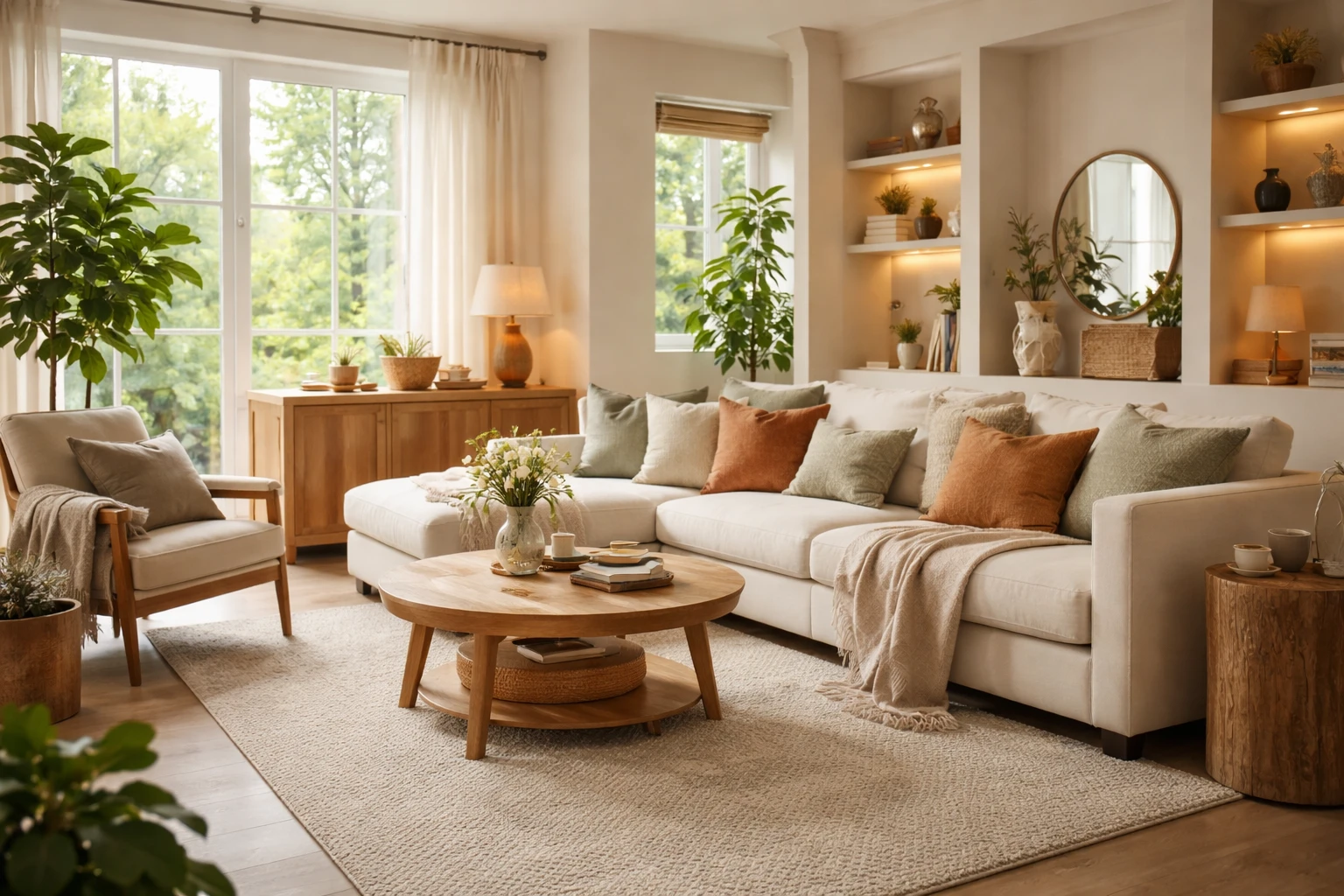
Creating beautiful living spaces takes more than choosing the right paint colors or arranging furniture perfectly. True home design balances visual appeal with genuine comfort—spaces that photograph well but also feel amazing to live in day after day.
Many homeowners focus entirely on aesthetics, only to discover their gorgeous rooms feel stuffy, too cold, or somehow just off. Others prioritize function so heavily that their homes work well but lack personality. Finding the sweet spot between these extremes transforms houses into homes people actually love inhabiting.
Let’s explore how thoughtful design choices create spaces that satisfy both eyes and bodies.
Start With How You Actually Live
Before selecting a single decorative element, consider how you genuinely use each room. Do mornings involve rushing to get ready, or lingering over coffee? Does your living room host movie nights, or mainly serve as a pass-through space?
Honest answers shape smarter design decisions. A dining room that rarely hosts meals might work better as a home office. That formal living room collecting dust could become a cozy reading nook instead.
Watch your patterns for a week without judgment:
- Which rooms do you naturally gravitate toward?
- Where do family members actually gather?
- What activities happen where?
- Which spaces feel uncomfortable, even if they look nice?
These observations reveal what your home truly needs beyond what magazines suggest it should have.
Temperature Makes or Breaks Comfort
Here’s something most design guides overlook: room temperature profoundly affects how comfortable spaces feel, regardless of how beautifully decorated they are.
A perfectly styled bedroom loses all appeal when you’re shivering under covers or sweating through sheets. Living rooms with ideal furniture arrangements still feel unwelcoming when air feels stale or temperatures swing wildly between rooms.
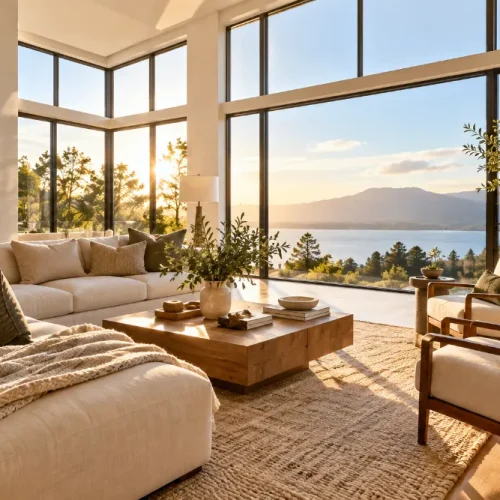
Natural light creates warmth visually, but actual thermal comfort requires proper climate control. Large windows that flood rooms with sunshine also create heat challenges during summer. High ceilings look spectacular but can make heating feel impossible during winter.
Once your home is built, professional assessment helps match climate control systems to how your spaces actually function. Alliance CC provides expert evaluation of completed homes, recommending systems tailored to your specific layout and living patterns.
Smart temperature management isn’t just about comfort—it enables you to use every room fully. That beautiful sunroom becomes a genuine living space instead of a seasonal showpiece. The master bedroom supports actual restful sleep rather than tossing and turning.
Lighting Layers Create Atmosphere
Overhead lighting alone creates harsh, unflattering environments that feel more institutional than homey. Homes that truly feel comfortable use multiple light sources at different heights.
Start with three types of lighting in main living areas:
Ambient lighting provides overall illumination. This includes ceiling fixtures, but doesn’t stop there. Consider how light bounces off walls and ceilings to create gentle, even coverage.
Task lighting supports specific activities. Reading lamps near favorite chairs, under-cabinet lights for cooking prep, desk lamps for working—these focused sources prevent eye strain while adding warm pools of light.
Accent lighting highlights artwork, architectural features, or plants. These subtle touches create visual interest and depth that overhead fixtures miss entirely.
Dimmer switches offer flexibility precious few homeowners utilize. Bright light energizes morning routines. Dimmed evening lighting helps bodies recognize bedtime approaches. This simple addition transforms static rooms into responsive environments.
Warm lighting creates welcoming spaces that look beautiful while supporting comfort across different times of day.
Textiles Add Warmth Beyond Visual Appeal
Hard surfaces photograph beautifully but feel cold in real life. Wood floors, tile backsplashes, and stone countertops create sleek modern aesthetics. Without balancing softness, these spaces echo uncomfortably and feel unwelcoming.
Textiles absorb sound, add warmth, and invite touch:
- Area rugs define spaces while cushioning feet
- Throw blankets draped over furniture invite curling up
- Curtains soften windows while controlling light and temperature
- Pillows add comfort and easy color changes
Mix textures thoughtfully. Velvet pillows against linen sofas, wool throws over leather chairs—these combinations create visual and tactile interest. Spaces feel richer and more inviting when touch matters as much as appearance.
Don’t overthink coordinating everything perfectly. Rooms that look styled-to-death often feel unwelcoming. Slight imperfections and personal touches create the lived-in warmth that makes spaces genuinely comfortable.
Air Quality Affects How Rooms Feel
Stuffy rooms feel uncomfortable even when temperature hits the perfect mark. Fresh, moving air makes spaces feel alive and pleasant to inhabit.
Poor air circulation creates that “closed up” feeling that no amount of decorating fixes. Rooms where air sits stagnant accumulate odors, feel heavy, and somehow just don’t invite lingering.
Good air flow means:
- Doors that allow circulation between rooms
- Windows positioned to create cross-breezes
- Proper ventilation in kitchens and bathrooms
- Clean filters in climate systems
- Indoor plants that naturally freshen air
When designing room layouts, consider how air moves through spaces. Furniture blocking vents or windows disrupts circulation regardless of aesthetic appeal. Small adjustments—pulling a sofa slightly away from a vent, choosing open shelving instead of closed cabinets—improve air flow without sacrificing design.
Seasonal Transitions Keep Homes Feeling Fresh
Homes that feel perfect in spring might become uncomfortable come summer. Rigid design that doesn’t adapt to changing needs quickly feels stale.
Build flexibility into your spaces:
- Lightweight throws for summer replace heavy blankets
- Sheer curtains filter summer sun differently than winter drapes
- Removable slipcovers refresh furniture seasonally
- Decorative elements rotate with seasons
Creating warm and welcoming spaces involves understanding how seasonal changes affect comfort, not just aesthetics.
Smart homeowners prepare climate systems before extreme weather hits. Late summer assessments catch issues before winter’s first cold snap. Spring checkups ensure cooling systems work reliably during heat waves. This proactive approach prevents discomfort interrupting daily life.
Personal Touches Make Houses Feel Like Homes
Generic showroom-perfect spaces might photograph beautifully, but they don’t feel like anyone actually lives there. Homes that truly feel comfortable reflect the people inhabiting them.
Display what matters to you:
- Books you actually read, not just decorative spines
- Photos from real trips, not stock art
- Collections that tell your story
- Hobbies visible and accessible
- Meaningful objects, even if imperfect
Perfectly curated spaces often feel museum-like rather than lived-in. Give yourself permission to prioritize comfort over Instagram-worthiness. That worn chair your family fights over? Probably more valuable than any designer piece.
Homes designed for real life balance beauty with function, appearance with comfort. These spaces don’t just look good in photos—they feel amazing to wake up in, relax in, and share with people you care about.
Bringing It All Together
Exceptional homes satisfy both aesthetic desires and physical comfort needs. Beautiful rooms that feel uncomfortable ultimately fail, no matter how perfect they photograph. Conversely, supremely comfortable spaces lacking visual appeal don’t fully satisfy either.
Success lies in treating design holistically. Temperature, lighting, air quality, and personal style all contribute equally to spaces you’ll genuinely love living in. Small thoughtful choices compound over time, creating homes that support how you actually want to live.
Start with one room. Address both how it looks and how it feels. Notice what changes when comfort and beauty work together rather than competing. That experience will reshape how you approach every other space in your home.