I used to think shinier hair came from buying more bottles, more serums, more masks, and more of whatever was trending that week.
I had it backward. Healthy shine usually comes from a few steady habits, not miracle claims or a crowded shelf.
If you are shopping in Australia, the word “clean” shows up everywhere. The useful question is simpler: will this routine wash gently, protect the cuticle, the hair’s outer layer, and fit real life?
A small routine you can repeat beats a complicated one you quit after two weeks.
Key Takeaways
Start with a gentle wash, protect hair from friction and heat, and judge progress with a few simple checks.
- In Australia, treat “clean” as gentle and transparent. It is not one regulated cosmetic promise.
- Low-pH shampoo helps reduce friction and frizz. Aim for formulas around pH 4.5 to 5.5.
- Conditioners with positively charged ingredients and light silicones can boost shine. They reduce drag and make detangling easier.
- Heat and sun damage dull hair fast. A heat protectant and basic sun habits matter more than extra styling products.
- A short core routine solves most beginner problems. Start with cleanser, conditioner, and heat protectant, then add a leave-in only if needed.
- Simple tracking beats guesswork. Use weekly photos, detangling time, and brush breakage to judge results.
What Does “Clean” Actually Mean in Australia?
In Australia, “clean” only matters when a brand can explain what it means on the label and in the formula.
Cosmetic ingredient labelling is mandatory under the Consumer Goods (Cosmetics) Information Standard 2020, enforced by the ACCC. Products must list their INCI ingredients, which is the standard naming system used on cosmetic labels.
AICIS, the national chemicals regulator, notes there is no single master list of banned cosmetic chemicals. Rules depend on how ingredients are introduced and used. If a brand makes medical-style claims, the Therapeutic Goods Administration, or TGA, may treat the product as a therapeutic good instead of a cosmetic.
A Practical Way to Define “Clean”
I use four simple filters. Pick mild surfactants, which are the cleansers in shampoo, and look for a slightly acidic pH of about 4.5 to 5.5. Skip rinse-off products with microbeads, favor full ingredient lists, and ignore miracle claims that do not explain how the formula works. The Australian Government reported high compliance in the voluntary phase-out of plastic microbeads in 2018, and New South Wales banned them in rinse-off products from November 2022.
Quick Glossary
- pH: A measure of acidity or alkalinity. Hair does best around 4.5 to 5.5.
- Cationic conditioner: A positively charged ingredient that clings to damaged areas and reduces drag.
- Film-former: An ingredient that leaves a thin layer on hair to reduce damage and moisture loss.
Three Big Benefits of a Gentle, Evidence-Based Routine
A gentle routine pays off fast because lower friction and lower heat damage show up in how hair looks and feels.
Less Friction, More Shine
Peer-reviewed testing shows shampoos above pH 5.5 can increase friction and frizz. Pair a low-pH wash with a conditioner that smooths the cuticle, and hair reflects light more evenly.
Stronger Styling Days
Heat protectants use film-forming ingredients, including silicones and conditioning polymers, to reduce thermal damage. That helps hair keep strength and leaves fewer snapped ends on the brush.
Better for Scalp and Surroundings
Clear Australian labels make patch testing easier, and the move away from plastic microbeads has made rinse-off products a simpler choice. You do not need a perfect formula, just one that is gentle, honest, and consistent.
What to Buy First: A Four-Step Starter Routine
Four products are enough for a strong first month, and buying more than that usually adds clutter, not results.
Step 1: Cleanse
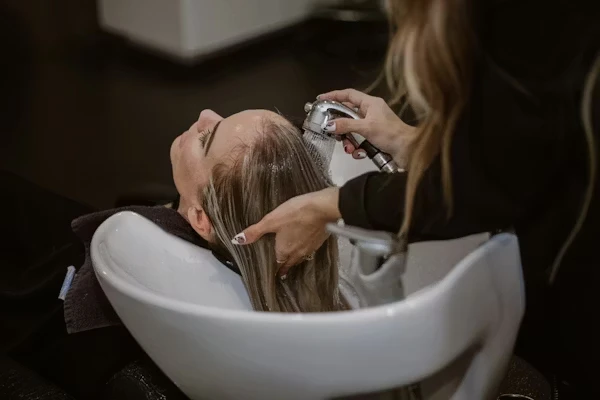
Choose a low-pH shampoo with a balanced surfactant blend, such as an anionic cleanser paired with an amphoteric one like cocamidopropyl betaine. That mix cleans well without stripping every bit of oil.
Step 2: Condition
Look for conditioning agents such as behentrimonium chloride and a light silicone. These ingredients reduce combing force, so hair snags less and looks smoother. Detangle in the shower with a wide-tooth comb under running water.
Step 3: Protect
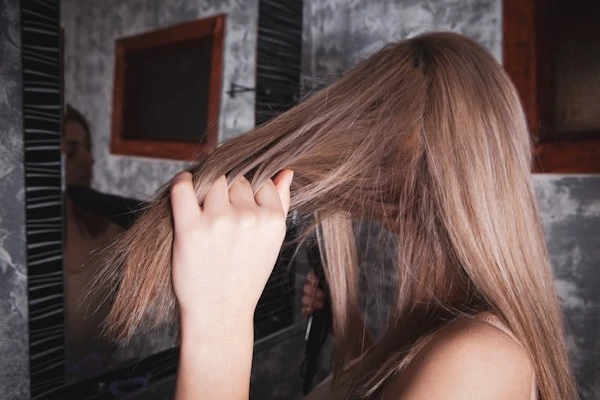
Apply a heat protectant to damp hair before any blow-dryer, diffuser, or hot brush. Silicones, acrylates, and polyquats, which are conditioning polymers, are common film-formers. One light, even pass per section is enough.
Step 4: Add a Leave-In if Needed
If the frizz is still high after a few washes, use a light cream or mist on the last third of the hair. Try the core routine first so you know what is actually helping.
Use-Case Picks
Match the texture of the formula to your hair type, because the wrong weight can hide good results.
| Goal | Cleanser Tip | Conditioner Tip | Heat Protection | Expected Change (4 Weeks) |
|---|---|---|---|---|
| Fine, oily-prone | Low-pH, lightweight | Light cationic, avoid heavy oils at roots | Spray formula, roots to ends | Less midday limpness, improved volume |
| Wavy or curly | Low-pH, sulfate-free blend | Richer conditioner, leave-in cream | Diffuse on low with protectant | Defined curl, reduced frizz halo |
| Colour-treated | Low-pH to preserve dye | Cationic-rich for damaged fibres | Diligent every wash, plus hat or shade | Slower fade, smoother texture |
| Dry, frizz-prone | Gentle, creamy cleanser | Heavy cationic, weekly mask | Low and slow heat setting | Softer mid-lengths, fewer flyaways |
How to Use the Routine Without Causing Damage
Your technique matters as much as the formula, because rubbing, over-washing, and repeat heat passes undo good products fast.
- Pre-wash detangle dry hair gently with a wide-tooth comb.
- Shampoo the scalp only and let the suds rinse through the lengths.
- Condition from mid-lengths to ends and detangle under running water.
- Towel-blot, never rub, then apply heat protectant evenly to damp hair.
- Style at moderate heat with one pass per section.
- Finish with a pea-size leave-in on the ends if needed.
Where to Shop in Australia
Buy from Australian retailers so you get compliant labelling, fresher stock, and local consumer protections.
Check that the bottle or product page shows a full INCI list and, if possible, the pH range. Start with 250 to 300 ml sizes so you can test the routine without waste. Salon-grade formulas usually sit around $25 to $40 per item.
Regional and rural buyers should also check delivery windows, since most AU-based online stores ship within five to seven business days outside metro areas. If you want an easy first shop, starting with a simple trio of cleanser, conditioner, and heat protectant from a reputable Australian stockist such as Beauty Works can keep the routine clear and consistent, especially if you are exploring Evo hair products for a straightforward first buy.
Why This Brand Works for Beginners
A beginner-friendly brand should be easy to read, easy to restock, and hard to misuse.
Evo fits that brief well. It is an Australian, family-owned professional haircare brand founded in 2005, and its product names are usually clear about what each formula does. That matters when you are trying to build a routine without guessing.
The range is also consistent. Moving from a volume-focused wash to a smoothing wash does not feel like learning a new system. Evo says its products are cruelty-free and PETA accredited, which may matter if ethics are part of your buying decision.
Your 30-Day Shine Plan
Keep the routine steady for a month before you change products, because consistency makes the results easier to judge.
- Week 1: Take baseline photos with phone flash and time how long detangling takes from towel-off to fully combed.
- Week 2: Keep heat to one pass per section and log breakage from your brush after each wash.
- Week 3: If frizz is still high, increase conditioner contact time by 60 seconds and change nothing else.
- Week 4: Repeat the photos and compare shine, combing time, and breakage against week one.
How to Track Results Like a Home Lab
Use simple repeatable checks so you can spot real progress instead of reacting to one bad hair day.
- Reflectivity test: Use the same spot, the same light, and one phone flash each week.
- Combing-time stopwatch: Time the stretch from towel-off to fully detangled.
- Breakage count: Save strands from your brush on wash days and look for a downward trend.
- Colour-hold proxy: If hair is dyed, compare rinse-water tint on white tissue across weeks.
- Feel test: Run fingers through the mid-lengths and ends and note fewer snag points over time.
Keeping the Shine After 30 Days
Keep the core routine and only add extras when one clear problem keeps showing up.
If hair starts to feel coated, use a deeper cleanse once a month and follow with conditioner. In high-sun months, lean on hats, shade, and lower tool temperatures because ultraviolet exposure can roughen the cuticle and shift colour.
If ends still look fuzzy, add a pea-size leave-in to the last third of the hair. Change one variable at a time every six to eight weeks so you can tell what is helping.
FAQs
Most early questions come down to buildup, timing, heat, and whether you need extra steps.
Yes. Silicones can lower friction and improve shine, especially on damaged hair. If the hair starts to feel coated, use a clarifying wash about once a month and follow with conditioner.
Smoother detangling can show up within one or two washes. Better shine and less breakage usually become easier to spot after about four weeks of steady care.
Yes. Air-dry or diffuse on low with protectant applied first. The main goal is to avoid high heat and repeated passes that slowly damage the cuticle.
Usually not at the start. Focus on good cleansing technique and a steady wash schedule first. If flakes or buildup still stick around after a few weeks, then consider a gentle scalp treatment.
Final Thoughts
Healthy shine comes from a small routine you can repeat, not a shelf full of promises.
Start with a gentle cleanser, a good conditioner, and heat protection. Track shine, detangling time, and breakage for a month, then keep only the products that improved those numbers.