Gardens across the country are quieter than they used to be. Too quiet. No hum of bees through the flower beds. No butterflies dancing in the sun. Hedgehogs? They basically stopped shuffling through the undergrowth at dusk. This isn’t some random streak of bad luck; it’s direct habitat loss. Changing land use is killing off native species. They can’t find food. They can’t find shelter. They are starving in our own back gardens.
You have a garden. Even a tiny, modest outdoor space. That is an opportunity. A massive one. Small changes to what you plant can support local wildlife populations. Right now. You don’t need a biology degree. You don’t need a massive bank account. Just a few hours on a Saturday afternoon and some grit.
Start with the right plants. Forget decorative stuff that does nothing. Native hedging for nesting sites. Flowering perennials for food. You need nectar and seeds from early spring to late autumn. These aren’t just garden ornaments. They are functional ecosystems. Working parts. The process is simpler than people assume. It just takes the first step.
Why Tiny Changes Actually Matter
Pollinators are struggling everywhere. Habitat fragmentation is the main culprit. But our gardens, if we stop treating them like outdoor carpets, could collectively become the nation’s largest habitat.
Plant native species. It supports local insect diversity. Ornamental plants from other places are food deserts. They look pretty but offer zero nutrition to a local bee. Add a brush pile too. It costs nothing. Small mammals and ground-nesting birds will move in almost instantly. A hedge is better than a fence. It breathes. It provides homes. It’s a win for everyone.
The ecological effects last all year. A native hedge along a property line is often cheaper than timber fencing. It gives songbirds a place to hide from predators. Wildflower patches in unused lawn areas feed pollinators through three seasons. These changes are quick. They need almost zero maintenance once the roots take hold.
The One-Afternoon Border Project
Pick three species. Five at most. Understand your local soil conditions before you plant. Don’t guess. A sunny fence line is not the same as a shaded spot under a mature tree. Getting the selection right is what actually matters. Local plants need less labour because they belong here. They grow faster. They survive the winter frost. Check with local wildlife groups for regional advice. They have the cheat sheets for free. Use them.
Success depends on the health of your initial stock. When you decide to Buy Plants, ensure you select specimens with established root systems that haven’t been treated with systemic pesticides. Clear the grass in narrow strips. Three to four feet wide is plenty. Don’t dig the whole garden. Just the edges. Space the plants based on how big they will be in three years. Not how they look in the tiny nursery pot today. Crowding is a rookie mistake. It kills plants.
Water them consistently. Especially that first growing season. Roots need time to get deep and strong. Once they are established, they can handle the dry spells. You are building a foundation. It takes one afternoon of sweat to create a decade of habitat. Get it done.
Picking Plants That Actually Work
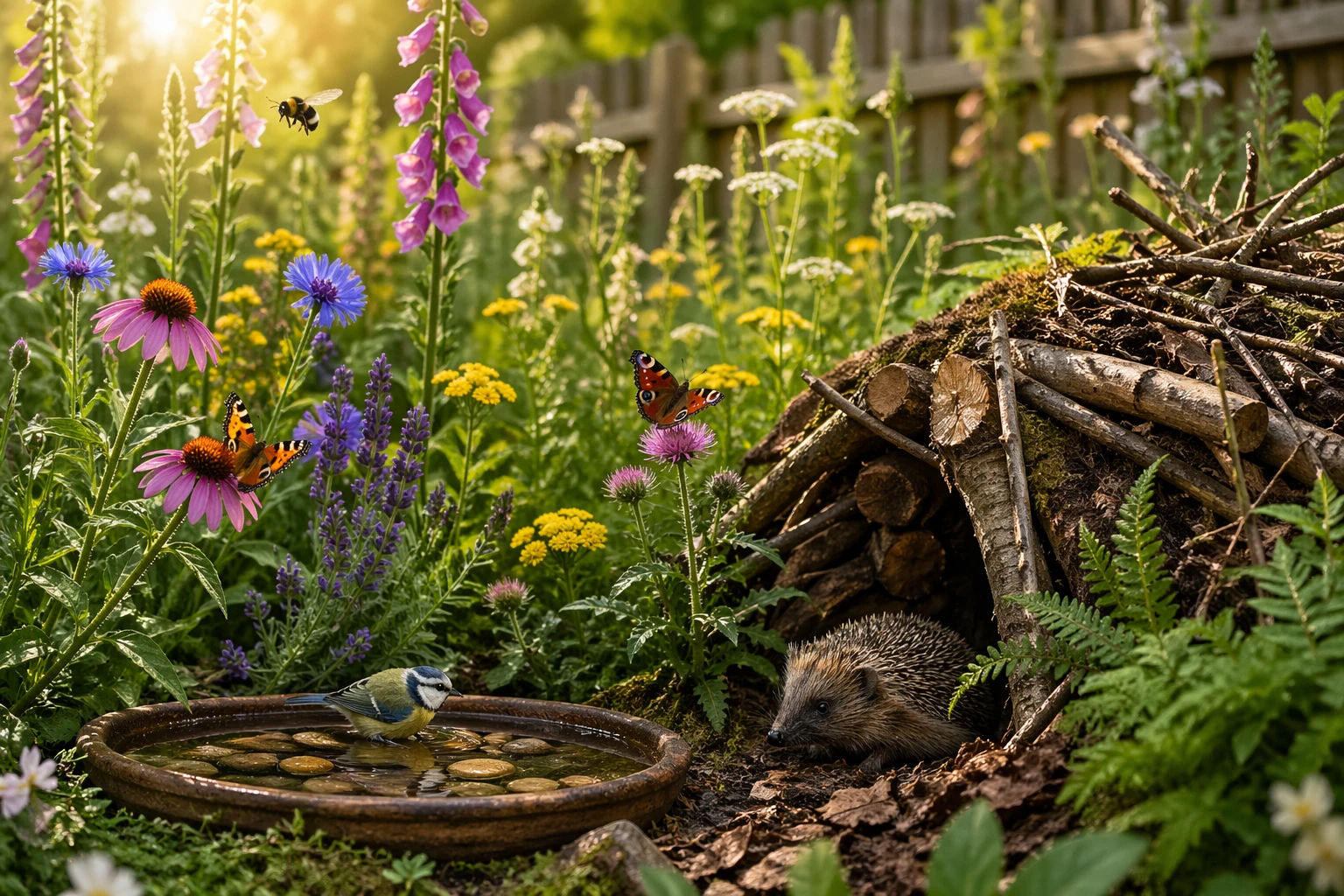
You need a mix of nectar, seeds, and shelter to really see a difference. Prioritize species that serve multiple needs. Native species like Teasels or Foxgloves are perfect. Late-summer nectar for butterflies. Then they produce seed heads that feed goldfinches and sparrows through the autumn.
Stay away from sterile cultivars. They function as little more than biological dead ends. Pretty flowers with no pollen and no seeds. They are useless to wildlife. Check the plant tags carefully. Ask the nursery staff about seed production. If it’s double-flowered, it’s probably a desert for bees.
Group the same species together. Don’t scatter them. Big clusters create a visual impact. It helps pollinators find the nectar source faster from the air. For real inspiration and practical advice on what works locally, study native plant combinations that mimic natural meadows. These arrangements provide a reliable food chain for local species throughout the shifting seasons.
Water: The Overlooked Essential
Reliable water access, often the missing piece, is something wildlife desperately needs. Put a shallow ceramic or stone dish on the ground. That’s it. Simple. Add some pebbles or small stones. Bees need a landing strip so they don’t drown while drinking. They can’t swim. These insects need shallow edges to be safe.
Refresh the water every few days. Do it during the warm months especially. Stop the mosquito breeding before it starts. Frequent changes interrupt the insect breeding cycle in stagnant pools. It keeps the birds healthy too. Keeping that water clean is absolutely vital.
In winter, water is even harder to find for resident species. A birdbath heater or simply checking for ice is a lifesaver when every pond is frozen solid. Place these dishes near shrubs. Birds need a quick escape route if the neighbour’s cat shows up. Safety first. Always.
Leave a Messy Corner
Set aside a portion of the garden as a low-maintenance zone. Think of it as a dedicated lazy zone. Stack pruned branches in piles. It’s a five-star hotel for hedgehogs, amphibians, and ground-nesting birds. No tools required. No construction. Just loose layers with plenty of gaps and cavities.
Stop raking every single leaf. Leaving the leaf litter creates a protective layer for the soil and its inhabitants. That debris isn’t just trash. Butterflies and moths rely on these overwintering habitats to survive the coldest months.
Mark the boundaries with decorative stones. It makes the mess look like a choice. Not neglect. Put these zones at the edge of the property or behind taller plants. They stay out of sight while doing the heavy lifting for the ecosystem. Even a tiny corner turns a garden into a home.
Your garden is more than just a patch of grass; it is a vital lifeline for Britain’s struggling wildlife. By making these simple, intentional changes, you are creating a legacy of biodiversity right outside your back door. Take that first step today and let nature return to your home.
FAQs
Habitat loss and changing land use have reduced access to food and shelter, making survival difficult for many species.
No, even a small outdoor space can provide meaningful support with the right plants and features.
Native plants are best because they provide the food and shelter local insects, birds, and mammals rely on.
Many ornamental or sterile varieties produce little to no nectar or seeds, making them useless for wildlife.
Often surprisingly fast—pollinators, birds, and small mammals can begin appearing within weeks.
Yes, hedges provide shelter, nesting spaces, and food sources, while fences offer none of these benefits.
Water is essential; even a simple shallow dish can support birds, bees, and other small creatures.
It creates a natural habitat where insects, amphibians, and small mammals can hide, nest, and overwinter.
Regular watering is crucial during the first growing season to help roots establish properly.
Yes, when many gardens adopt these practices, they collectively form large, connected habitats that support biodiversity.