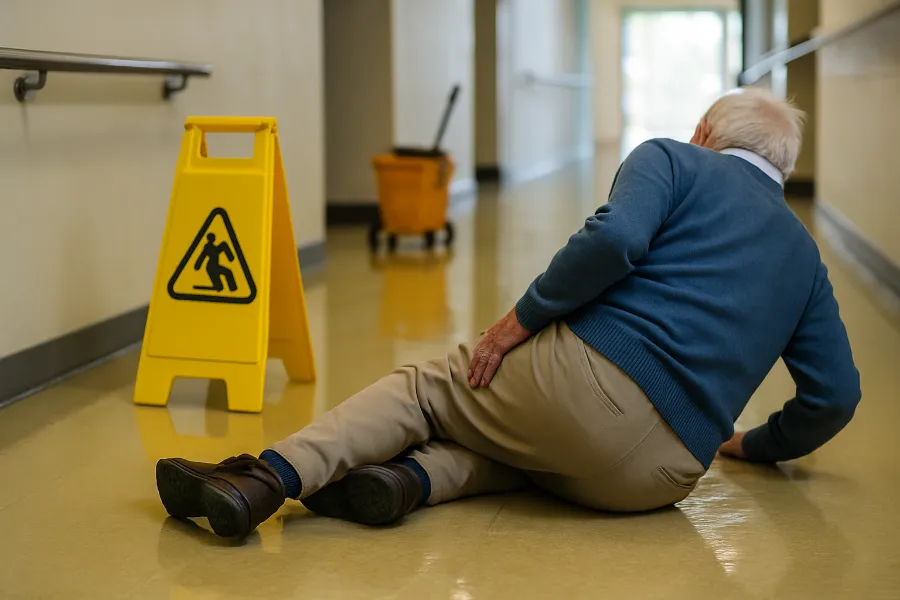
The CDC reports that almost 3 million emergency department visits each year are due to fall injuries among elderly patients.
Slipping and falling are not exclusive to the elderly since young ones can also suffer from these accidents. By and large, such accidents are accompanied by a long-term physical and financial impact. A person can fall due to a hazardous situation, for instance, when a floor is wet, the floor is uneven, or there is poor lighting or clutter on the walkway.
According to slip and fall lawyer Michael Malinowski Jr., obstructions such as items lying around in walkways or aisles and poor lighting are the main causes of these types of injuries. Some falls may only result in minor bruises, while others may lead to serious injuries, such as fractures or head or back injuries. Let’s take a look at the common causes of slip and fall incidents.
Wet and Slippery Surfaces
People often unknowingly walk on freshly cleaned floors, not realizing that the areas could still be slippery. The safest way to avoid these accidents is to take care and follow the basic safety rules. If the public is alert to the floor under their feet, particularly in busier places, the risk of slipping and falling is reduced dramatically. Any error when walking could result in injuries. It is good to be very careful when walking.
One might either walk through the slippery place very slowly or completely avoid it. By assisting one another, a comforting environment is built for everyone. According to the personal injury law firm site https://bartlettgrippe.com/, property owners owe a duty to maintain their properties in reasonably safe conditions for their customers and guests. For persons who are injured as a result of defective or dangerous conditions on someone else’s property, there is often legal recourse available to help you get fair compensation for the injuries you have sustained.
Uneven or Broken Flooring
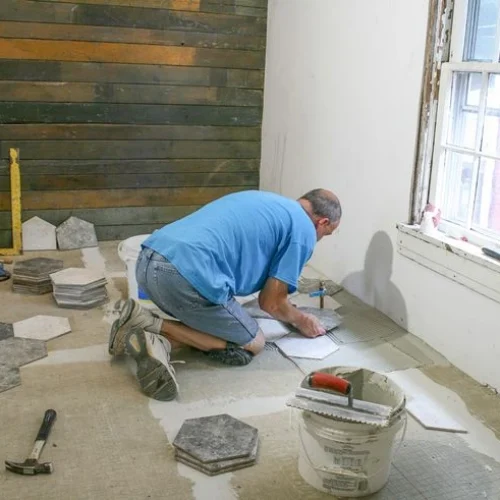
Another reason that serious slip and fall injuries occur is that of uneven or damaged floors. You might ignore little cracks or slightly raised tiles, but they present a great danger.
A slip on an uneven tile may result in a very undesirable situation. For instance, accidents caused by loose floorboards, or even cracked pavements, will help people appreciate how easily the situation can turn disastrous. Feel free to inform the property owners without delay about any broken flooring. They are responsible for taking steps to resolve the issues present in their buildings or property.
Poor Lighting Conditions
A poorly illuminated crossroad can greatly influence the occurrence of a trip-and-fall incident. Insufficient light can conceal such risks as uneven surfaces, which may lead to a fall accident. Lighting that is good makes a place comfortable and secure for you. Areas that are lit up will cut the time of a person’s having to go down and out of the sight of a hazard in a corridor, stairs, or parking area.
If there is any area that needs better lighting, it is your responsibility to voice your opinion. After all, safety is a universal issue that concerns everyone who uses the area. Working together will definitely minimize injuries during poor lighting times.
Cluttered Walkways and Obstacles
Did you once trip on something and wonder how in the world it got there? Unkempt paths and the existence of obstructions can turn a walk into a dangerous affair. The things like shoes, bags, or even the furniture that has been moved can be a great danger.
Walkways should be kept free not only for security reasons but also for the convenience of everyone. If you give priority to safe walking, then your friends, family, and you should easily walk through any area without being aware of it. So take a little time to work on straightening things up. It’s one small step toward making an environment safer.
Inadequate Signage and Warnings
When going through unfamiliar spaces, lack of signage and warning can transform a simple walk into a dangerous activity. Think about the risk that comes with walking on a wet floor without any warning sign or suddenly coming across stairs that give no gradual indication. Being without these signs will make you oblivious to the potential risks you are taking.
In locations where you should feel safe and welcomed, an unclear warning might result in major slips and falls. But it is not just about the physical risk; it’s about feeling at home in your location. Proper signage by companies helps establish a secure and communal atmosphere, allowing people to feel comfortable and enjoy themselves even in areas with potential risks.
FAQs
A slip and fall injury occurs when someone loses balance due to a hazardous condition, leading to harm such as bruises, fractures, or head injuries.
Property owners, managers, or businesses may be held liable if they failed to maintain safe conditions.
Wet floors, uneven surfaces, poor lighting, cluttered walkways, and lack of warning signs are common causes.
Yes. These accidents can occur in homes, workplaces, stores, public sidewalks, and parking lots.
Seek medical attention, document the hazard, take photos, and report the incident to the property owner or manager.
Low lighting makes it hard to see hazards like cracks, spills, or obstacles, increasing the risk of falling.
Uneven tiles, loose floorboards, or cracked pavement can catch feet unexpectedly and cause a sudden fall.
Yes. Visible warning signs alert people to hazards, giving them time to avoid the area or proceed with caution.
You may be eligible to file a claim if negligence caused the unsafe condition that led to your injury.
Improving lighting, keeping walkways clear, repairing damaged flooring, and using hazard warning signs can reduce risks significantly.