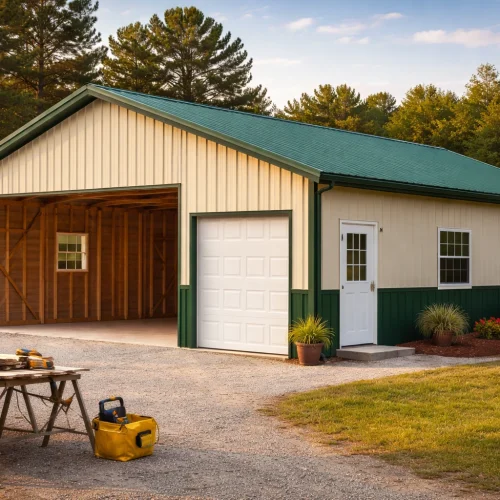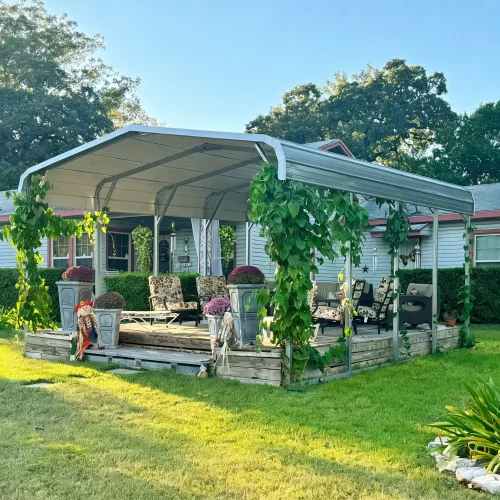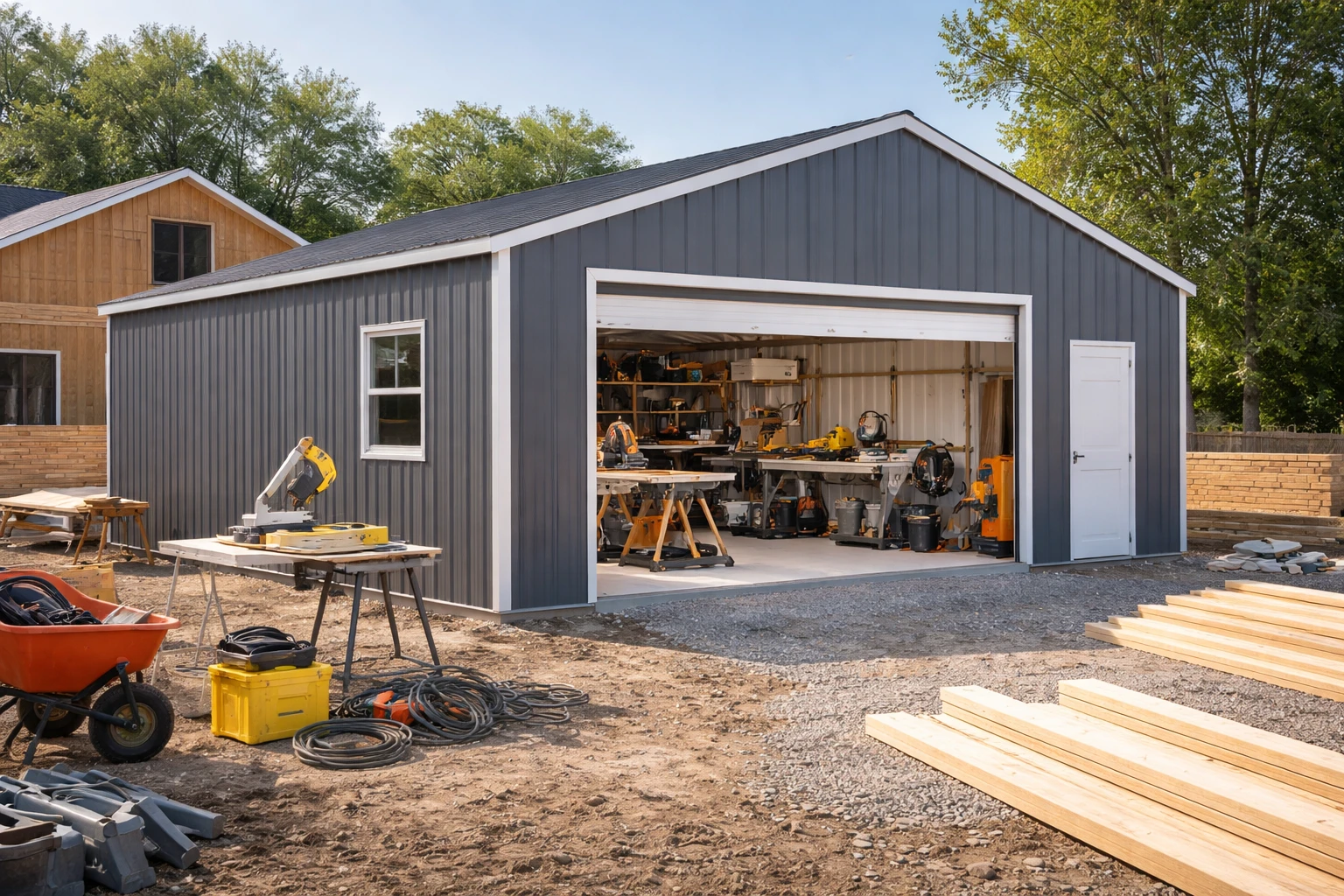
Across the United States, residential renovation and property improvement projects continue to expand as homeowners invest in storage, work areas, and equipment protection. For remodelers, builders, and skilled tradespeople, outdoor structures are no longer treated as secondary additions. They are part of a broader site-planning strategy that affects workflow, material protection, and jobsite safety. In this setting, a metal garage shed has become a practical solution for storing tools, housing equipment, and creating controlled work space on residential properties.
A metal garage shed is useful because it addresses common challenges in home construction. These include exposure to rain, snow, ultraviolet radiation, theft risk, and disorganized storage. On busy renovation sites, even a small delay caused by misplaced tools or damaged materials can affect labor efficiency. A durable enclosed structure helps reduce those problems while supporting cleaner and safer site conditions.
Why Metal Garage Sheds Matter in the United States Housing Market
In many parts of the country, homes have limited garage capacity or no dedicated detached storage area. At the same time, contractors and property owners often need space for lawn equipment, generators, compressors, ladders, and building supplies. A metal garage shed fills that gap by providing a structure that can handle frequent use and changing weather conditions.
This type of structure is often used for:
- Vehicle and trailer storage
- Protection of power tools and materials
- Temporary staging during remodeling work
- Long-term workshop or maintenance space
Common Construction and Home Improvement ApplicationsUse in Residential Projects
During renovation or new build work, crews often need secure storage that is close to the active jobsite. A metal garage shed can be used to separate finished materials from waste, protect sensitive equipment, and maintain a more organized work sequence. After the project ends, the same structure can continue serving the homeowner as a workshop, seasonal storage area, or covered vehicle space.
Efficiency and Productivity Benefits
Efficiency improves when tools and supplies are kept in a dedicated location. Workers spend less time moving materials, searching for equipment, or replacing weather-damaged items. In residential construction, that can improve daily output and reduce unnecessary handling.
Technical Foundations and Performance Factors
The performance of a metal garage shed depends on more than wall panels and roof shape. Builders should evaluate several technical factors before installation:
- Foundation type and site leveling
- Wind and snow load requirements for the local region
- Galvanized or coated steel for corrosion resistance
- Ventilation to manage condensation and interior moisture
- Door size and access layout for tools, machines, or vehicles
Performance, safety, and service life can all be reduced by poor anchoring, weak drainage, improper assembly, or lack of maintenance. Climate also matters. High humidity can increase corrosion risk, while hot regions may require better ventilation to reduce heat buildup.
Safety Considerations and Best Practices
Safety should guide both installation and daily use. A poorly anchored structure can become unstable in strong wind. A poorly ventilated interior can trap moisture, damage stored goods, and create slip hazards. Residential contractors should also account for local code requirements, access clearance, and load conditions.
Best practices include:
- Install the structure on a level and properly prepared base
- Use the correct anchors and fasteners for the surface type
- Inspect roof panels, doors, and frame connections on a regular schedule
- Keep aisles clear and store heavy items low to reduce tipping risk
- Use gloves, eye protection, and lifting support during assembly
Tools, Accessories, Advantages, and Limits
Installation often involves drills, socket tools, anchors, sealants, ladders, and measuring tools. Interior accessories may include shelving, hooks, storage racks, lighting, and ventilation panels. Optional features such as a side door can improve traffic flow and separate pedestrian access from larger equipment entry.
The main advantages of a metal garage shed are durability, pest resistance, lower maintenance needs, and strong storage value. The main limitations are condensation risk, heat gain in warm weather, and the need for a sound foundation system. These limits can often be managed through good planning and correct installation.
Real-World Example and Industry Direction
A small remodeling contractor working on a suburban property used a metal garage shed to store flooring materials, portable saws, and exterior tools during a multi-week project. This reduced material exposure, improved tool control, and kept the main house free of clutter. After project completion, the owner kept the structure for lawn equipment and vehicle storage. A product resource such as the Metal Garage Shed can serve as a reference point for understanding common dimensions, access features, and layout options in this category.
Looking ahead, the market is likely to move toward better coatings, improved ventilation design, and more modular installation systems. For residential construction professionals, the core lesson remains clear: a well-planned metal garage shed can improve organization, protect assets, and support safer jobsite operations over the long term.
FAQs
A metal garage shed is used to store tools, equipment, and materials while providing a secure and organized workspace during construction or renovation projects.
They offer durability, weather resistance, and lower maintenance compared to wood or plastic structures, making them ideal for long-term use.
Yes, it reduces time spent searching for tools and protects materials, which helps maintain smoother workflows and higher productivity.
They can be used in most climates, but proper ventilation and corrosion-resistant coatings are important in humid or hot environments.
A level and stable base, such as concrete or compacted gravel, is essential to ensure structural stability and long-term performance.
They help keep tools organized, reduce clutter, and protect equipment from damage, lowering the risk of accidents and delays.
Shelving, hooks, lighting, ventilation panels, and storage racks are commonly added to improve organization and usability.
Maintenance is minimal but includes checking for rust, inspecting fasteners, and ensuring proper drainage and ventilation.
They can experience condensation buildup and heat retention, but these issues can be managed with proper ventilation and insulation.
Yes, it can serve as a long-term storage space, workshop, or vehicle shelter for homeowners once the project is finished.