This post contains affiliate links. As an Amazon Associate, I earn from qualifying purchases, at no extra cost to you. See our disclosure policy.
Concrete has long been the go-to choice for driveways. It’s strong, widely available, and familiar. For many homeowners, it feels like the “safe” option.
But here’s the question more people are starting to ask: is it actually the best option?
The short answer is – not always.
While concrete has its place, it also comes with limitations that are often overlooked until problems start to appear. Cracking, poor drainage, heat retention, and a fairly rigid aesthetic have pushed many homeowners to explore smarter, more flexible solutions.
Let’s take a closer look at how concrete stacks up – and what viable concrete alternatives you might want to consider instead.
The Appeal of Concrete Driveways
There’s a reason concrete has dominated driveway construction for decades.
- It offers a clean, uniform finish
- It can handle heavy loads when installed correctly
- It requires relatively low day-to-day maintenance
- It’s widely understood by contractors and builders
For straightforward applications, concrete can do the job well. But that doesn’t mean it’s the best fit for every situation.
Where Concrete Falls Short
Concrete’s biggest strengths are also where its weaknesses start to show.
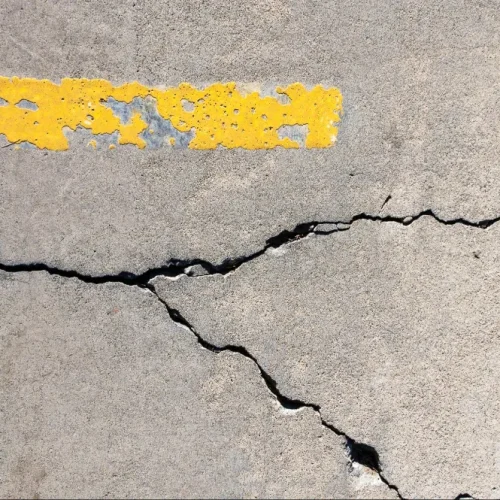
Cracking Over Time
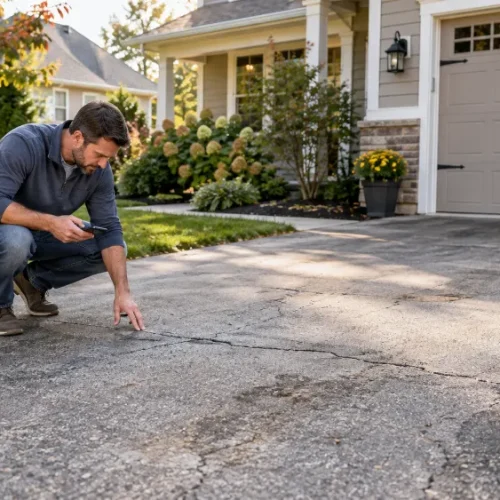
Concrete is rigid. As the ground beneath it shifts – whether due to moisture changes, tree roots, or soil movement – cracks can develop. Once they start, they’re difficult to fix properly without patching or replacing sections.
Poor Drainage
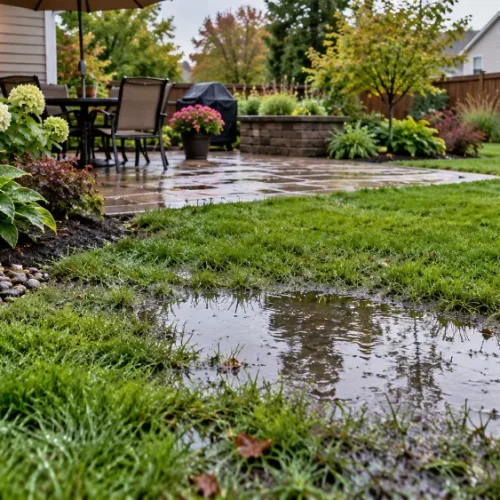
Traditional concrete is non-permeable, meaning water runs off the surface rather than soaking through. This can lead to pooling, erosion, or additional drainage requirements elsewhere on your property.
Heat Retention
Concrete absorbs and retains heat, which can make surrounding areas noticeably hotter – especially in warmer climates.
Limited Flexibility
While finishes like exposed aggregate or coloured concrete exist, design flexibility is still relatively limited compared to other materials.
These drawbacks are why more homeowners are now actively looking into alternatives.
Smarter Driveway Alternatives to Consider
The good news is there are plenty of options that address the shortcomings of concrete while offering their own unique benefits.
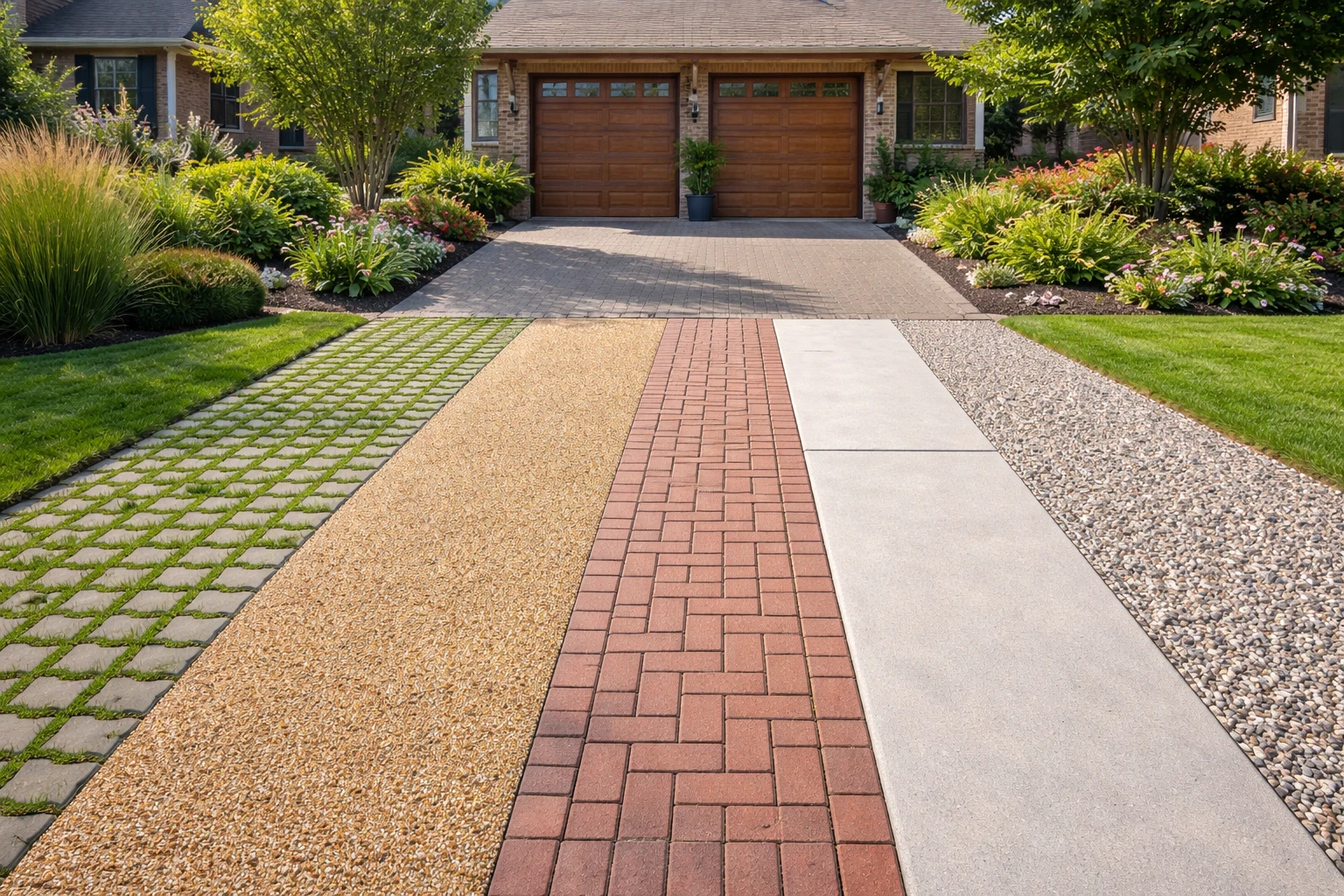
Gravel Driveways
Gravel is one of the simplest and most cost-effective alternatives.
- Excellent drainage
- Easy to install
- Affordable upfront cost
The trade-off is maintenance. Gravel can shift over time and may require occasional topping up or levelling. But for many properties, especially larger or rural blocks, it’s a practical solution.
Permeable Pavers
Permeable pavers are designed to allow water to pass through the surface and into a prepared base layer below.
- Reduces water runoff and pooling
- Helps manage drainage naturally
- Can handle vehicle loads when installed correctly
These systems often use interlocking grids or spaced pavers filled with gravel or grass, creating a surface that is both functional and environmentally friendly.
Resin-Bound Surfaces
Resin-bound driveways combine aggregates with a resin binder to create a smooth, permeable finish.
- Visually appealing and modern
- Permeable when installed correctly
- Low maintenance
They tend to sit at a higher price point, but offer a more polished aesthetic compared to gravel or basic paving systems.
Brick and Stone Pavers
Traditional pavers provide a balance between durability and design flexibility.
- Wide range of colours and patterns
- Easier to repair than concrete (individual units can be replaced)
- Good load-bearing capacity
While they require proper base preparation, they offer far more visual customisation than a standard concrete slab.
Grass or Grid Driveways
For a greener look, grid systems filled with soil and grass are gaining popularity.
- Blends into landscaping
- Allows full water infiltration
- Reduces heat compared to solid surfaces
These systems are particularly useful for low-traffic areas or properties looking to maintain a more natural appearance.
Choosing the Right Option for Your Property
Not all driveway materials are created equal – and the best choice depends on your specific conditions.
Consider factors like:
- Soil type (clay vs free-draining)
- Slope and water flow
- Intended use (light vehicles vs heavy loads)
- Budget and long-term maintenance expectations
- Desired appearance
For example, if drainage is a major issue, permeable solutions will likely outperform traditional concrete. If cost is the primary concern, gravel may be the better fit.
Installation Matters More Than Material
It’s worth noting that even the best material can fail if installed poorly.
A well-prepared base, proper compaction, and attention to drainage are critical regardless of the surface you choose. Many issues people attribute to materials are actually the result of shortcuts during installation.
In other words, the system beneath the surface is just as important as what you see on top.
Are Concrete Alternatives Worth It?
In many cases, yes.
Concrete is still a viable option, but it’s no longer the default choice it once was. Advances in materials and design have made it easier than ever to find solutions that are more adaptable, better for drainage, and often more visually appealing.
Exploring concrete alternatives gives you the opportunity to match your driveway to your property’s specific needs – rather than settling for a one-size-fits-all solution.
Final Thoughts
Concrete has earned its reputation, but it’s not without its drawbacks. For homeowners dealing with drainage issues, cracking, or simply wanting a more modern look, there are smarter options available.
From gravel and permeable pavers to resin-bound surfaces and grid systems, today’s driveway materials offer more flexibility than ever before.
The key is to look beyond what’s familiar and focus on what actually works best for your space. When you do that, you’ll often find that the best solution isn’t concrete at all – but something better suited to the way your property functions day to day.
FAQs
Yes, concrete is still durable and reliable, but it may not be the best choice for every property due to its limitations.
Concrete is rigid, so ground movement, moisture changes, and tree roots can cause it to crack.
Poor drainage is a major issue since traditional concrete does not allow water to pass through.
They can be, especially for drainage, as they allow water to filter through instead of pooling on the surface.
Yes, gravel is affordable and offers excellent drainage, though it requires occasional maintenance.
It’s a surface made from aggregate and resin, creating a smooth, permeable, and visually appealing finish.
Pavers can be just as durable and are easier to repair since individual units can be replaced.
Some do, like resin-bound surfaces, but others like gravel can be more affordable upfront.
Permeable pavers, gravel, and grid systems are excellent choices for managing water flow.
Absolutely—poor installation can cause failure regardless of the material used.