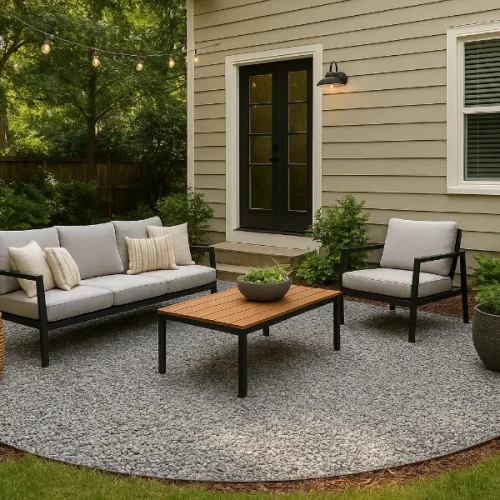
A modern pea gravel patio is one of the most versatile and cost-effective ways to elevate your outdoor living space. Its clean, minimalist aesthetic blends seamlessly with contemporary homes, while its texture and permeability add a natural warmth that harder surfaces can’t provide. Whether you’re designing a sleek urban courtyard or a relaxed backyard retreat, a pea gravel patio can create a durable, stylish foundation that’s both budget-friendly and easy to maintain. This comprehensive guide covers everything you need to know from design inspiration to installation, maintenance, and creative styling tips so you can confidently create a patio that feels modern, inviting, and timeless, while also giving you minimalist backyard design inspiration along the way.
Why Choose a Pea Gravel Patio?
Homeowners today are looking for ways to make outdoor spaces functional and beautiful without committing to costly or high-maintenance materials. Pea gravel offers that balance and supports sustainable landscape drainage practices in many climates.
Key Benefits
- Affordable: Pea gravel is significantly less expensive than poured concrete or natural stone patios, both in material cost and installation effort.
- Easy Drainage: Its natural permeability prevents puddles and runoff, making it ideal for rainy climates and helping reinforce sustainable landscape drainage practices.
- Design Flexibility: Available in various colors and textures, it complements many architectural styles from minimalist and Scandinavian to rustic modern.
- DIY-Friendly: Installation is straightforward, requiring basic tools and no specialized equipment, making it a good fit for DIY backyard fire pit lounge setup projects.
- Eco-Friendly: Because gravel allows rainwater to filter into the soil, it supports sustainable drainage and reduces erosion. For more on how permeable surfaces protect soil health and water flow, see the U.S. Department of Agriculture’s Natural Resources Conservation Service guide on soil drainage.
What Exactly Is Pea Gravel?
Pea gravel consists of small, smooth, rounded stones typically between ⅜ and ½ inch in diameter. Their soft edges make them comfortable underfoot and pleasant to walk on barefoot. These stones are usually river-worn, giving them their signature polished texture and subtle sheen. For a quick material overview, you can review the open encyclopedia reference on gravel composition and types, which explains how small aggregates like pea gravel are categorized in construction and landscaping, similar to how cost comparison of outdoor flooring materials is often evaluated.
Designing a Modern Pea Gravel Patio
A “modern” design emphasizes clean geometry, neutral tones, and a sense of order. Pea gravel can adapt to this aesthetic beautifully if paired with the right layout, edging, and materials.
1. Embrace a Minimalist Palette
Stick to neutral tones grays, soft whites, taupe, or charcoal. These colors harmonize with most home exteriors and create a sleek, calming visual effect. Avoid overly bright or multicolored gravels, which can feel too busy for modern designs and clash with structured modern garden plant arrangements.
2. Define Crisp Lines with Edging
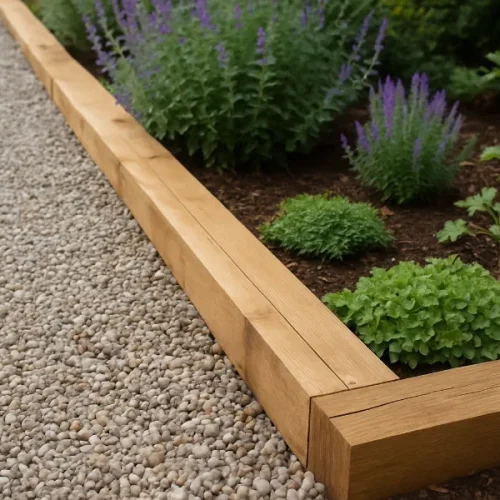
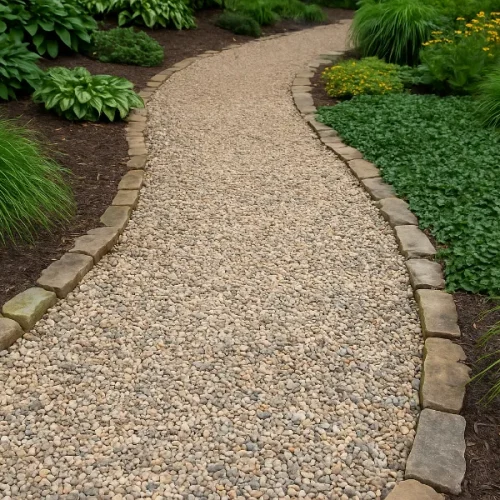
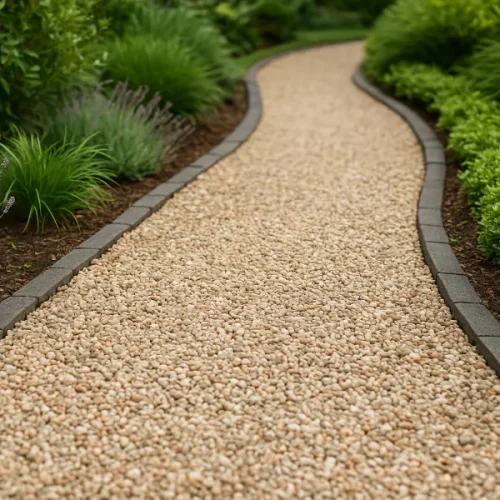
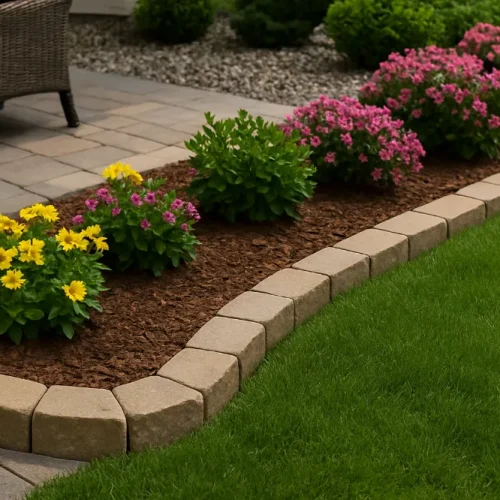
The most important design element of a modern gravel patio is definition. Use strong borders to contain the gravel and highlight the geometric shape of your patio. Steel, aluminum, concrete, or pressure-treated wood edging can provide a clean outline that keeps the gravel neatly in place. This step is closely related to how to install landscape edging for patios effectively.
3. Incorporate Zones and Layers
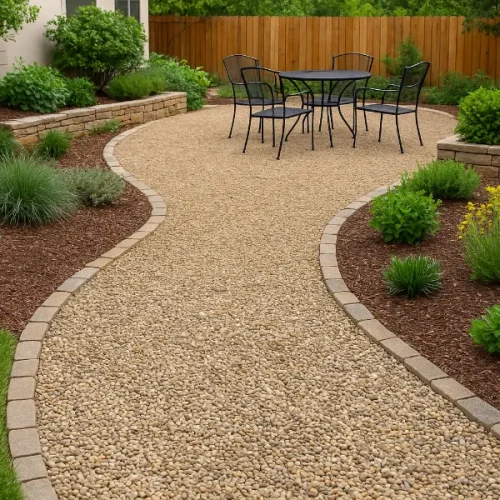
Think of your patio as an outdoor room. Define distinct areas for lounging, dining, or gathering around a fire pit. You can use concrete pavers or stone slabs set within the gravel to create “islands” for furniture or pathways, especially when planning an outdoor ambient lighting ideas for evening entertaining setup.
4. Mix Materials for Contrast
Modern design thrives on contrast. Pair the organic texture of pea gravel with smooth concrete, angular stepping stones, or metal planters. The interplay of textures keeps the design visually engaging while remaining simple and cohesive.
5. Keep Furnishings Streamlined
Opt for outdoor furniture with clean lines, minimal ornamentation, and weather-resistant materials like teak, powder-coated aluminum, or concrete. Neutral cushions and simple silhouettes will make the space feel both modern and inviting, while also working well with contemporary outdoor furniture materials.
6. Integrate Lighting Thoughtfully
Good lighting transforms your patio after dark. Use subtle fixtures recessed deck lights, path lighting, LED strips under benches, or string lights overhead to highlight textures and create a soft, ambient glow. The reflective quality of pea gravel adds a gentle shimmer to evening lighting and pairs beautifully with outdoor ambient lighting ideas for evening entertaining strategies.
7. Landscape Intentionally
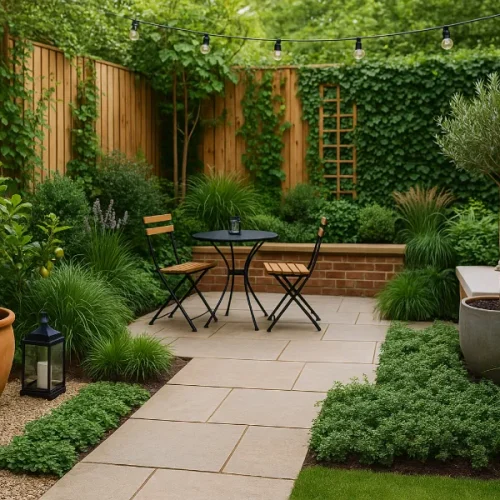
Surround your patio with structured greenery. Ornamental grasses, succulents, boxwoods, or bamboo can frame the space with architectural simplicity. Limit plant varieties to two or three species for a modern, cohesive feel. Low-maintenance plants like low-maintenance ornamental grasses for landscaping are ideal here.

How to Install a Modern Pea Gravel Patio
A well-built base and proper drainage are essential for longevity. Here’s a step-by-step process to ensure your patio looks good and performs well for years.
Materials and Tools You’ll Need
- Pea gravel (determine volume based on area and depth)
- Crushed stone or base rock
- Landscape fabric (weed barrier)
- Edging material (metal, wood, or concrete)
- Shovel, rake, and wheelbarrow
- Plate compactor or hand tamper
- Level
- Garden hose or watering can
Step 1: Plan and Prepare the Site
Outline your patio area using stakes and string or landscape paint. Remove any grass, roots, or debris. Dig down 4–6 inches to allow space for the gravel and base layers. Ensure the area slopes slightly away from your house about ¼ inch per foot for proper drainage.
Step 2: Add and Compact the Base Layer
Spread 3–4 inches of crushed rock or decomposed granite as the foundation. This layer stabilizes the patio and supports drainage. Compact the base thoroughly using a plate compactor or tamper until firm and level.
Step 3: Install a Weed Barrier
Lay landscape fabric over the compacted base. Overlap the edges by 6–8 inches and secure with landscape pins. This layer prevents most weeds from growing while still allowing water to drain through.
Step 4: Set the Edging
Install your chosen edging along the patio perimeter. Metal or concrete edging gives the cleanest modern look, but wood or stone can also work depending on your aesthetic. Make sure it’s level and securely anchored before adding gravel.
Step 5: Spread the Pea Gravel
Pour the pea gravel evenly across the area to a depth of 2–3 inches. Use a rake to distribute it smoothly, and lightly mist the surface with water to help the gravel settle. For a firmer finish, compact it gently with the tamper or plate compactor.
Step 6: Add Finishing Touches
Sweep the surface clean, adjust the gravel depth as needed, and position your outdoor furniture or planters. Step back to admire your modern outdoor retreat—it’s complete.
Cost and Material Estimates
Average Costs
A pea gravel patio typically costs between $7 and $20 per square foot, depending on materials and labor. DIY installation can significantly reduce expenses, often bringing costs down to $2–$5 per square foot.
Example Calculation
For a 10-by-10-foot patio (100 square feet) at a 2-inch depth:
- Volume: 16.6 cubic feet (0.62 cubic yards)
- Material: Approximately 0.85 tons of pea gravel
- Estimated Cost: $50–$150 in materials, excluding base rock and edging
Additional expenses may include:
- Base rock ($30–$60 per cubic yard)
- Edging ($1–$4 per linear foot)
- Landscape fabric ($20–$40 per roll)
- Optional lighting or furniture upgrades
While gravel patios are inexpensive upfront, they may require small top-ups of gravel every few years—still far less costly than resurfacing concrete or replacing pavers.

Maintenance and Longevity
A pea gravel patio can last indefinitely if cared for properly. The stones themselves don’t degrade; maintenance mostly involves keeping the surface even and weed-free.
Routine Maintenance Tips
- Rake regularly: Redistribute gravel after heavy rain or frequent use to keep it level.
- Top up as needed: Add a fresh layer every 2–3 years to maintain depth and color.
- Weed control: Pull any visible weeds or apply an organic weed deterrent.
- Edge upkeep: Check borders to ensure gravel stays contained.
- Clean periodically: Remove fallen leaves, branches, and dirt buildup to prevent moss or compaction.
Seasonal Considerations
- Wet climates: Use adequate base material and ensure proper drainage to prevent washout.
- Dry climates: Rinse the gravel occasionally to control dust and refresh color.
- Cold regions: Pea gravel resists freeze–thaw damage better than concrete, making it ideal for winter climates.
Common Mistakes to Avoid
Even simple projects can go wrong if you skip key steps. Avoid these pitfalls:
- Skipping the base layer: Without proper foundation, gravel will sink or shift unevenly.
- Neglecting edging: Without borders, gravel spreads and loses its crisp shape.
- Ignoring slope and drainage: Poor grading can lead to puddling or erosion.
- Using angular or oversized gravel: Stick to small, rounded stones for comfort and uniformity.
- Setting heavy furniture directly on gravel: For stability, place pads or pavers under chair and table legs.
- Neglecting maintenance: Unraked gravel or unchecked weeds will quickly ruin the clean, modern look.
Creative Styling Ideas for Modern Patios
A pea gravel patio is a blank canvas. Its simplicity makes it easy to style according to your taste.
1. Concrete and Gravel Combo
Lay large concrete slabs in a geometric pattern, leaving gaps filled with pea gravel. This creates a striking grid effect that looks architectural and intentional.
2. Fire Pit Lounge
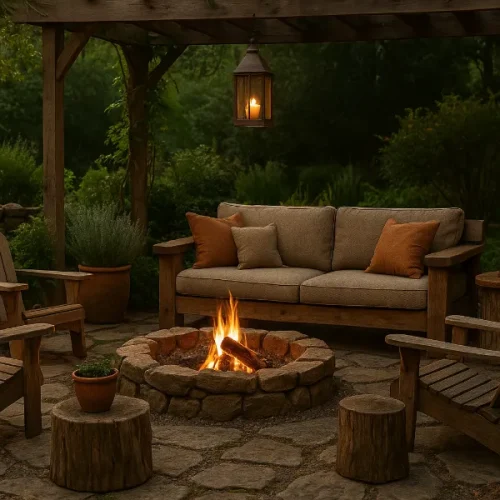
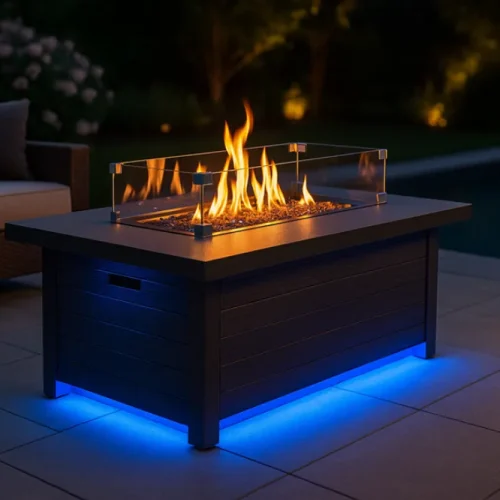
Design a circular or rectangular pea gravel area centered around a modern gas or steel fire pit. Add low-profile seating and side tables for a cozy evening gathering space.
3. Outdoor Dining Terrace
Place a minimalist dining set such as a concrete or teak table with streamlined chairs on the gravel. Define the space with an overhead pergola or canopy for shade and style, particularly when choosing weather-resistant outdoor dining furniture options that hold up year-round.
4. Zen Retreat
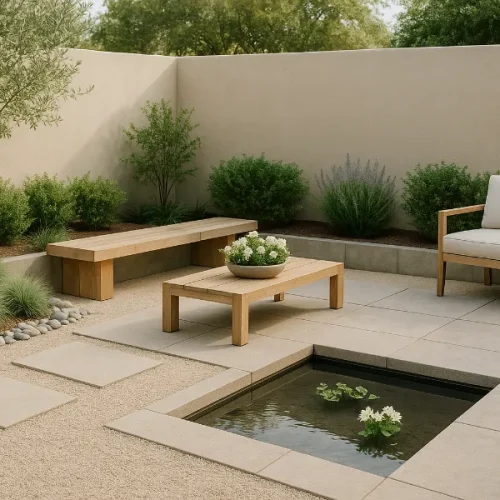
For a meditative atmosphere, surround your gravel patio with bamboo screens or ornamental grasses. Add a single water feature, such as a bowl fountain, for soothing sound and movement while keeping structured modern garden plant arrangements simple and intentional.
5. Mixed Texture Garden
Pair your patio with raised planters in steel or wood. Plant succulents, yucca, or ornamental grasses for low-maintenance greenery that complements the clean modern look.
Pea Gravel Patio Case Example
Imagine a modern home with an open backyard. The homeowner wants a multi-functional space for dining and relaxation without installing expensive concrete. They create a 12-by-16-foot rectangular patio outlined with dark steel edging. After excavating and compacting a base, they install 3 inches of light-gray pea gravel. In one section, four large concrete slabs form a pad for an outdoor dining table. The other side features a round fire pit surrounded by minimalist lounge chairs. String lights hang overhead, and sleek planters line the edges filled with grasses and lavender.
The result: a refined, low-maintenance retreat that looks high-end yet cost a fraction of a traditional patio.
Is a Pea Gravel Patio Right for You?
Best Suited For:
- Homeowners seeking a natural yet modern outdoor space
- DIY enthusiasts who want an achievable weekend project
- Landscapes that need good drainage or flexible design options
- Homes with minimalist or contemporary architecture
Not Ideal For:
- Spaces where rolling furniture (like wheeled chairs) is essential
- Households requiring a perfectly smooth surface for accessibility
- Heavy-use areas where constant compaction would be inconvenient
Final Thoughts
A modern pea gravel patio is the perfect blend of form, function, and affordability. Its natural beauty pairs well with sleek architecture, its installation is straightforward, and its maintenance demands are minimal. With just a bit of planning and creativity, you can design an outdoor space that feels both timeless and contemporary ideal for lounging, dining, and gathering year-round. Whether you’re upgrading an existing backyard or starting from scratch, this project proves that modern design doesn’t have to come with a high price tag. A few weekends of effort can transform your outdoor area into a sophisticated retreat that enhances your home’s value, comfort, and charm for years to come.
FAQs
A modern pea gravel patio uses clean lines, neutral colors, and minimalist design elements like metal edging and geometric layouts.
Typically, 2–3 inches of pea gravel is ideal for stability, comfort, and proper drainage.
Yes. A compacted base of crushed stone or decomposed granite ensures stability and prevents uneven settling.
Not if the patio is properly edged and sloped for drainage. A firm base layer also helps keep gravel in place.
Yes. The small, rounded stones are smooth and comfortable for bare feet compared to sharp or crushed gravel.
Install landscape fabric beneath the gravel and clear debris regularly to reduce organic buildup that encourages weeds.
Absolutely. Pea gravel is heat-resistant and ideal for creating safe, attractive fire pit zones with proper base support.
Every 2–3 years is usually enough to maintain depth and appearance, depending on weather and foot traffic.
Yes. It performs well in most climates—draining easily in rain, resisting freeze–thaw damage, and staying cool in heat.
Metal, concrete, or aluminum edging creates sharp, defined borders that complement contemporary designs.