Concrete may be sturdy and familiar, but it is not always the most affordable, flexible, or visually appealing option for outdoor landscaping. Many homeowners want outdoor areas that feel warm, welcoming, and connected to nature rather than cold and rigid. Fortunately, there are many cost-friendly materials that allow yards, patios, and walkways to look inviting while staying practical and durable.
Whether you’re creating a garden path, a backyard seating area, or a new patio surface, affordable alternatives to concrete can help you achieve a more organic and expressive outdoor design. These materials also support better drainage, reduce heat buildup, and often require less heavy labor or professional installation.
Below are some of the most versatile and budget-friendly alternatives, along with how they perform and where they work best.
Gravel: A Flexible and Budget-Friendly Surface
Gravel remains one of the most adaptable alternatives to concrete. It works well for walkways, patios, fire pit zones, and even driveways when compacted properly. Gravel adds sound, texture, and flexibility to a space. If it shifts or thins, it can be quickly refreshed by raking and adding more material.
Different types of gravel offer different experiences:
- Pea gravel: smooth, comfortable underfoot, great for foot paths
- Crushed stone: angular and firm, good for high-traffic zones
- Decomposed granite: sandy and compact, suitable for patios and pathways
Gravel is especially useful for homes on sloped land, as it conforms naturally to the terrain. To reduce shifting, use edging like metal, timber, or brick around borders.
Mulch Pathways for Soft, Natural Walkways
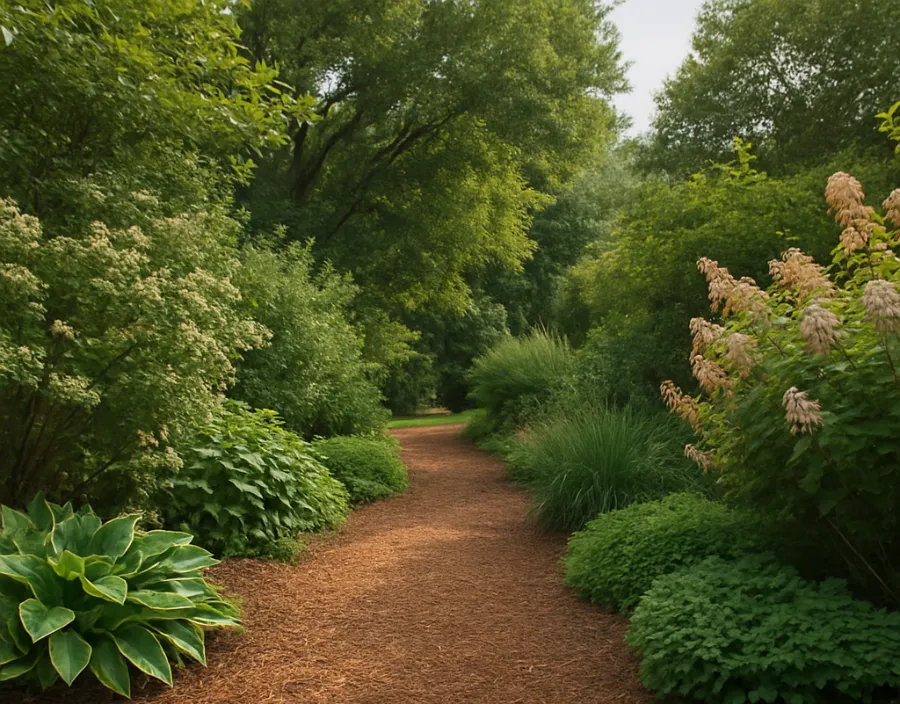
Mulch is popular for garden beds, but it also makes gentle, earthy walking paths. Mulch pathways feel cushioned and blend easily into garden landscapes, especially in wooded or cottage-style yards. Mulch is inexpensive and simple to replace as it breaks down.
However, because mulch decomposes over time, it is best for low-traffic walkways. To add structure, consider placing stepping stones within the mulch path. This balances softness with walkability.
Brick Surfaces for Warmth and Character
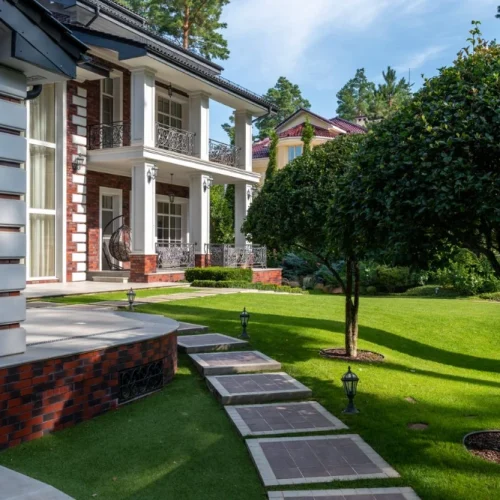
Clay brick is a classic alternative that brings warmth and a sense of history. Brick allows creativity through layout patterns such as herringbone, basket weave, and running bond. It is also permeable, letting rainwater pass between joints.
Brick works especially well in:
- Patios designed for dining or entertaining
- Front paths that add curb appeal
- Garden walkways that benefit from texture and color variation
For best results, install brick on a compacted gravel or sand base with edging to keep the layout secure.
Pavers for Customizable, Durable Surfaces
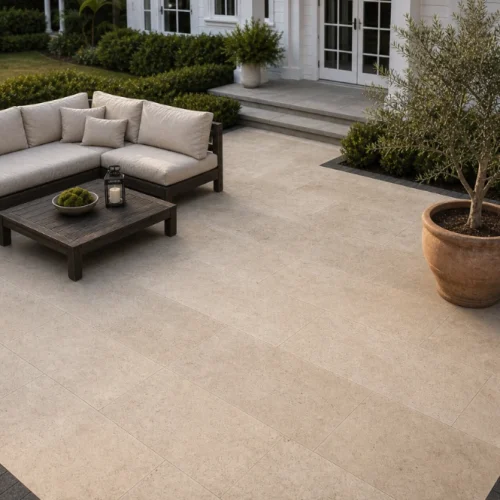
Pavers are pre-formed stones made from concrete, clay, or composite blends. They provide consistent sizing, making installation easier than natural stone. Pavers are durable, replaceable, and allow water to drain between joints.
Advantages of pavers include:
- They resist cracking better than poured concrete.
- A single damaged paver can be replaced easily.
- They come in many shapes, colors, and textures.
- They work well for high-traffic patios and driveways.
The cost may be slightly higher than gravel initially, but long-term maintenance is minimal and reliability is high.
Stepping Stones: Functional and Decorative
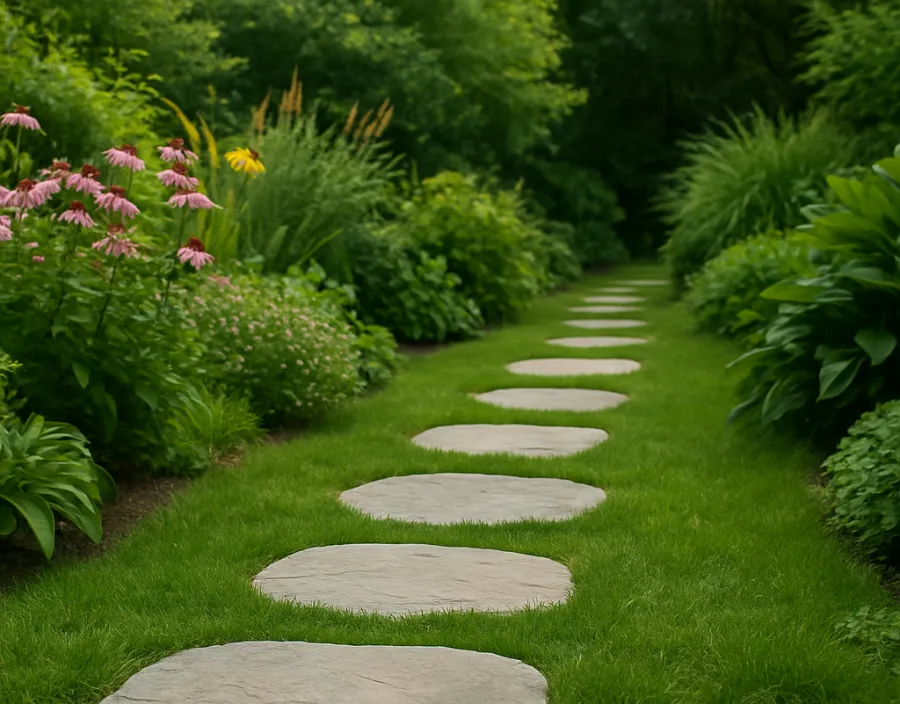
Stepping stones create pathways that feel playful and artistic. They are ideal for lawns, gardens, and spaces where you want to protect plant growth while still guiding foot movement.
Stepping stones can be:
- Natural slate, sandstone, or limestone
- Precast concrete in organic or geometric shapes
- Custom-arranged to reflect curves or straight paths
Spacing stepping stones and surrounding them with grass, gravel, or groundcover plants adds softness and interest.
Decomposed Granite for Earthy, Stable Surfaces
Decomposed granite (DG) compacts into a firm but permeable surface. It has a fine, sandy texture that works especially well in dry climates. DG is excellent for:
- Courtyard patios
- Garden walkways
- Seating areas around fire pits
For more durability and less dust, use stabilized DG. It binds the surface and reduces erosion while maintaining a natural look.
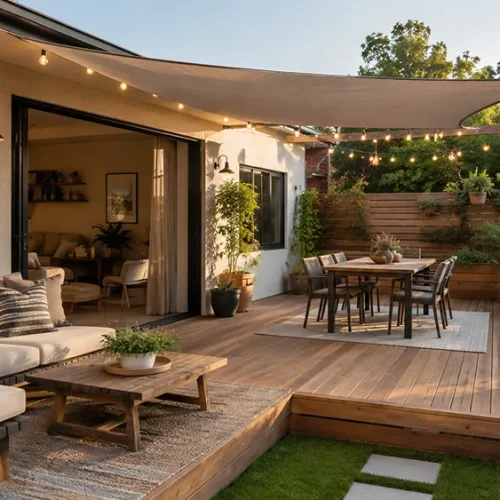
Wood Decking for Warm, Elevated Living Spaces
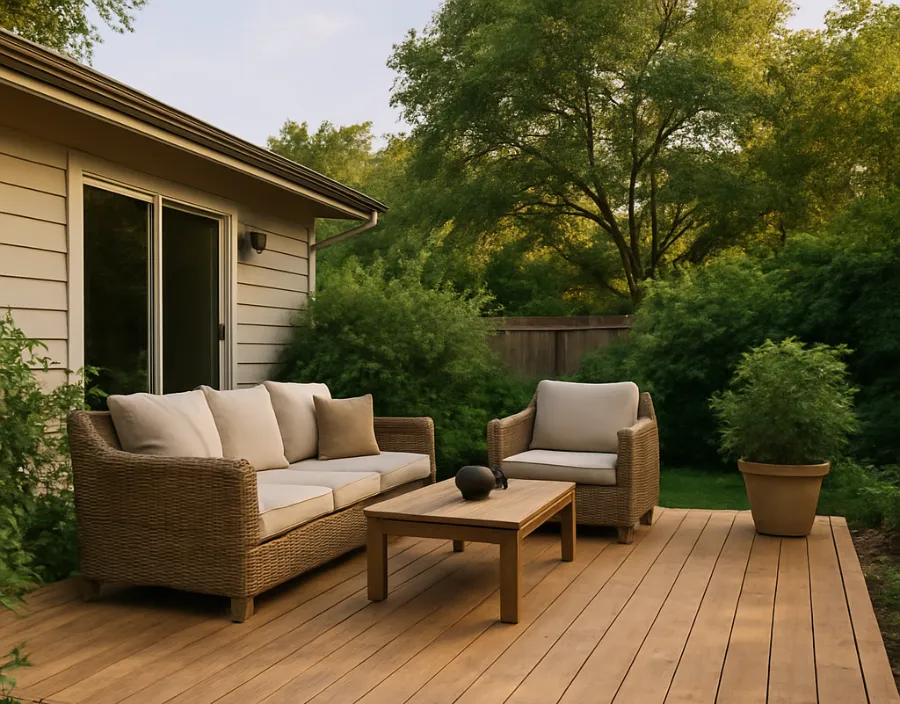
Wood decks provide a soft, warm surface that works beautifully for outdoor lounging and dining. They can be built over uneven ground, making them ideal where a concrete slab might require heavy grading.
Affordable wood options include:
- Pressure-treated pine
- Cedar
- Composite lumber (low-maintenance alternative)
Decks can create outdoor “rooms,” dividing a yard into purposeful gathering areas. They do require occasional sealing, but careful material selection reduces long-term work.
Cobblestone for Old-World Character
Cobblestones create charming, historical-style surfaces that age beautifully. Although often more expensive per stone, cobblestones last for decades with little maintenance and add unique character. They are particularly effective for driveways and entryway paths.
Living Pathways Using Grass or Groundcover
Instead of paving everything, some homeowners use groundcover plants to create living, breathable pathways and patios. These surfaces stay cool, absorb rainwater, and feel gentle underfoot.
Popular groundcovers:
- Creeping thyme (soft, fragrant, handles foot traffic)
- Clover (low-maintenance and drought-tolerant)
- Dwarf mondo grass (clean, low-growing texture)
Living pathways can be paired with stepping stones for structure and ease of movement.
Combining Materials for Visual Balance and Cost Savings
Some of the best landscapes use combinations, which allows for creativity and budget control.
Examples:
- Gravel patio with a brick border to frame the space
- DG path with stepping stones for stability
- Wood deck connecting to a paver courtyard
- Stepping stones surrounded by creeping thyme
Mixing materials allows each surface to serve its purpose while supporting the overall design.
Final Thoughts
Concrete is reliable, but it is not always the most inspiring or cost-effective option for outdoor design. Alternatives like gravel, brick, DG, stepping stones, mulch, wood, pavers, and living groundcovers create outdoor spaces that feel softer, warmer, and more connected to nature. They also make it easier to modify or expand the space later without demolition or heavy construction.
A yard should feel like an extension of life inside the home: welcoming, breathable, and expressive. With thoughtful material choices, your outdoor space can reflect your personality, suit your climate, and stay within your budget.
FAQs
Gravel is typically the most affordable option because it’s easy to install and replace.
Yes, compacted gravel works well for driveways, especially when properly edged to prevent shifting.
Mulch breaks down naturally and may need replenishing every year or two, depending on foot traffic and weather.
Pavers may have a higher upfront cost, but they are easier to repair and often last longer than concrete slabs.
Stabilized decomposed granite holds its form better and reduces mud during wet conditions.
Brick, groundcover plants, and light-colored gravel tend to stay cooler than concrete in direct sunlight.
Some wood types require sealing or staining, but choosing composites or naturally rot-resistant lumber reduces upkeep.
Yes, stepping stones can be placed directly in grass or groundcover to create natural-looking walkways.
Brick usually provides good traction, but moss or algae buildup can make it slick if not cleaned occasionally.
Consider climate, drainage, usage, maintenance preferences, and the overall style you want to achieve.