This post contains affiliate links. As an Amazon Associate, I earn from qualifying purchases, at no extra cost to you. See our disclosure policy.
Few outdoor upgrades can transform a home’s first impression as effortlessly as a well-designed walkway. Whether winding through a garden, connecting patios, or leading to a front door, a pea gravel walkway adds timeless charm and natural texture without the high costs or permanence of concrete. It’s a blend of function, flexibility, and aesthetic appeal that’s equally suited for rustic gardens, coastal cottages, or sleek modern homes. This guide explores everything you need to know about planning, installing, and maintaining a low-maintenance garden pathway design from the first shovel of soil to the finishing touches that make it look professionally built.
What Is Pea Gravel?
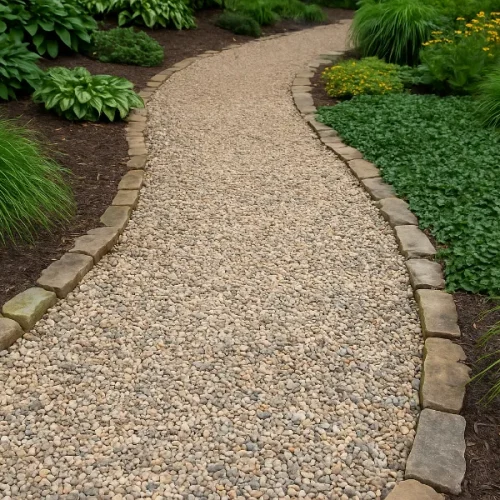
Pea gravel consists of small, rounded stones generally about one-eighth to three-eighths of an inch in diameter that resemble peas in both size and shape. These stones are naturally tumbled smooth by water or machine, creating a soft, polished texture that’s easy on feet and gentle in appearance. Pea gravel is often made from river rock, limestone, or granite and comes in a range of natural hues creamy beige, tan, gray, rust, or even subtle pinks. The small, round stones sit loosely on the ground, creating a surface that feels organic and blends seamlessly into almost any landscape design.
Why Choose a Pea Gravel Walkway
1. Affordable and Accessible
Among the various materials available for outdoor paths pavers, bricks, flagstones, or concrete affordable landscaping alternatives to concrete like pea gravel stand out as one of the most budget-friendly. The materials are inexpensive, easy to source locally, and don’t require special tools or heavy machinery to install. For DIYers, it’s a DIY backyard walkway using pea gravel that can often be completed in a weekend.
2. Natural Drainage and Erosion Control
Pea gravel is naturally permeable. Rainwater easily passes through the gaps between stones, preventing puddles and reducing runoff a major advantage in areas with heavy rain or clay soil. The gravel surface acts like a drainage solution for gravel walkways, making it an eco-friendly choice compared to impermeable materials like asphalt or poured concrete.
3. Adaptable to Any Design
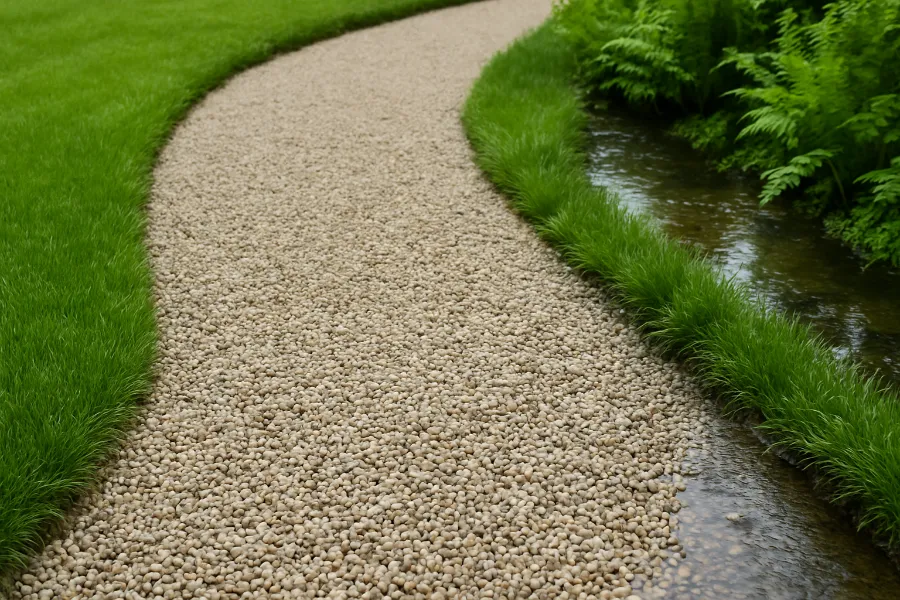
Pea gravel’s flexibility means you can design virtually any path shape curved, straight, meandering, or geometric. It’s forgiving around trees or garden beds, where roots and uneven terrain can complicate hardscaping. It can also be easily modified later if you want to extend, reshape, or connect it with other outdoor areas.
4. Easy to Install
You don’t need a team of contractors or expensive equipment to build a pea gravel walkway. With a few tools, some manual labor, and careful planning, homeowners can achieve professional results on their own. Later in this guide, we’ll cover how to install a pea gravel path with edging for long-lasting results.
5. Aesthetic Appeal
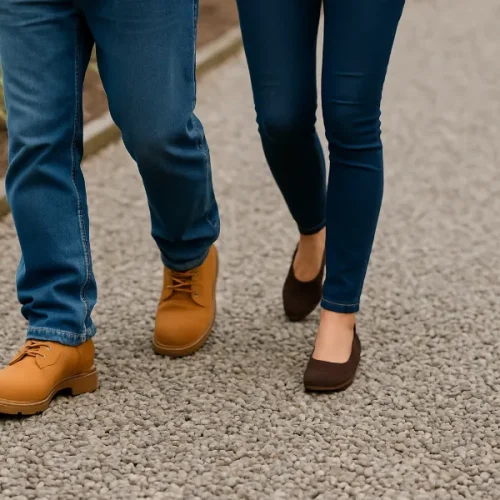
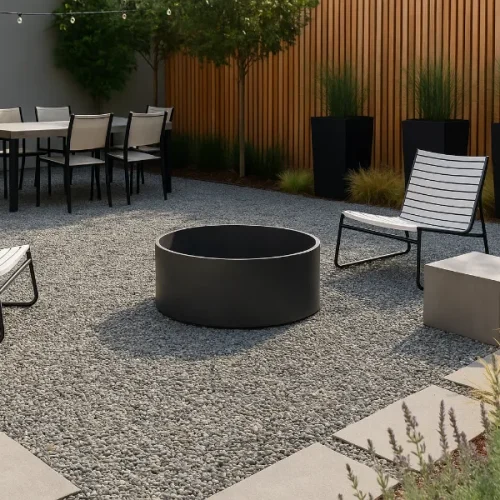
The soft crunch underfoot, natural hues, and subtle shimmer of rounded stones give pea gravel a timeless, inviting look. It’s the kind of material that never looks out of place whether surrounding a modern patio or defining a cottage garden path. Many homeowners use modern front yard walkway inspiration drawn from design magazines to incorporate pea gravel into sleek, minimalist outdoor layouts.
Potential Drawbacks
Like any material, pea gravel has a few trade-offs. Understanding these ahead of time helps you make the best choice for your space.
- Shifting Surface: Because the stones are round and loose, the surface may shift underfoot, especially in high-traffic zones or on slopes.
- Migration: Without proper edging, gravel tends to scatter into lawns or planting beds over time.
- Maintenance: While low-cost, it does require occasional raking and topping off.
- Weed Growth: Without a barrier fabric, weeds can creep through the gravel base so knowing how to prevent weed growth under pea gravel is essential.
Most of these issues are preventable through careful installation, which we’ll cover next.
Planning the Perfect Walkway
Define the Purpose
Think about how the walkway will function. A narrow, curved garden path doesn’t need to be as sturdy as a main front walkway leading to your door. Determine whether it will handle frequent traffic, wheelbarrows, or pets. The heavier the use, the thicker the base you’ll need.
Choose the Location
Identify natural flow patterns in your yard. Where do people naturally walk? Where do you want them to go? A good walkway feels intuitive guiding movement without obstruction. Avoid low-lying areas that tend to collect water, unless you plan for extra drainage. Gentle slopes are fine but will require deeper edging to prevent gravel from washing away.
Select the Shape and Width
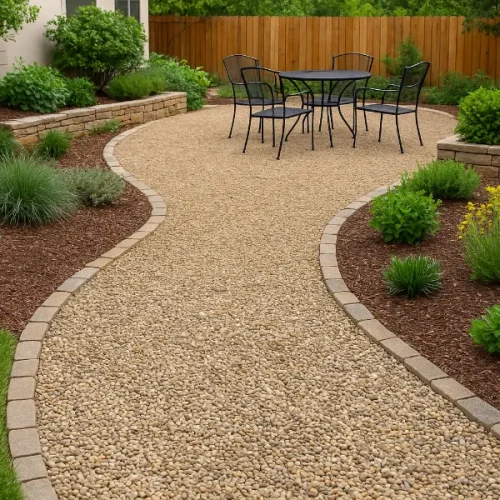
Most walkways look best between 3 and 4 feet wide, giving enough room for two people to walk side-by-side. Use a garden hose or rope to outline the route and experiment with different curves before committing. Straight lines create a formal look that suits contemporary architecture, while gentle curves make the space feel more natural and relaxed perfect for a eco-friendly pea gravel walkway idea that complements surrounding plant life.
Estimate Materials
To calculate how much pea gravel you’ll need:
Multiply the path’s length × width × depth (in feet).
Divide by 27 to convert to cubic yards.
Add 10% for leveling and replenishment.
A 3-foot-wide, 20-foot-long walkway at 3 inches deep requires roughly 0.55 cubic yards of gravel about one ton.
Materials and Tools You’ll Need
Materials:
- Pea gravel (2–3 inches deep)
- Crushed stone or road base (2–4 inches deep)
- Landscape fabric or weed barrier
- Edging (metal, stone, brick, or wood)
- Stakes or landscape pins
Tools:
- Shovel and rake
- Wheelbarrow
- Measuring tape
- Tamper or plate compactor
- Garden hose or spray paint for layout
- Gloves and safety glasses
Step-by-Step Installation
Step 1: Mark and Excavate
Mark your pathway using stakes and string or spray paint. Dig the trench about 4–6 inches deep — enough to accommodate both the base and the pea gravel layers. Remove any roots, sod, or debris. Compact the soil to form a stable foundation.
Step 2: Install Edging
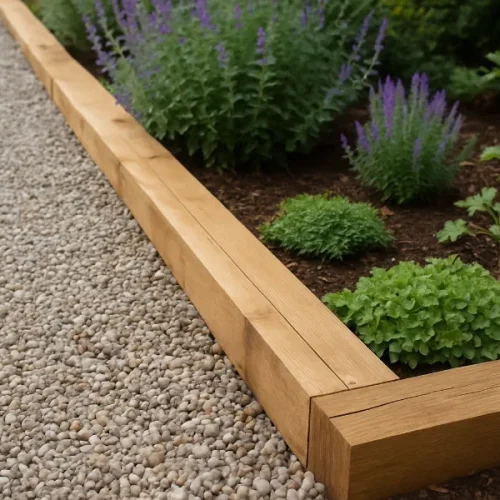
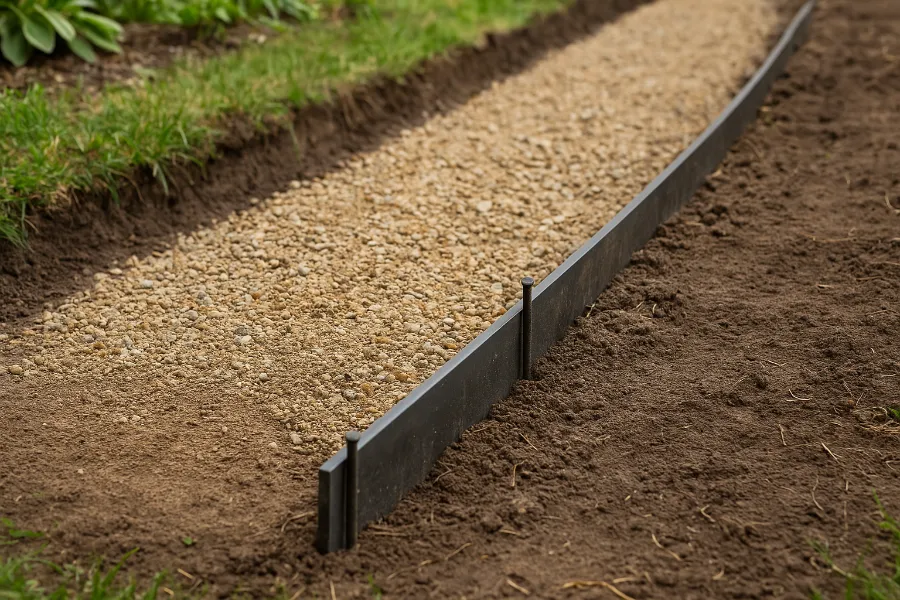
Place edging along both sides of the trench. The edging should rise slightly above the final gravel surface to contain the stones. Secure it firmly with stakes or anchors. Metal or stone edging creates a clean, long-lasting boundary, while wood edging offers a more natural, rustic appearance.
Step 3: Add a Crushed Stone Base
Spread 2–4 inches of compactable base material (like crushed stone or gravel mix). This sub-base gives the walkway structure and prevents the pea gravel from sinking into the soil. Compact it thoroughly with a tamper or plate compactor until firm and level ensuring you’ve used the best base material for pea gravel walkway stability.
Step 4: Lay the Weed Barrier
Roll out landscape fabric over the compacted base. Overlap seams by 6 inches and secure the edges with landscape pins. This layer helps block weed growth while allowing water to pass through easily.
Step 5: Pour and Level the Pea Gravel
Pour the pea gravel evenly over the walkway to a depth of about 2–3 inches. Rake it until level and smooth, then lightly compact it by walking on it or using a tamper. The final surface should sit just below the top of your edging for a clean finish.
Step 6: Water and Settle
Lightly water the path to help the gravel settle into place. This also washes away dust and reveals the true color of the stones.
Design and Styling Ideas
A pea gravel walkway is simple in principle but rich in design potential. Here are some creative ways to make it stand out.
Combine Textures
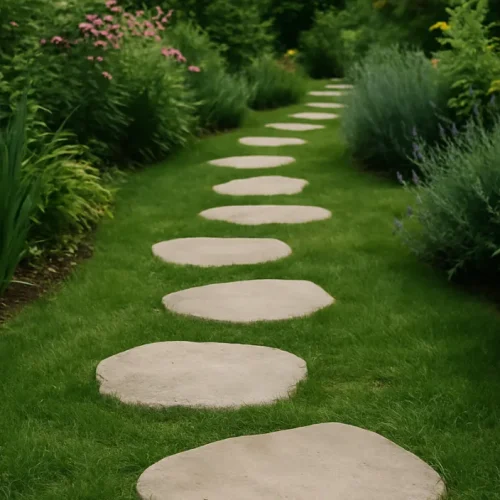
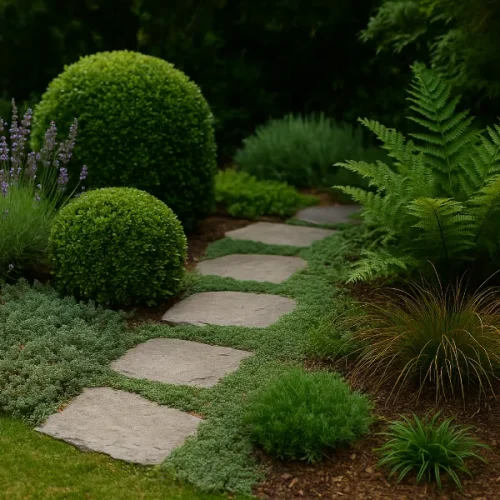
Blend pea gravel with larger stepping stones, flagstone slabs, or pavers. The contrast between smooth gravel and solid stone creates visual rhythm and better footing in heavy-use areas.
Frame with Greenery
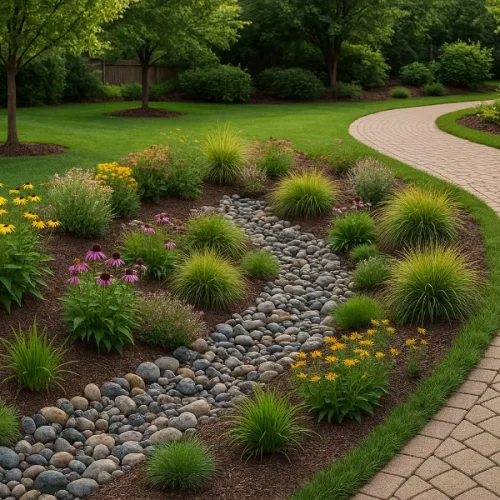
Plant low-growing borders like thyme, lavender, sedum, or ornamental grasses along the edges. These plants soften the hardscape, add fragrance, and visually anchor the path within the landscape.
Incorporate Lighting
Low-voltage or solar-powered path lights enhance nighttime safety while highlighting the walkway’s curves and textures. Warm-toned lighting pairs beautifully with the natural colors of pea gravel.
Play with Color and Shape
Different pea gravel shades can change the mood of your outdoor space. Lighter gravel brightens shady areas, while darker tones add depth and contrast near patios or decks. A curved walkway adds movement, while a straight line emphasizes order and direction.
Add Accents
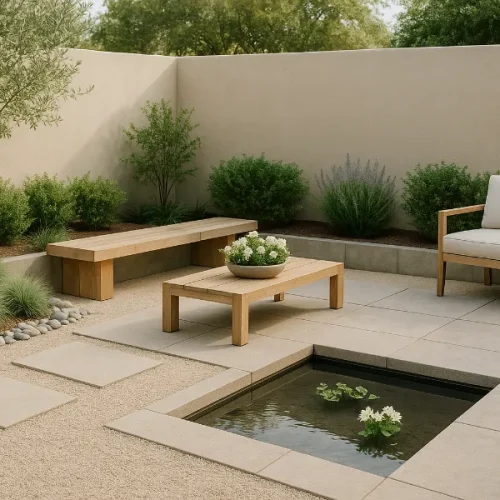
Use decorative boulders, garden sculptures, or container plants as focal points along the path. Small seating nooks or benches beside a pea gravel walkway can transform it from a functional element into a relaxing retreat.
Cost Overview
The affordability of pea gravel walkways is one of their biggest draws. Costs can vary based on region, material type, and whether you do the work yourself or hire professionals.
| Expense | Average Cost (USD) |
|---|---|
| Pea gravel | $10–$50 per ton |
| Crushed stone base | $20–$40 per ton |
| Edging materials | $1–$5 per linear foot |
| Landscape fabric | $0.10–$0.30 per sq. ft. |
| DIY total (materials only) | $2–$5 per sq. ft. |
| Professional installation | $7–$20 per sq. ft. |
DIY installation saves significantly on labor, but professional help ensures precise grading and drainage for long-term stability.
Maintenance and Care
Maintaining a pea gravel walkway is straightforward but important. With a few minutes of attention each season, your path will stay clean and level for many years. For detailed land management and erosion prevention guidance, refer to the U.S. Department of Agriculture’s Natural Resources Conservation Service (NRCS), which offers sustainable methods for maintaining healthy soil and landscapes.
Seasonal Raking
Use a landscape rake to redistribute stones evenly, especially after heavy rain or frequent use. This keeps the surface level and prevents dips from forming — one of the key seasonal maintenance tips for gravel paths.
Replenish Gravel
Over time, some stones will migrate or settle. Add a fresh layer of pea gravel every one to two years to maintain ideal depth and appearance.
Weed Management
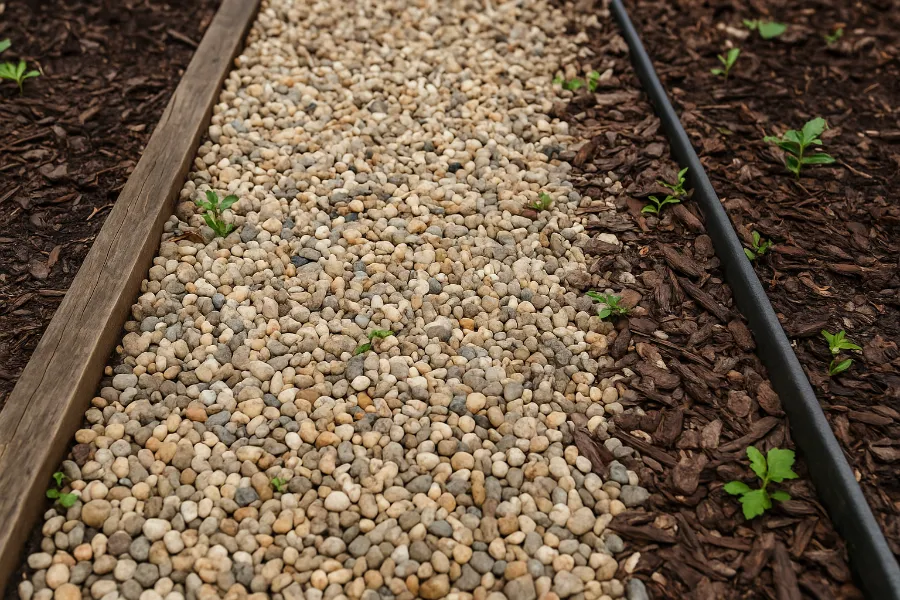
Even with a barrier, a few weeds may appear. Remove them promptly by hand or use an organic weed control spray. Mulch the path’s edges to prevent seed infiltration.
Edge Control
Check edging regularly to ensure it remains upright and intact. Tighten stakes or replace damaged sections as needed.
Clean and Refresh
Sweep stray gravel back onto the path. If the stones appear dusty or dull, a quick rinse with a hose can revive their color and texture.
Common Problems and Solutions
| Issue | Cause | Fix |
|---|---|---|
| Soft or uneven spots | Poor base compaction | Remove gravel, compact base more firmly, and refill |
| Weeds sprouting | Missing or damaged fabric | Replace barrier and spot-treat problem areas |
| Gravel scattering | Weak edging or sloped ground | Reinforce edging and add stabilizing grids |
| Puddles forming | Improper slope or drainage | Regrade the base to direct water off the path |
| Thinning gravel layer | Natural settling and wear | Top up gravel annually |
Preventing these issues is mostly a matter of starting with a strong base and maintaining it consistently.
Adapting for Climate
In Rainy Regions
A thick base layer and secure edging are essential to prevent washout. Using angular gravel beneath the pea gravel helps lock the rounded stones in place.
In Hot, Dry Areas
Lighter-colored gravel reflects heat and keeps walkways cooler to walk on. Incorporating drought-tolerant plants alongside the path creates a harmonious desert-style aesthetic.
In Cold Climates
Pea gravel won’t crack or heave like concrete during freeze-thaw cycles. When snow shoveling, use a plastic shovel and set it slightly above the gravel layer to avoid scooping stones.
Eco-Friendly Advantages
Choosing eco-friendly pea gravel walkway ideas offers one of the most sustainable paving solutions available. Unlike asphalt or poured concrete, it’s completely permeable, allowing rainwater to soak back into the ground naturally. This reduces runoff, minimizes erosion, and supports groundwater recharge.
It also doesn’t require energy-intensive manufacturing just sorting, washing, and transporting. And when you eventually change your landscape, the gravel can be reused or relocated with zero waste.
Design Integration in Your Landscape
A pea gravel walkway shouldn’t feel like an afterthought it should tie your landscape together. Think of it as a spine that connects outdoor zones: patios, gardens, play areas, or side yards.
You can use it to:
- Guide visitors from driveway to front door.
- Create a serene stroll through a flower garden.
- Define transitions between grassy and hardscaped zones.
- Frame water features, pergolas, or outdoor seating areas.
Because of its organic appearance, it blends seamlessly with lawns, mulch beds, and rock gardens. Whether your property is small or sprawling, it can add both structure and softness to the overall layout.
Longevity and Value
When properly installed, a pea gravel walkway can last decades. Its loose nature means individual stones can be replenished rather than the entire surface needing replacement. Over time, the gravel may even develop a patina that enhances its rustic charm.
Beyond durability, it also adds curb appeal and resale value. Buyers appreciate low-maintenance, attractive landscapes, and a pea gravel walkway signals thoughtful design without excessive cost.
Final Thoughts
A pea gravel walkway offers one of the best returns on effort and investment for any homeowner seeking a functional yet beautiful landscape upgrade. It’s easy to install, gentle on the environment, and endlessly adaptable to different styles. Whether leading to a garden bench, wrapping around a flower bed, or greeting guests at your front porch, this simple feature adds instant texture and sophistication. With careful planning, a solid base, and consistent upkeep, your walkway will remain an elegant, enduring part of your outdoor living space for years to come.
FAQs
Pea gravel offers a smooth, natural look that suits most landscape styles. It’s affordable, drains well, and is easy to install for DIY projects.
Aim for 4–6 inches total—2–3 inches for compacted base material and 2–3 inches of pea gravel on top for comfort and stability.
Yes. Edging prevents gravel from spreading into lawns or beds and keeps the walkway neat over time.
You can, but it may feel uneven depending on gravel size. Smaller, smoother stones provide a more comfortable surface underfoot.
Install a landscape fabric or weed barrier beneath the gravel. Regular maintenance and spot removal will also keep weeds under control.
If properly edged and installed with a firm base, it holds well. On slopes, you may need stabilizing grids or a deeper sub-base.
DIY projects typically cost $2–$5 per square foot, while professional installation ranges from $7–$20 depending on materials and labor.
Inspect annually and top off every 1–2 years to maintain even depth and prevent thin spots from forming.
Yes. Combining stepping stones with gravel improves traction, adds visual interest, and reduces displacement in high-traffic areas.
Yes. It’s a natural, permeable material that promotes drainage, prevents runoff, and integrates beautifully with eco-conscious landscaping.