This post contains affiliate links. As an Amazon Associate, I earn from qualifying purchases, at no extra cost to you. See our disclosure policy.
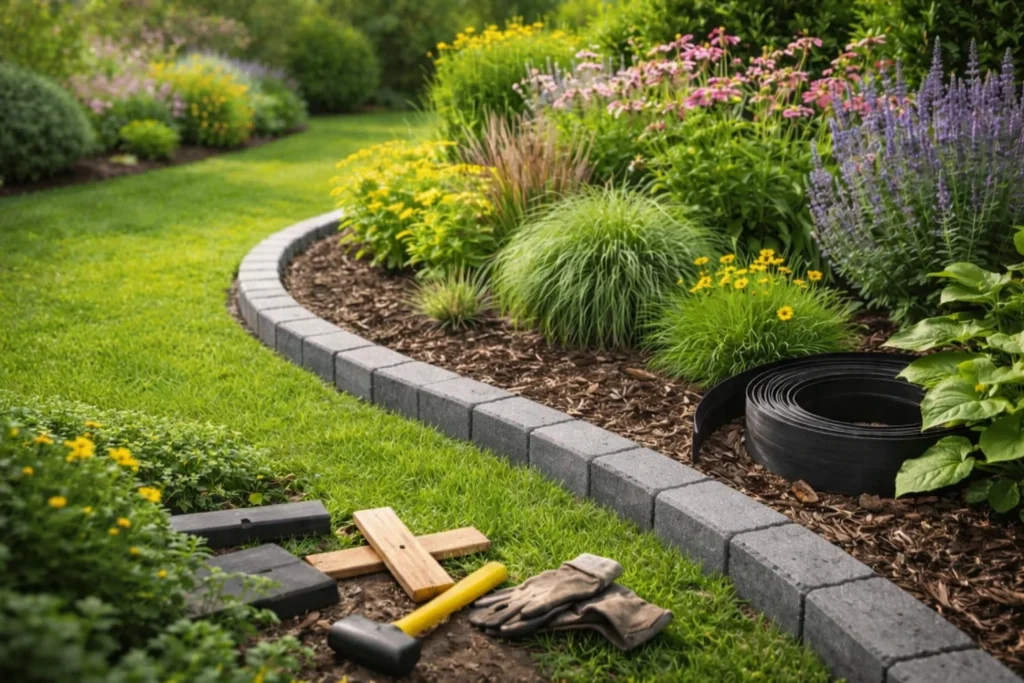
Garden edging mistakes can transform your outdoor space from polished to problematic, with common errors including improper installation depth, poor material selection, and inadequate maintenance. Creating beautiful garden edges isn’t always straightforward, but this guide will help you avoid the pitfalls that many homeowners face when tackling this project.
Choosing Low-Quality Materials
The temptation to save money by purchasing cheap garden edging materials often leads to disappointment down the road. Low-quality options might seem like a bargain initially, but they typically result in higher long-term costs due to frequent replacements. Cheap plastic edging tends to become brittle after exposure to sunlight, leading to cracks and breaks within just a season or two. Similarly, thin timber edging without proper treatment will start rotting once moisture penetrates the wood fibers.
Quality matters significantly with metal edging too. Thin gauge metal bends easily and develops rust spots quickly, compromising both function and appearance. The deterioration happens faster than you might expect, particularly in areas with high rainfall or humidity. For lasting results, invest in commercial-grade materials like Techo-Bloc edging stones that withstand environmental stresses. Your garden deserves edging that maintains its integrity through changing seasons and weather conditions.
Overlooking Climate Compatibility
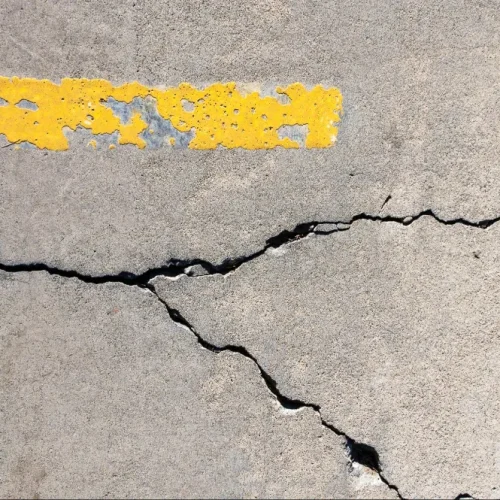
Your local climate plays a decisive role in how well certain edging materials perform over time. Failing to consider weather patterns before selecting materials can result in premature deterioration and unnecessary replacement costs. In regions with frequent freeze-thaw cycles, rigid plastic edging often cracks as the ground expands and contracts. Metal edging works better in these conditions but requires proper installation to allow for ground movement.
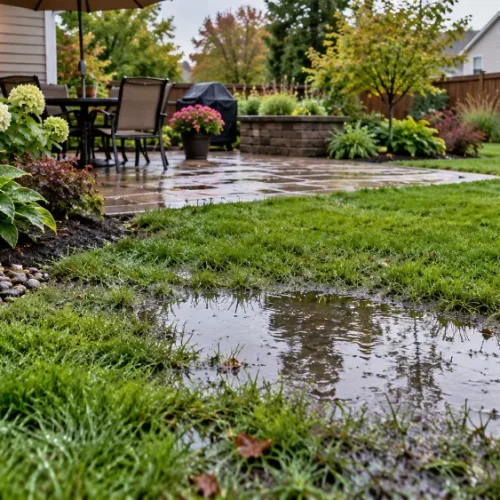
Hot, sunny climates present different challenges. Many plastic products degrade quickly under intense UV exposure, becoming brittle and faded. Wood edging dries out and splits unless regularly treated with protective sealants. Coastal areas introduce salt exposure concerns, which accelerates corrosion in metal edging. Even stainless steel can show signs of deterioration near saltwater, making composite materials a smarter choice for oceanside gardens. Heavy rainfall regions demand edging with excellent drainage properties. Materials that trap moisture against structures or plants can cause rot and fungal problems. Your selection should account for how water moves through your garden during wet periods. By matching your edging material to your specific climate conditions, you extend its useful life and maintain its appearance much longer.
Mismatch With Garden Style
The edging you select creates a frame for your garden, significantly impacting its visual appeal. When edging clashes with your overall garden design, the result feels awkward and unplanned. Contemporary gardens with clean lines and modern plantings look disjointed when paired with rustic wooden edging. The visual conflict between these styles creates an uncomfortable tension rather than a harmonious design. Formal gardens traditionally feature defined boundaries with structured materials like brick or cut stone. Introducing casual bamboo or plastic edging disrupts the classical aesthetic these gardens aim to achieve.
Your cottage garden filled with flowing perennials loses its charm when bordered by rigid metal edging. The harsh lines fight against the soft, romantic quality that makes cottage gardens so appealing. Japanese-inspired gardens rely on subtle transitions and natural materials. Bright plastic edging would immediately break the meditative atmosphere these spaces cultivate. The color of your edging matters too. Bold, contrasting colors draw attention to the borders rather than the plants. This focus shift might work in minimalist designs but overwhelms plant-focused gardens. Consider your garden’s personality before selecting edging materials. The right choice enhances your design vision rather than competing with it.
Mixing Too Many Edging Types
Garden cohesion suffers when multiple edging styles appear throughout your landscape. This common mistake creates visual confusion and makes maintenance more complicated than necessary. Using different materials for each garden bed creates a patchwork effect that draws attention away from your plants. Visitors notice the inconsistent borders instead of appreciating your beautiful flowers and foliage. Maintenance becomes needlessly complex with varied edging types. Each material requires specific care routines, tools, and replacement parts. You’ll spend more time managing these different systems than enjoying your garden.
The busy appearance resulting from mixed edging styles can make even a well-planned garden look disorganized. Your eye jumps from one border type to another instead of flowing naturally through the space. If you absolutely need different materials for functional reasons, try maintaining consistency in color or height. This approach provides some visual continuity while addressing practical requirements in different garden areas. For most home gardens, limiting yourself to one or two complementary edging styles creates a more professional, thoughtful appearance. Your landscape will feel intentionally designed rather than randomly assembled.
Using Materials Beyond Your Skill Level
Ambitious garden projects often lead to selecting materials that require specialized installation techniques. Without proper skills, these projects can quickly become frustrating exercises in trial and error. Mortared brick or stone edging creates beautiful, permanent borders but demands masonry knowledge. Improper mortar mixing or joint creation leads to cracking and crumbling within a few seasons. Your weekend project might require professional repair if you lack these specific skills. Steel edging installation involves precise cutting and bending techniques. Without proper tools and experience, you risk creating unsafe sharp edges or uneven lines that detract from your garden’s appearance.
Concrete edging requires form building, proper mixing, and finishing techniques. Mistakes during any phase result in weak structures that crack or crumble prematurely. The repair process often proves more difficult than the initial installation. Before committing to any edging material, honestly assess your DIY capabilities. Watch tutorial videos, read installation guides, and perhaps practice with a small section before tackling your entire garden. Starting with simpler materials allows you to develop skills progressively. Many high-quality plastic or composite edging options offer excellent durability with straightforward installation methods perfect for beginners.
FAQs
The most common garden edging mistakes include using low-quality materials, ignoring climate compatibility, and poor installation depth.
Most edging should be installed at least 2–4 inches deep to prevent shifting, though depth varies depending on the material and soil conditions.
Low-cost plastic edging often becomes brittle under UV exposure and cracks within a few seasons, leading to frequent replacements.
Yes, freeze-thaw cycles, intense sun, salt exposure, and heavy rainfall can all accelerate material deterioration if the wrong type is chosen.
Absolutely. Edging that clashes with your garden style disrupts visual harmony and makes the landscape feel unplanned.
Mixing too many edging types can create visual clutter and complicate maintenance, so it’s best to limit your selection.
ou can, but mortared brick or stone requires masonry skills; improper installation is one of the more costly garden edging mistakes.
Proper installation depth, stable base preparation, and correct anchoring methods help prevent movement.
Composite, treated stone, or corrosion-resistant metal edging typically performs best in high-moisture environments.
Inspect edging seasonally for shifting, cracks, rust, or rot, and address minor issues early to avoid major repairs.