Every home tells a story, and the landscape around it plays a quiet but powerful role. From the view out your window to the shade on a summer afternoon, trees shape how your outdoor space feels and functions. As your home evolves — whether through big renovations or small seasonal touches — your yard can evolve too. For many homeowners, adding mature trees is a way to bring instant charm and comfort to the garden, while planning for the future. If you’ve ever dreamed of transforming your backyard into a space that feels established and inviting, it might be time to think about what trees can offer. One expert in this field is A Plus Tree, a company known for helping people work with the trees that surround their homes.
Why Mature Trees Matter in Home Design
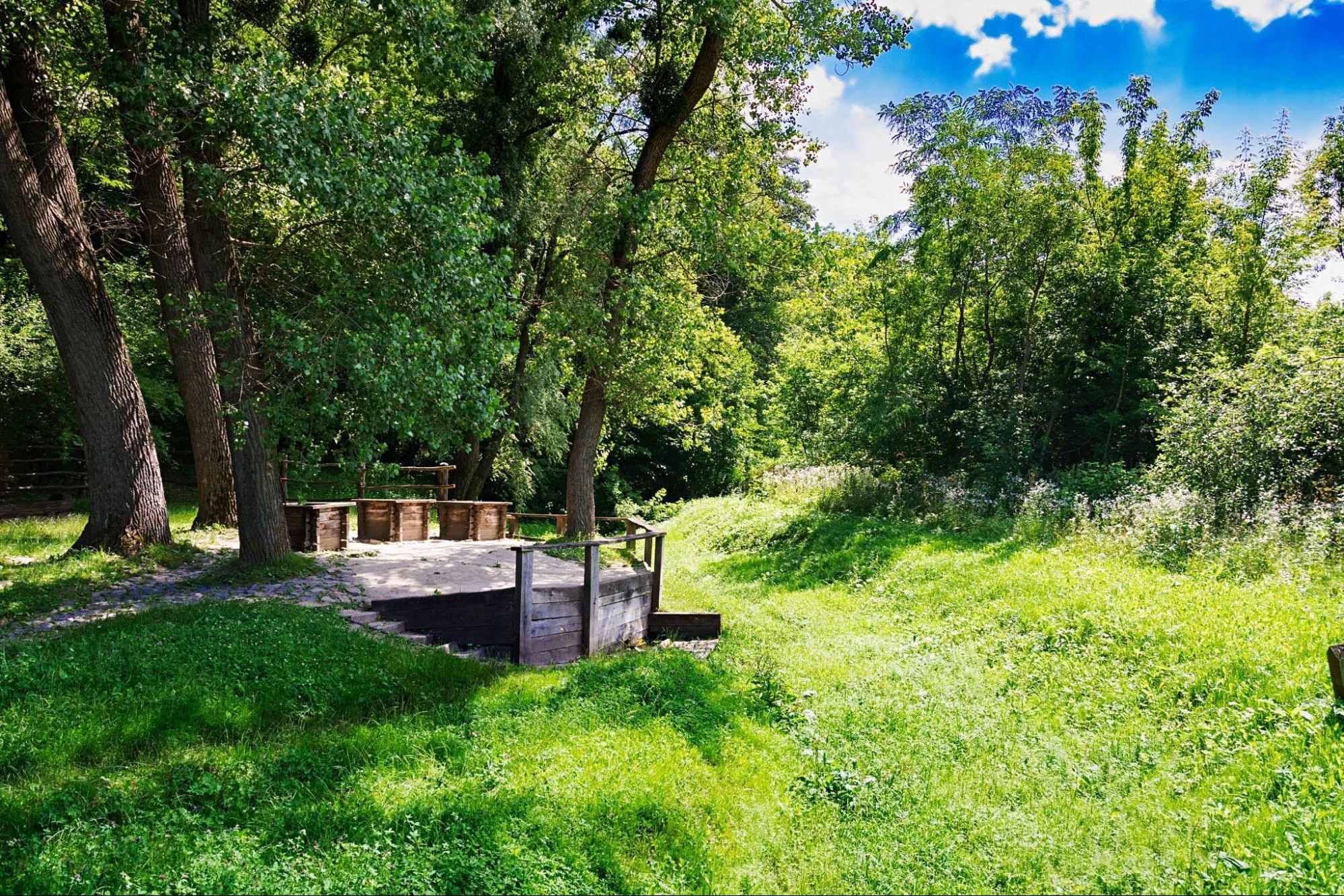
Trees are more than background greenery. They help frame your home, offer privacy, and bring structure to your yard. A well-placed tree can turn a basic lawn into a gathering spot, add shade to a sunny patio, or soften the lines of a fence or shed.
Mature trees — even those a few years older than typical nursery stock — bring an immediate sense of scale and presence. They make a yard feel established. This is especially appealing in newer neighborhoods, where plantings often start from scratch. Choosing the right tree for your climate, soil, and space gives you a head start on a landscape that feels settled and graceful.
Finding the Right Tree for Your Space
Every yard is different. Some need height to balance wide open areas. Others call for smaller trees to add vertical interest without crowding a compact lot. Consider what you want from the tree: shade, privacy, seasonal color, or simply beauty through the window.
Think about how much space the tree will need to grow. Consider its root spread, canopy width, and how close it will be to your home or garden beds. It’s also important to know whether a tree drops fruit, seeds, or leaves that may need extra care.
You can work with a local arborist or nursery to choose species that do well in your area. Native trees are often a good choice — they tend to need less maintenance and support pollinators and birds. The goal is to choose a tree that looks beautiful now but will thrive for decades.
Planning for Growth and Change
Adding a tree is an act of hope. It takes time for roots to settle and branches to reach their full span. But that’s also the joy of it — your yard grows with you. What starts as a sapling becomes a shaded picnic spot. A slender trunk grows into a quiet sentry beside the porch.
Plan for change as you design your space. Leave room for future beds, walkways, or outdoor furniture. Imagine where shadows will fall in a few years. The more you think ahead, the more your trees will feel like part of the home, not an afterthought.
Trees also bring seasonal rhythms. In spring, they flower. In summer, they cool the air. In fall, they turn golden or red. These changes can shape how you use your yard throughout the year and add visual richness to your home’s design.
The Quiet Benefits Trees Bring
Besides their beauty, trees bring many quiet advantages. They cool the air around your home, helping reduce energy use in warmer months. Their roots hold soil in place and prevent erosion. They offer homes to birds and shade to garden beds. Over time, a single tree can become a favorite reading spot or a place for children to play.
They also offer something less tangible — a sense of calm and connection. Trees remind us to slow down, to notice the seasons, and to spend more time outside. They help shape outdoor rooms without walls, creating space for reflection and gathering alike.
What to Know Before Planting
Planting a tree sounds simple, but getting it right takes a bit of planning. Choose a time of year when the weather is cooler and rainfall is more reliable. In many regions, early spring or fall works best.
Dig a wide hole, not too deep. Set the tree so the root flare — where the trunk meets the roots — sits at soil level. Backfill with native soil, tamping gently to remove air pockets. Water deeply and mulch around the base, but keep mulch away from the trunk.
Water regularly during the first year while the roots settle in. You might need to stake taller trees in windy spots, but most will grow stronger if they move naturally with the breeze. Avoid over-fertilizing in the first season and let the tree adjust to its new home.
If you’re planting a large tree, or moving one from another location, consider working with a professional who understands root systems and soil preparation. The investment helps ensure your tree not only survives the move, but thrives in its new setting.
Letting Your Yard Tell Its Story
Adding a tree to your yard is a simple act with a lasting legacy. It changes the way light falls on your patio, how the breeze sounds through the leaves, and where your family might gather on a warm afternoon. It’s a living part of your home that grows with time and care.
By choosing trees thoughtfully and planting with the future in mind, you turn your outdoor space into a place that reflects your values and vision. Whether you’re creating a shaded garden path or a backdrop for celebrations, trees can help tell the story of your home — one season, and one year, at a time.
FAQs
Mature trees provide immediate visual impact, shade, and structure, while young trees may take years to achieve the same presence.
Consider your climate, soil type, available space, and what you want the tree to provide—such as shade, privacy, or seasonal color.
Yes, native trees typically require less maintenance, adapt well to local conditions, and support local wildlife and pollinators.
Early spring or fall is ideal in most regions because cooler temperatures and consistent rainfall help roots establish.
It depends on the species, but generally allow enough space for full canopy spread and root growth to prevent structural interference.
They need consistent watering during the first year, proper mulching, and occasional monitoring to ensure healthy root establishment.
Healthy, well-placed trees can enhance curb appeal and may contribute to higher property value over time.
Yes, strategically placed trees can provide shade that cools your home in summer and reduce overall energy use.
For large or transplanted trees, professional assistance is recommended to protect the root system and ensure proper installation.
Most trees need about one full growing season to establish roots, though full maturity takes several years.