Windows do far more than puncture your exterior walls. They flood rooms with daylight, cycle fresh air through living spaces, and blur the boundaries between indoors and out. By 2026, we’re seeing a shift toward windows that think for themselves, cut energy waste, and respect environmental limits.
Today’s homeowners aren’t just shopping for curb appeal. They want windows that trim monthly utility costs while delivering visual impact. Here’s what’s driving the window market as we head into 2026.
Energy Efficiency Innovations
Energy-conscious windows have captured the lion’s share of the 2026 market. They work by holding warm air inside during cold months and repelling heat when temperatures climb. Current technology relies on specialized coatings and inert gas fills sandwiched between glass layers.
Double glazing has dominated for decades. Now triple glazing is gaining traction. The data backs this up: triple-pane configurations cut solar heat gain by 20-30% versus their double-pane counterparts.
Smart glass represents a different approach entirely. These windows adjust their transparency on the fly, responding to ambient sunlight levels. Less glare. Less heat. The thermal control happens automatically – darkening when summer sun beats down, clearing when winter light could warm a room naturally. No manual adjustments required.
Sustainable Materials
Environmental concerns are reshaping material choices for 2026 window frames. Homeowners increasingly demand options that won’t haunt future generations.
Aluminum frames check this box through complete recyclability. Wood works when harvested from managed forests. Both materials satisfy the growing appetite for responsible construction.
The recycled content movement is picking up speed. Several manufacturers now produce frames from salvaged wood fiber blended with thermoplastic polymers. Composite designs marry different materials – perhaps wood interiors for warmth, with aluminum or fiberglass exteriors that stand up to weather.
Material selection carries weight beyond aesthetics. Each choice ripples through supply chains and landfills. Energy-smart materials also shrink a home’s carbon output over decades of use.
Minimalist Designs
Minimalist windows are very popular in 2026. This style focuses on clean lines, simple shapes, and slim frames. The philosophy? Let the view command attention rather than the frame.
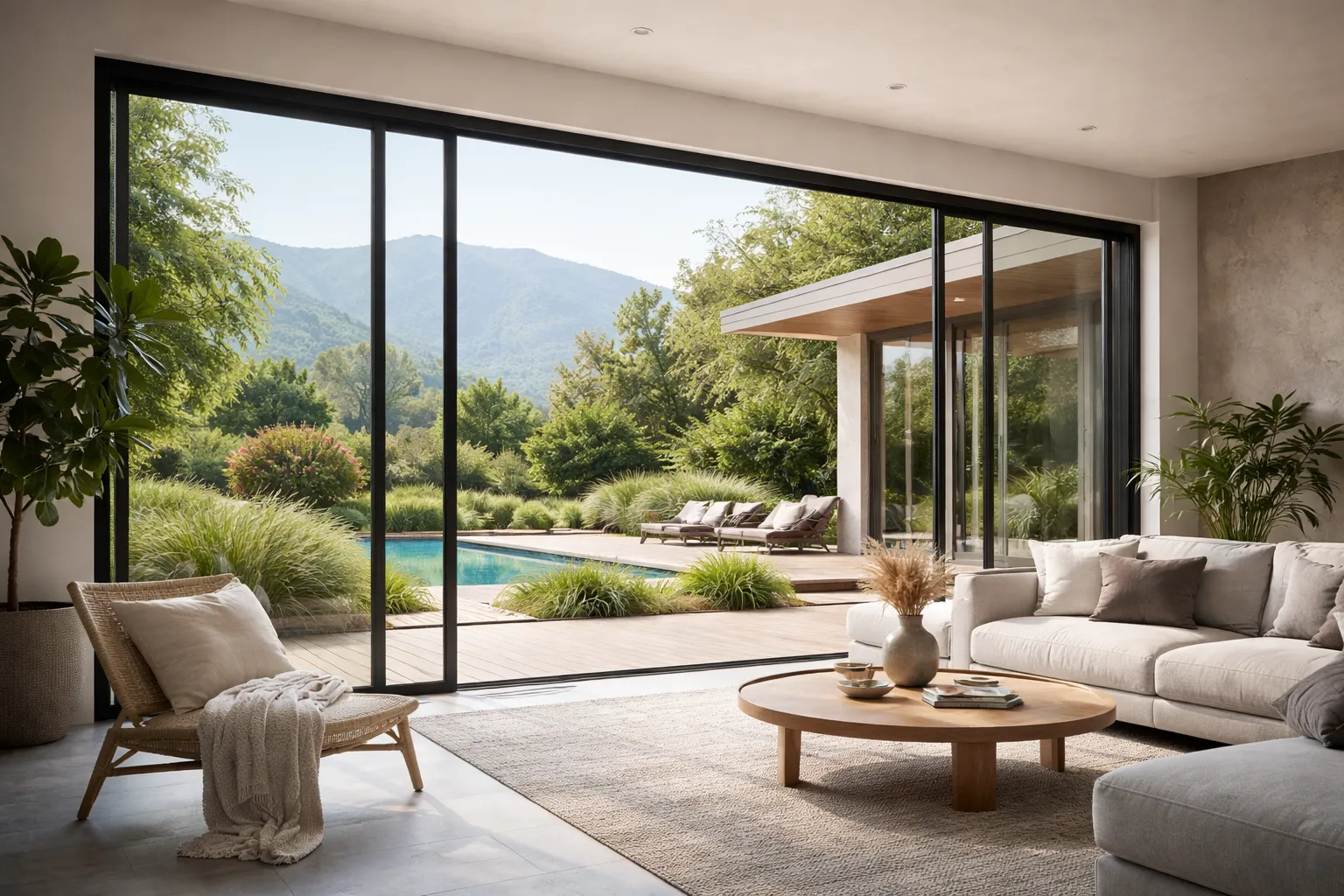
These ultra-slim designs favor dark tones – black, charcoal gray, deep bronze. Narrow muntins barely register visually. Larger glass expanses follow naturally, bringing more daylight indoors.
The aesthetic reads as refined without trying too hard. Generous glazing dissolves barriers between rooms and the world beyond. Got a mountain vista? Coastal panorama? Urban skyline? Minimalist frames present these scenes without visual interference.
Large and Expansive Windows
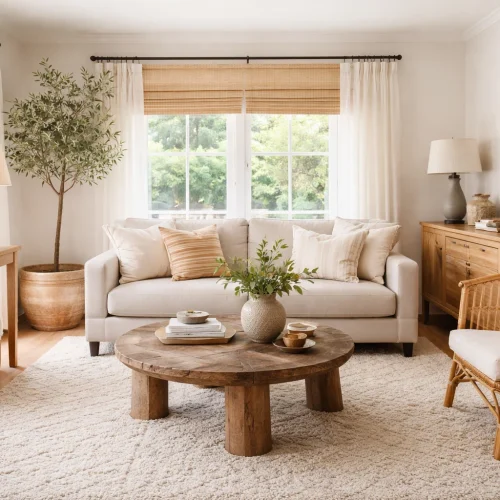
Oversized windows have moved from luxury features to mainstream expectations. The driving force? A desire to merge indoor living areas with outdoor spaces.
Floor-to-ceiling installations are becoming standard in new builds. So are sliding glass wall systems that disappear completely when opened.
The health benefits are documented. Natural light regulates circadian rhythms, improves sleep quality, and elevates mood. It also eliminates daytime dependence on artificial lighting – a quiet energy win. Plus, you gain unobstructed sightlines to gardens, yards, and landscapes.
Installation demands structural forethought. Wall openings this size need proper support from headers and load-bearing modifications. Energy performance matters more when you’re adding square footage of glass. That explains why many homeowners pair large installations with triple glazing or high-performance coatings.
Smart Technology Integration
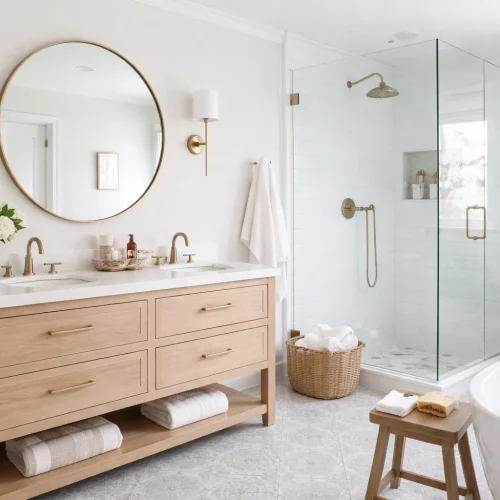
Today’s smart windows extend well beyond color-shifting glass. We’re seeing automated shade systems that respond to sun angle or follow programmed schedules. Smartphone connectivity lets you adjust everything remotely. This makes these smart options perfect for a small bathroom window or a sunroom window.
These systems talk to HVAC equipment. When sensors detect intense sunlight, windows can cue the air conditioner to throttle back since the glass is already blocking thermal gain. Voice commands work too – tell your home system to raise shades, adjust tint levels, crack windows for ventilation.
What’s next? Photovoltaic integration that turns windows into power generators. Self-cleaning surfaces. Mood-responsive color shifts. The research pipeline suggests we’ve barely scratched the surface.
Color and Finish Trends
Black frames continue their reign as the go-to choice for 2026. They pack visual punch and pair with virtually any exterior palette. White and gray maintain steady appeal for homeowners seeking timeless looks. Bronze and charcoal tones are climbing in popularity, offering warmth without abandoning modern sensibility.
Surface finish shapes overall impact. Matte treatments project understated sophistication. Gloss catches and reflects light, creating focal points. Some manufacturers allow different interior and exterior colors which gives you the flexibility that helps windows integrate with both street presence and interior design.
Match frames to your home’s architectural DNA. Contemporary builds can handle bold, dark treatments. Traditional styles often call for gentler hues. Study your existing palette – siding, roofing, trim details – then select windows that harmonize rather than clash.
Window Treatments and Accessories
The 2026 treatment landscape favors restraint. Minimal profiles complement modern window designs without fighting for attention.
Motorized blinds and roller shades are eating market share. They deliver privacy on demand while keeping impressive windows visible. Sheer panels are experiencing renewed interest – they soften harsh light and maintain privacy without blocking views entirely.
Interior blinds serve double duty. Research confirms they can reduce heat loss by roughly 33%. They also tame glare on screens and manage solar gain.
A reliable window manufacturer can help you select treatments that defer to your windows. Floor-to-ceiling installations deserve simple solutions. Motorization makes sense for hard-to-reach spots. Match light control to room function – bedrooms benefit from blackout capability, while living areas might prefer diffusion over total darkness.
Conclusion
The 2026 window market reflects broader priorities: efficiency, sustainability, technology integration. Double and triple glazing deliver measurable energy savings. Smart glass adds responsive control and sustainable materials address environmental accountability.
These aren’t superficial upgrades. New windows demonstrably reduce utility expenses, boost property values, and improve daily living quality. Industry research identifies health and wellness as the primary motivator for home investments. Windows directly influence wellbeing through natural light exposure, fresh air circulation, and nature connection.
The 2026 trends confirm that windows have evolved from passive building components into active contributors to how we inhabit our homes.