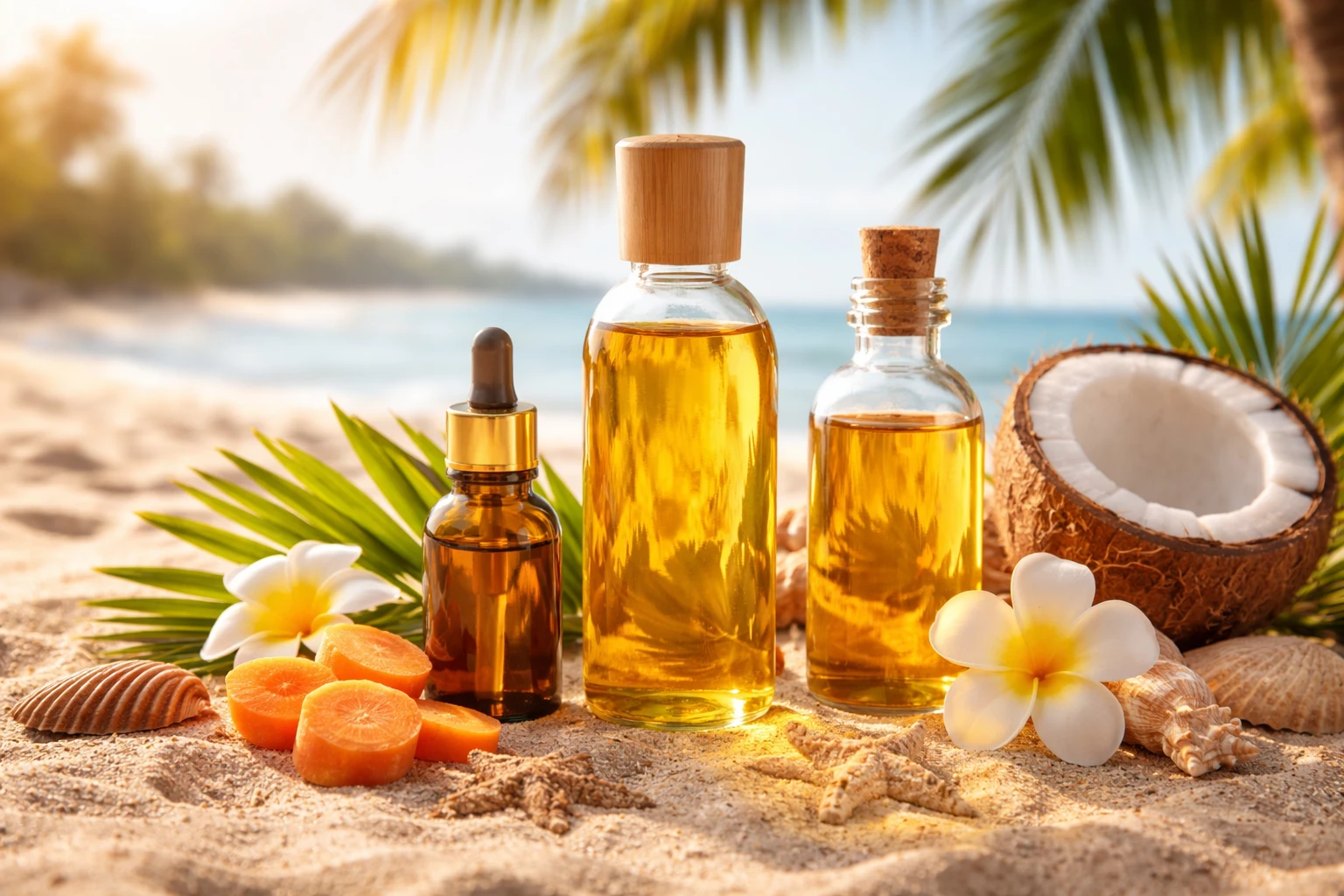
The tanning industry is flooded with products making bold promises. Darker tan, faster results, longer-lasting color. Most rely on synthetic chemicals, artificial fragrances, and ingredients you can’t pronounce. But there’s a reason why natural oils have been used for centuries to enhance tanning, and why they continue to deliver superior results for those who understand how to use them properly.
The difference between natural and synthetic tanning products isn’t just about being eco-friendly or avoiding harsh chemicals. It’s about how these ingredients interact with your skin’s biology. When you shop premium tanning oils formulated with plant-based ingredients, you’re choosing products that work in harmony with your skin rather than forcing results through synthetic manipulation.
The Skin Barrier Benefits of Natural Oils
Your skin’s outermost layer functions as a selective barrier. It keeps harmful substances out while retaining moisture and essential nutrients. Natural oils work with this barrier rather than against it because their molecular structure closely resembles your skin’s own lipids.
When you apply natural oils, your skin recognizes them as compatible substances. They integrate into your skin’s lipid matrix, strengthening the barrier function rather than disrupting it. This is fundamentally different from synthetic ingredients that sit on top of your skin or force penetration through chemical means.
Coconut oil, for example, contains fatty acids that mirror those naturally found in healthy skin. When applied, it doesn’t just coat the surface. It actually absorbs into skin layers, providing moisture and nutrients where they’re needed most. This creates optimal conditions for tanning while simultaneously protecting and nourishing your skin.
Synthetic tanning oils often contain mineral oil or petroleum derivatives. These create a barrier on skin’s surface that can trap heat and interfere with natural moisture balance. While they might make skin feel temporarily smooth, they don’t provide the deep nourishment that natural oils deliver.
Nutrient Density Makes the Difference
Natural plant oils are nutritionally complex. They contain vitamins, minerals, antioxidants, and beneficial fatty acids that synthetic formulations can’t replicate. These nutrients support skin health during and after sun exposure.
Carrot oil stands out for its exceptional beta-carotene content. This powerful antioxidant gives carrot oil its distinctive orange color and provides real benefits for tanning. Beta-carotene accumulates in skin tissue, contributing golden undertones to your tan while offering antioxidant protection against UV-induced free radicals.
Vitamin E, abundant in many natural oils, protects cell membranes from oxidative damage. When you’re deliberately exposing your skin to UV radiation, having robust antioxidant protection isn’t optional. It’s essential for minimizing the aging and damage that sun exposure can cause.
These nutrients work synergistically. Beta-carotene and vitamin E together provide more protection than either alone. Essential fatty acids maintain skin barrier integrity while vitamins support cellular repair. This comprehensive nutrient profile is impossible to achieve with synthetic ingredients.
How Oil-Based Formulas Enhance UV Response
The way oils interact with light affects how your skin responds to UV exposure. Natural oils create a thin, even layer on skin that allows UV penetration while preventing moisture loss. This is a delicate balance that cheap synthetic alternatives rarely achieve.
Water-based tanning lotions dry on your skin, often leaving a chalky residue or uneven coverage. Oil-based products remain supple and spreadable, ensuring consistent UV exposure across your entire application area. This uniformity translates directly to more even tanning results.
Oils also prevent the skin dehydration that sun exposure causes. When your skin loses moisture, it becomes less receptive to tanning and more prone to burning. By maintaining optimal hydration throughout your tanning session, natural oils help you develop color more safely and effectively.
Some people worry that oils will increase burn risk by intensifying UV exposure. Quality natural oils don’t work this way. While they allow UV penetration for tanning, they also provide antioxidant protection and maintain skin health, which actually helps prevent burns when used appropriately.
The Scent Factor You Shouldn’t Ignore
Natural oils smell like what they are: plants. Coconut oil smells like coconuts. Carrot oil has an earthy, slightly sweet aroma. These natural scents come from the plants themselves, not from added synthetic fragrances.
Synthetic fragrances in tanning products serve one purpose: masking the chemical smell of the formula. They don’t provide benefits for your skin. In fact, artificial fragrances are among the most common causes of skin irritation and allergic reactions in cosmetic products.
Natural scents from plant oils actually indicate the presence of beneficial compounds. The aroma of coconut oil comes from medium-chain fatty acids that nourish your skin. The sweet smell of carrot oil signals its beta-carotene content. These scents are functional, not just decorative.
If you’ve only used synthetic tanning products, switching to natural oils might require an adjustment period. The scents are different, more subtle, and genuinely plant-derived. Most people quickly come to prefer these authentic aromas over artificial perfumes.
Longevity and Fade Patterns
How your tan fades matters as much as how it develops. Natural oils produce tans that fade gradually and evenly because they support overall skin health throughout the tanning process.
Skin cells naturally shed as part of the renewal process. When your skin is well-nourished and properly hydrated, this shedding happens uniformly. Your tan fades at a consistent rate across your entire body rather than becoming blotchy or patchy.
Synthetic tanning products often leave skin dry and irritated. This accelerates cell turnover in unpredictable patterns, leading to uneven fading. You might notice your tan disappearing from elbows and knees first, or developing light patches in random areas.
The moisturizing properties of natural oils extend your tan’s lifespan by keeping skin cells healthy and hydrated. Well-hydrated cells remain in place longer, carrying their melanin content with them. This simple fact explains why people using natural oils consistently report longer-lasting tans.
Environmental and Ethical Considerations
Beyond personal benefits, natural oils carry fewer environmental consequences. Plant-based ingredients biodegrade harmlessly. They don’t contain microplastics, synthetic polymers, or petroleum derivatives that persist in waterways and soil.
When you shower after applying synthetic tanning products, chemical residues wash into water systems. These compounds can affect aquatic life and accumulate in ecosystems. Natural oils break down into harmless organic matter that integrates back into natural cycles.
Production processes also differ significantly. Extracting natural oils from plants requires less energy and generates less waste than synthesizing chemical alternatives in industrial facilities. The carbon footprint of natural tanning oils is substantially lower than synthetic equivalents.
Making the Switch Work For You
Transitioning from synthetic to natural tanning oils requires slight adjustments in application technique. Natural oils are more concentrated and require less product per application. A little goes further because these oils spread easily and absorb efficiently.
Apply natural oils to slightly damp skin for best absorption. This helps the oil penetrate rather than sitting on the surface. Massage thoroughly until you achieve even coverage, paying extra attention to dry areas like elbows and knees.
Give the oil a few minutes to absorb before sun exposure. This ensures active ingredients penetrate to working depth and won’t simply wash away with the first hint of perspiration. Most natural oils absorb quickly, so this waiting period is brief.
The choice between natural and synthetic tanning oils isn’t just about ingredient preferences. It’s about results. Natural oils deliver deeper, more even tans that last longer and fade gracefully. They nourish skin throughout the tanning process rather than depleting it. And they accomplish all this without the harsh chemicals, synthetic fragrances, and environmental impact that come with conventional alternatives. Your skin knows the difference, even if the marketing doesn’t always make it clear.
FAQs
Natural tanning oils work with your skin’s biology, providing nutrients and hydration, while synthetic products often rely on harsh chemicals that sit on the surface.
Yes, they contain antioxidants like vitamin E and beta-carotene that help reduce oxidative damage caused by UV exposure.
Natural oils promote even UV exposure and hydration, resulting in a smoother, more uniform tan.
Generally, yes, because they lack artificial fragrances and harsh chemicals that often trigger irritation or allergic reactions.
They mimic the skin’s natural lipids, strengthening the barrier and helping retain moisture.
They can enhance your skin’s tanning response by maintaining hydration and allowing consistent UV penetration.
When used properly, they help maintain skin health and hydration, which can reduce the likelihood of burning.
Their scent comes from real plant compounds rather than artificial fragrances designed to mask chemical odors.
Yes, because they keep the skin nourished and hydrated, leading to more even and gradual fading.
Most are biodegradable and free from harmful chemicals, making them a more eco-conscious choice compared to synthetic alternatives.