Creating beautiful outdoor spaces requires more than just an eye for design. Today’s property owners must consider what lies beneath the surface before breaking ground on any landscaping project. From residential backyards to sprawling commercial complexes, the relationship between above-ground aesthetics and underground infrastructure has never been more important. Understanding this connection ensures both stunning results and lasting safety.
The Hidden World Beneath Your Property
Every Australian property sits atop a complex network of underground utilities. Gas lines, water mains, electrical conduits, and telecommunications cables create an invisible web beneath our feet. Disturbing these utilities during landscaping projects can lead to serious consequences. Property damage, service interruptions, and dangerous situations all become possibilities when underground infrastructure goes unconsidered.
Gas lines present particular concerns due to their potential hazards. Even minor damage to gas infrastructure can create leaks that threaten both property and personal safety. Professional landscapers understand the importance of utility mapping before any project begins. Dial Before You Dig services help identify underground assets, but ongoing vigilance remains essential throughout any property’s lifetime.
The Rise of Low-Maintenance Outdoor Spaces

Australian homeowners increasingly seek outdoor solutions that minimise maintenance requirements. Busy lifestyles leave little time for constant lawn care, watering schedules, and seasonal treatments. Water restrictions across many regions have also shifted perspectives on traditional grass lawns. The environmental and financial costs of maintaining natural turf have prompted many to explore alternatives. Synthetic grass technology has advanced dramatically in recent years. Modern products look remarkably realistic while eliminating the ongoing demands of natural lawn maintenance.
For Melbourne homeowners seeking beautiful yards without the hassle, artificial turf installation Melbourne services provide expert solutions tailored to local conditions. Professional installation ensures proper drainage, realistic appearance, and long-lasting performance. The benefits extend beyond reduced maintenance requirements. Artificial turf remains green year-round, regardless of drought conditions or seasonal changes. Pet owners particularly appreciate synthetic grass solutions. Durable materials withstand heavy use while remaining easy to clean and maintain. Children’s play areas benefit from the consistent, soft surface that quality artificial turf provides. No more muddy footprints tracked through the house after rainy days.
Planning Your Landscape Transformation
Successful landscaping projects begin with a thorough site assessment. Understanding soil conditions, drainage patterns, and existing infrastructure prevents costly surprises later. Property surveys reveal important information about boundaries, easements, and utility corridors. This documentation guides design decisions and helps avoid potential conflicts.
Existing vegetation may require removal or relocation before new installations begin. Professional assessment determines which plants can be preserved and which must go. Drainage considerations affect every landscaping decision. Improper water management leads to flooding, erosion, and damage to both landscaping and structures. Access requirements for maintenance and emergencies must factor into design plans. Utility companies need clear pathways to infrastructure when repairs become necessary.
The Critical Role of Safety Monitoring

Property safety extends far beyond locked doors and security systems. Invisible threats like gas leaks pose serious risks that require specialized detection methods. Natural gas is odorless in its pure form, though additives create the distinctive smell most people recognize. However, these odorants can fade over time or dissipate in soil before reaching the surface. Underground gas leaks may go undetected for extended periods without proper monitoring. Vegetation dying in unusual patterns sometimes provides the only visible indication of subsurface problems.
Industrial facilities and commercial properties face heightened responsibilities for gas safety. Regulatory requirements mandate appropriate detection and monitoring systems. Modern technology has revolutionized how we identify and respond to gas leaks. Advanced gas leak detectors provide continuous monitoring capabilities that protect both people and property. These sophisticated systems detect minute concentrations of gas before dangerous levels accumulate. Early warning allows for evacuation and remediation before situations become critical.
Transmission infrastructure spanning vast distances requires particular attention. Pipeline operators rely on detection technology to maintain safety across their networks. Commercial property managers increasingly incorporate gas detection into their safety protocols. The investment in monitoring equipment proves minimal compared to the potential consequences of undetected leaks.
Integrating Safety into Landscape Design
Smart property development considers safety systems alongside aesthetic elements. Landscape designs can accommodate monitoring equipment without compromising visual appeal. Detector placement requires careful consideration of environmental factors. Wind patterns, building locations, and potential leak sources all influence optimal positioning. Access panels and inspection points can be disguised within landscape features. Creative design integrates necessary infrastructure without creating eyesores.
Vegetation selection near gas infrastructure requires special attention. Deep-rooted plants may interfere with underground lines, while certain species can mask leak indicators. Artificial turf installations near utility corridors offer several advantages. The synthetic material doesn’t compete with underground infrastructure for moisture or nutrients. Regular landscape maintenance should include visual inspections for safety concerns. Dead patches, unusual odors, or hissing sounds warrant immediate professional investigation.
Professional Expertise Makes the Difference

Complex projects benefit enormously from experienced professional guidance because every stage builds on the one before it. Both landscaping and safety systems require specialized knowledge for optimal results, and licensed installers understand local regulations and best practices to ensure everything is done correctly from the start.
Before any excavation or installation begins, utility locating becomes a critical first step. Accurate detection of underground lines prevents costly damage, dangerous accidents, and unnecessary project delays. Partnering with one of the best private utility locating companies ensures precise mapping, regulatory compliance, and a solid foundation for the work that follows.
With proper planning in place, experienced professionals can then prevent common mistakes that often lead to expensive problems down the road. Quality materials distinguish professional installations from amateur attempts. Premium products deliver superior performance and longevity that justify their initial cost.
Warranty coverage provides peace of mind for significant investments. Reputable companies stand behind their work and address issues promptly. Ongoing support relationships prove valuable as needs evolve. Established providers offer maintenance services and upgrades as technology advances.
Balancing Aesthetics and Functionality
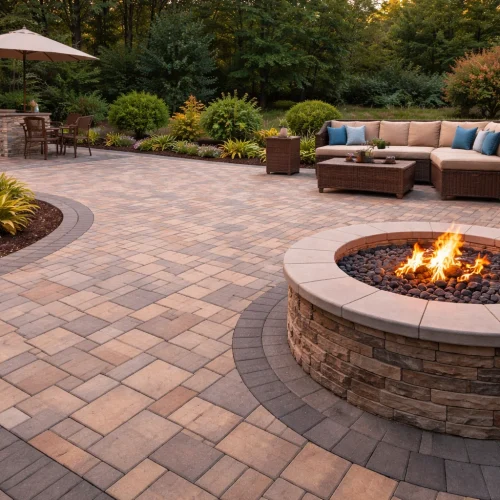
Beautiful properties can absolutely incorporate necessary safety features. Creative design transforms potential obstacles into seamless elements of the overall vision. Outdoor entertaining areas benefit from both attractive surroundings and safety assurance. Guests enjoy gatherings more when hosts have addressed potential hazards. Property values reflect both visual appeal and safety infrastructure. Buyers increasingly recognize the importance of comprehensive property protection.
Insurance considerations may favor properties with appropriate safety systems. Reduced risk profiles can translate to premium savings over time. Future flexibility remains important in property development. Designs that accommodate technology upgrades prevent costly retrofitting later.
Taking the First Steps
Property improvement journeys begin with an honest assessment of current conditions. Understanding existing strengths and weaknesses guides effective planning. Professional consultations provide valuable insights without major commitments. Many providers offer free assessments to help property owners understand their options. Prioritizing projects ensures the most important improvements receive attention first. Safety concerns should generally take precedence over purely aesthetic enhancements.
Budget planning allows for phased implementation of comprehensive improvements. Spreading investments over time makes ambitious projects achievable. Documentation of all work creates valuable records for future reference. Permits, warranties, and installation details prove useful for maintenance and resale.
Conclusion
Modern property development demands attention to both visible beauty and hidden infrastructure. The most successful projects balance aesthetic goals with practical safety considerations. Australian property owners have access to excellent professional services for both landscaping and safety needs. Taking advantage of this expertise ensures results that satisfy on every level.
Whether transforming a tired backyard or upgrading commercial property safety systems, professional guidance leads to superior outcomes. The investment in quality materials and expert installation pays dividends for years to come. Creating spaces that look beautiful while keeping occupants safe represents the ultimate goal of thoughtful property development. With proper planning and professional support, achieving both objectives becomes entirely possible.
FAQs
Because damaging buried utilities like gas or water lines can cause serious safety risks, service disruptions, and costly repairs.
Most properties have gas lines, water mains, electrical conduits, and telecommunications cables underground.
Using services like Dial Before You Dig and conducting professional site assessments helps locate underground assets safely.
Even minor damage can lead to leaks, creating fire, explosion, or health risks if not detected early.
It requires minimal excavation, doesn’t interfere with underground infrastructure, and reduces ongoing maintenance near utility corridors.
Yes, safety equipment like access panels and detectors can be discreetly integrated into landscape features.
Unusual odours, hissing sounds, or patches of dying vegetation can signal potential subsurface gas issues.
Professionals understand regulations, utility protection, drainage, and material selection, reducing long-term risks.
Yes, properties with well-integrated safety systems often appeal more to buyers and insurers.
Generally, yes addressing safety first prevents hazards and ensures aesthetic upgrades are built on a secure foundation.