If you’ve ever walked into a room you painted with so much hope only to notice little lines, flakes, or peeling spots mocking you from the walls believe me, I’ve been there more times than I’d like to admit. Paint cracking is one of those frustrating results that feels like it ruins all your good intentions. And the worst part? Sometimes the cracks seem to appear overnight. Over the years, as I’ve dug deeper into why paint fails, I’ve realized it’s not just one cause it’s a whole collection of environmental factors, old materials, prep mistakes, temperature issues, and even things like humidity that quietly sabotage a project. (And yes, humidity really matters according to the U.S. Environmental Protection Agency, proper ventilation and moisture control is essential for preventing building material deterioration: https://www.epa.gov/mold.)
The more I’ve learned (usually after the fact), the more it all makes sense. So here’s everything I wish someone had told me before my walls decided to develop their own little fault lines.
Prep Problems: The Silent Saboteur Behind Most Cracks
Prep is everything. I say this now with the confidence of someone who once painted an entire bedroom in a weekend and had it start cracking three weeks later. Prep mistakes are incredibly common painting over dust, skipping sanding, or ignoring glossy spots. Sometimes it’s as simple as forgetting that walls in bathrooms or kitchens collect a film of invisible residue. And speaking of bathrooms, if you’ve ever wondered why does bathroom paint peel after a shower, the answer is usually a mix of trapped moisture and poor surface prep. Paint can’t grip properly to walls that aren’t clean, dry, and lightly scuffed. And while the paint may look flawless on day one, the cracks usually wait to reveal themselves until you’ve forgotten how rushed you were.
Poor Adhesion: When Paint Refuses to Stick and Starts to Break Apart
Poor adhesion is what happens when the new paint and the old surface just don’t get along. The most dramatic case for me was in an older kitchen with old semi-gloss paint underneath. I didn’t sand. I didn’t prime. I just painted. And naturally, it peeled off in huge strips. This is especially common if you try painting latex over old oil why latex paint won’t stick to oil-based paint comes down to flexibility. Latex is too stretchy, oil is too rigid, and without a bonding primer between them, the two fight until cracks appear. If you’re dealing with furniture, walls, or trim coated in older finishes, adhesion becomes even more unpredictable. At some point you start to understand why professionals constantly preach sanding and priming like gospel.
Moisture Problems: The Hidden Culprit Most People Don’t Notice
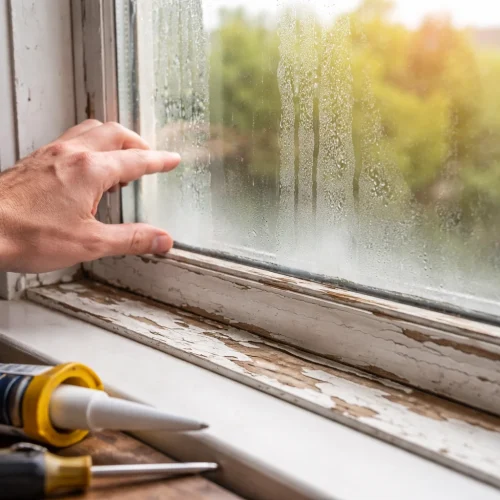
Moisture is sneaky. It hides behind walls, under fresh coats of paint, inside drywall, and especially in rooms with poor airflow. My bathroom cracked worse than any other room until I finally upgraded the ventilation. Once I learned how humidity affects wall paint, everything clicked. Moisture makes paint swell, shrink, and separate from the surface. It can even create bubbling before cracking. If you see cracks concentrated around windows, sinks, or exterior walls, it might be time to investigate signs your wall has hidden moisture damage. Sometimes it’s not even paint failure it’s your house quietly telling you something is off behind the surface.
Old Paint Layers Failing Underneath Your Fresh Coat
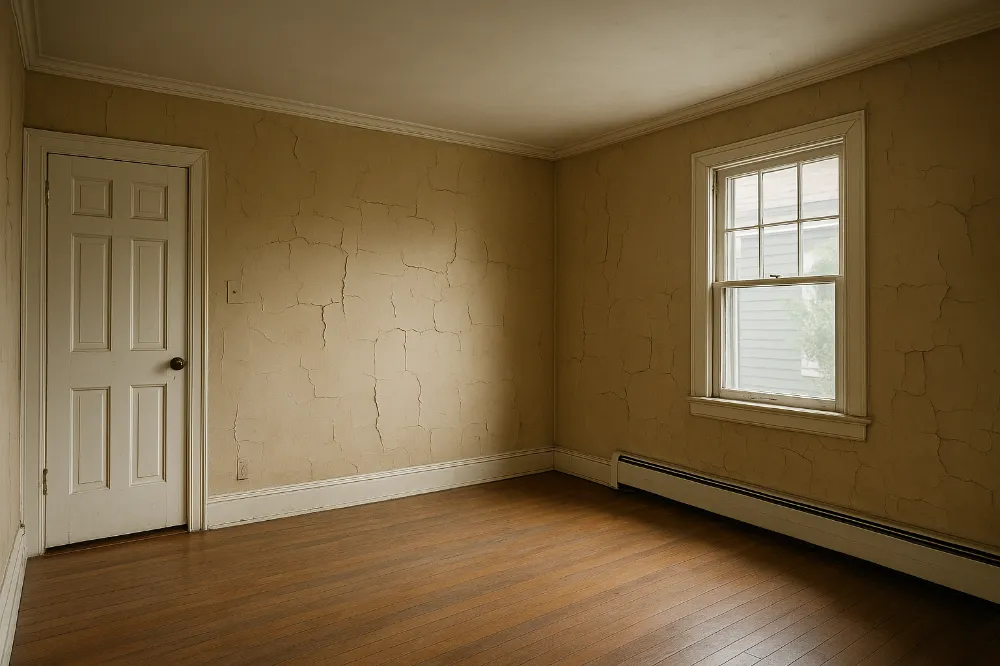
Sometimes the cracking isn’t your fault at all. Older homes especially can hide decades of layered paint. Those old layers become brittle over time, and when you apply something new on top, the old layers crack underneath and take your hard work with them. I once painted a living room that had at least six layers of old paint beneath it. Within months, I saw tiny spider-like cracks appear across the wall. When I looked up how to tell if old paint is causing problems, I discovered that brittle paint behaves almost like dry leaves touch it the wrong way, and it crumbles. Fresh paint can’t hide a failing foundation.
Using the Wrong Paint for the Surface or Room
Oh, the number of times I have used the wrong type of paint. Bathrooms need moisture-resistant paint. Trim needs harder, more durable paint. Furniture needs a formula designed for wood. When I first started painting, I didn’t know any of this. I put regular interior paint in a bathroom and wondered why it cracked and peeled, or why the finish looked chalky within months. Eventually I learned that best paint types for high-moisture rooms are specially formulated to handle heat and humidity. And speaking of materials, reading the Wikipedia page on latex paint helped me understand why some paints crack while others flex with temperature changes. Using the wrong paint is like wearing slippers in the rain they work great until they suddenly don’t.
Applying Paint Too Thick or Too Quickly
My impatience has absolutely caused cracked paint. I used to think thick coats covered better, or that applying a second coat early wasn’t a big deal. But as I later learned, drying too quickly on the outside while staying wet underneath creates tension that turns into cracking. Once I researched how long to wait between paint coats, I realized just how much my schedule (and desire to be done before dinner) was sabotaging my paint. Even when it looked dry, it wasn’t truly cured. And uncured paint under another layer basically becomes a time bomb.
Temperature Extremes Making the Paint Behave Badly
Temperature affects paint in ways I didn’t understand until I watched a garage project start cracking in record time. Hot weather dries the top layer too fast, while cold weather prevents paint from curing at all. High humidity traps water inside the paint film. If you’ve ever wondered what happens if you paint in cold temperatures, the short answer is: nothing good. The paint dries soft, weak, and prone to cracking or peeling. Paint is sensitive it doesn’t want extremes. And when it’s exposed to swings in heat or cold, it takes it out on your walls.
Wood Expanding and Contracting Behind the Paint
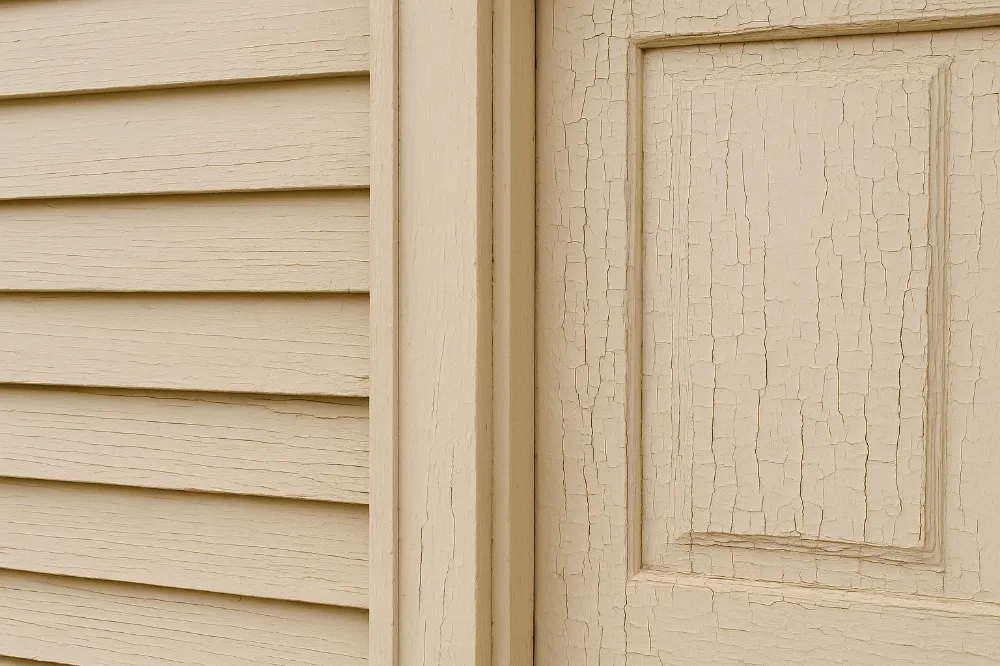
Wood moves. Constantly. Humidity makes it swell, dry air makes it shrink, and temperature swings make it flex. When paint can’t move with the wood, it cracks along the grain. This is especially common on baseboards, window trim, cabinets, and doors. I once tried to figure out how to fix cracked paint on old wood trim, and it turned out the problem wasn’t the paint itself the wood underneath was shifting throughout the seasons. Oil-based paints crack faster here because they become brittle with age. Latex helps, but even latex can fail if the wood wasn’t properly primed or sealed.
Ceiling Cracks: A Special Kind of Frustration
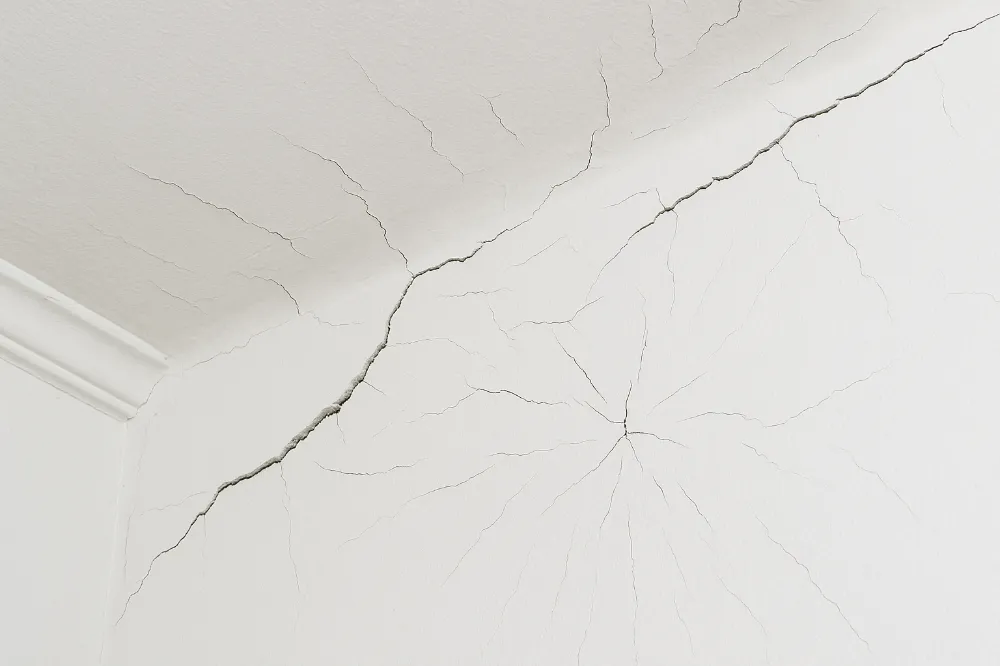
Ceilings are their own category of pain. They’re prone to moisture from above, heat rising, poor prep, and hidden drywall issues. Cracks in ceilings often come in straight lines or branching hairline patterns, and when I went down the rabbit hole of what causes ceiling paint to crack in straight lines, I learned it’s usually the drywall seams or old joint compound failing. Painting over those areas without fixing the underlying problem just guarantees more cracks later. Ceilings also collect more dust than you think, and paint won’t adhere to dusty surfaces at all.
Furniture Paint Cracking Because of Hidden Residues or Wrong Preparation
Furniture painting may look simple on Pinterest, but in real life? It’s a prep-intensive rollercoaster. I’ve had furniture paint crack because of old wax residue, oily stain underneath, or failing varnish layers. When I researched how to repair cracked paint on furniture, I realized furniture needs more prep than nearly anything else sanding, cleaning, priming, and sometimes even de-waxing. If the old finish is unstable, every layer on top becomes unstable too.
Using Old or Expired Paint Without Realizing It
Old paint absolutely causes cracking. I once wondered why a dresser I painted started cracking even though I prepped perfectly. Then I realized the paint had been in the garage for over six years. Paint breaks down chemically over time, and even if it looks okay when stirred, the binders may be weakened. That means the paint dries unevenly and cracks easily. If the formula looks stringy or lumpy, the whole project is doomed before you even start. That day, I learned more about how to fix cracked paint than I ever planned to.
Exterior Paint Cracking Under Sun and Heat
Exterior paint is a whole different beast. I once painted an outdoor bench without proper exterior paint, and it cracked within a season. UV rays, rain, and extreme temperatures are relentless. After researching why exterior paint cracks in the sun, I learned that interior paint simply can’t expand and contract with outdoor conditions. Exterior paint has flexible polymers that allow it to stretch, but even then, it needs proper prep and sealing. Sun-exposed surfaces crack the fastest when paint isn’t built for the job.
What Happens When You Paint Too Glossy or Too Chalky Surfaces
Painting over glossy surfaces without sanding is asking for cracks. Painting over chalky, dusty surfaces without cleaning is asking for peeling. And if you’re dealing with multiple layers from different eras, sometimes a bonding primer is the only way to save the project. A quick search for best primer for painting over glossy surfaces taught me that regular primer isn’t always enough sometimes you need specialty formulas designed to grab onto shiny finishes. Once I switched to those, my paint stopped cracking on cabinets and trim.
Temperature-Stressed Walls and Exterior Wood
If you’ve ever noticed cracks near a garage, sun-facing wall, or uninsulated room, temperature swings are likely to blame. And the thicker the paint, the worse the cracking. In one of my projects, I painted an exterior door on a hot day thinking it would dry faster wrong. The paint cracked within a month. That’s when I looked into why thick paint coats crack over time and realized that paint needs slow, even drying to stay flexible. Anything that dries too fast becomes brittle.
Fixing Cracked Paint the Right Way Even If It Means Backtracking
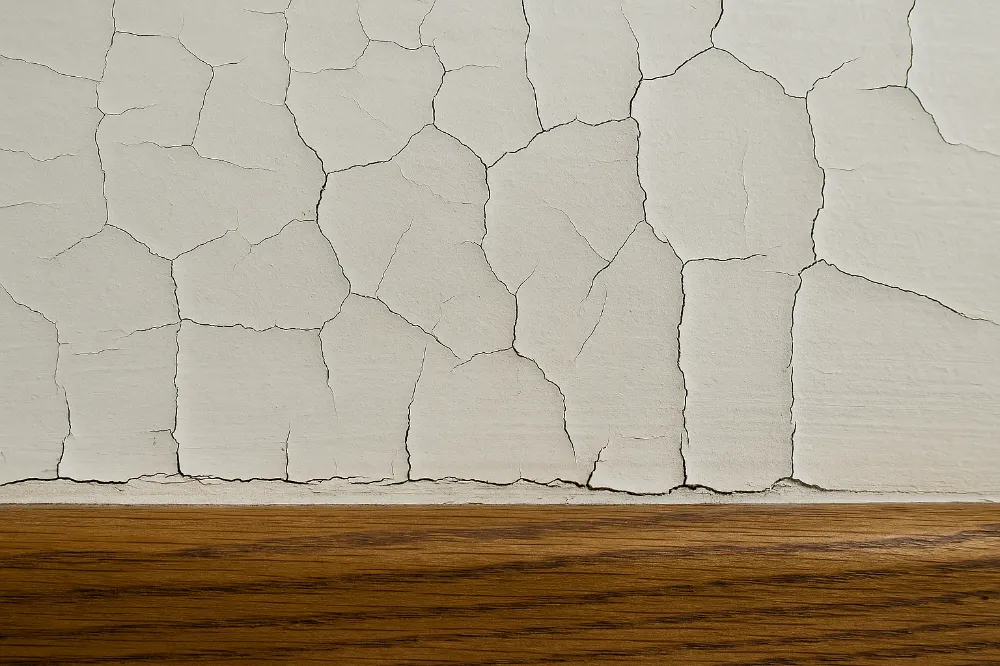
The sad truth is, there’s no quick-fix for cracked paint. You have to scrape off all the loose areas, sand smooth, clean thoroughly, prime correctly, and repaint with thin, intentional coats. No amount of painting over cracks will hide them they always return. If you’re unsure where to start, looking up how to fix cracked paint gives you a step-by-step approach that actually works. It’s tedious, but it’s worth it.
What I Do Now to Prevent Cracking From Happening Again
After years of trial and error, I’ve built a list of habits that have saved me countless headaches. I always prep thoroughly, I use primers appropriate to the surface, I choose paint based on the room’s needs, and I pay attention to cleanliness, temperature, and humidity. I no longer rush coats, and I definitely don’t paint in bad weather. And because I’ve learned so much the hard way, I now check things proactively whether it’s ensuring ventilation in a bathroom so I never again wonder why does bathroom paint peel after a shower, or double-checking whether a previous layer is oil- or latex-based. Once you understand these causes, you start noticing warning signs before they become problems.
FAQs
Fresh paint cracks quickly when the surface wasn’t properly cleaned, sanded, or primed before painting.
Yes. High humidity or poor ventilation can trap moisture behind the paint, leading to bubbling and cracking.
Moisture and steam weaken adhesion, especially if regular wall paint was used instead of moisture-resistant paint.
This typically happens when drywall seams or old joint compound begin to fail beneath the surface.
Painting over cracks doesn’t solve the issue. You must scrape, sand, prime, and repaint for a lasting fix.
Seal and prime the wood properly and use a flexible paint that can expand and contract with changing temperatures.
UV exposure and heat cause interior-grade or low-quality paint to become brittle and crack.
Absolutely. Brittle or unstable older layers often crack from below and push through the new paint.
Thick coats dry unevenly and often crack as the surface skin dries faster than the layers beneath.
Rub a small spot with rubbing alcohol. If the paint softens, it’s latex. If it stays hard, it’s oil-based.