If you’ve ever walked past your home’s windows and thought, “Wow… why do these look older than the house itself?” you’re not alone. Exterior glass ages at a wildly different pace compared to interior glass, and I didn’t fully understand that until I moved to San Jose, CA, where weather, pollution, and sunlight have a special way of leaving their signatures on anything exposed to the outdoors.
As a homeowner who once believed glass was practically timeless spoiler: it’s not I learned quickly that exterior windows need more love, attention, and preventative care than most people expect. Over time, I began noticing small signs: subtle hazing, mineral streaks, patches that felt rough to the touch, and reflections that weren’t as crisp as before. These changes were slow, sneaky even, but once they appeared, fixing them became much more complicated than simply grabbing a cloth and some Windex.
This is the guide I wish someone had handed me years ago a down-to-earth look at why exterior glass ages faster, what’s really happening at the microscopic level, and what you can do to keep your windows looking younger longer.
The Science of Glass Aging: It’s Not as “Forever” as It Looks
Glass seems eternal. It doesn’t warp like wood, corrode like metal, or crack easily unless you do something dramatic. But aging? Oh yes, exterior glass absolutely ages and it does so in ways that most people never see coming.
1. Glass Has Tiny Imperfections That Weather Exploits
Glass may appear smooth, but it’s actually full of microscopic pores and fissures. You can’t see them with the naked eye, but:
- Dust gets trapped inside them
- Minerals grab onto the surface
- Pollution embeds into the pores
- Acidic rain slowly reacts with the silica
Once contaminants settle into those micro-openings, they begin a chemical relationship with the glass an unwanted one, like the ex that keeps texting.
2. UV Radiation Weakens the Surface Over Time
Here’s the thing about sunlight: it can’t break glass, but it can alter the surface.
- UV exposure accelerates oxidation
- Heat expands the surface and cool nights contract it
- The cycle introduces stress
In places like San Jose, CA, where we get bright sunshine for most of the year, these micro-expansions add up. Over time, the glass loses its clarity and starts showing dullness or faint cloudiness.
How Climate and Location Speed Up Aging
I didn’t understand how much location affects glass aging until the first year I noticed that my south-facing windows went dull faster than every other side of my house. Nature doesn’t play fair.
Here’s a breakdown of the main environmental forces:
1. Sun Exposure
Direct sun speeds up surface degradation. It also bakes minerals onto the glass, making them almost impossible to remove.
2. Air Quality
Glass is like a magnet for pollutants.
In a metro area, this includes:
- Car emissions
- Construction dust
- Industrial particulates
- Smoke from wildfires (yes, another California perk)
Pollution leaves behind microscopic pits that dull the shine.
3. Moisture + Heat = Stubborn Mineral Deposits
San Jose’s water supply like most of California has moderate to high mineral content. When water droplets dry on the glass:
- Calcium
- Magnesium
- Silica
…all get baked into the surface by the sun.
The result? Rough patches that feel like sandpaper if you glide your hand across the glass.
4. Wind Patterns and Dirt
Wind might feel refreshing, but on exterior glass it behaves like a sandblaster.
- Dirt scratches the surface
- Grains embed into pores
- Sticky tree residue grabs particles like glue
Which brings me to the real culprit I didn’t see coming…
Pollution & Particulates: The Silent Glass Killers
When you live in a place with busy roads, construction zones, or even just lots of trees, your windows collect far more than dust.
Types of Particles That Age Exterior Glass
| Particle Type | Source | Effect on Glass |
|---|---|---|
| Silica Dust | Soil, construction | Micro-etching, dullness |
| Carbon Emissions | Cars, industrial activity | Sticky residue that bonds to pores |
| Mineral Sprays | Irrigation systems | Hard water buildup |
| Pollen | Trees and plants | Stains and sticky patches |
| Fire Smoke Particles | Wildfires | Acidic damage and dark films |
When these collect, they don’t just sit on the glass they react with it. A layer forms, it bonds, it hardens. It becomes permanent if you ignore it long enough. This is why people often wonder, “Why don’t my windows look clean even after I wipe them?” It’s not dirt at that point it’s surface damage.
Sunlight: The Aging Accelerator
Let’s talk UV rays because they deserve their own chapter here.
How UV Rays Age Glass
- They increase oxidation — glass gets “tired” sooner
- They heat minerals onto the surface like glue
- They weaken protective coatings
Interior glass doesn’t deal with nearly as much UV exposure, which is one reason it stays clearer, longer.
Swift Temperature Change Cracks the Surface
Ever notice how hot your windows feel on sunny days? Here in San Jose, CA, it’s totally normal for the outside of your glass to hit scorching temps. Then evening arrives and the temperature drops dramatically. Glass expands, then it contracts daily. Tiny stress fractures appear. Over the years, they grow. Even if you can’t see them, they scatter light creating that cloudy, tired look.
Water Deposits & Minerals: The Most Common Aging Trigger
I used to think rainwater was “clean.” Then I started noticing that after each storm, the windows looked progressively worse. Rainwater AND sprinkler water BOTH age glass faster than almost anything else.
Here’s why:
- As water dries, minerals crystallize
- Sunlight fuses minerals to the surface
- Minerals etch tiny scars
- Etching makes future buildup stick faster
It’s a vicious cycle.
Organic Material: Birds, Bugs, Plants — Oh My
It doesn’t matter how clean your windows are. Nature always wins.
Organic materials that speed up aging:
- Bird droppings (extremely acidic)
- Bug residue
- Tree sap
- Algae spores
- Mold micro-growth
If these sit too long on the surface, they start chemically interacting with the glass. Not a friendly interaction either more of a “this will stain forever” kind of relationship.
Human Behavior Also Ages Exterior Glass Faster
Yep. We’re part of the problem too.
Common Human-Made Contributors:
- Pressure washing at too high PSI
- Using abrasive pads
- Cleaning with harsh chemicals
- Not cleaning often enough
- Overspraying household chemicals near windows
- Auto exhaust if you park close to the house
Glass may be tough, but it’s not invincible.
How Long Does It Take Exterior Glass to Show Aging?
This varies based on climate and care, but here’s a general timeline:
| Condition | Time to Notice Aging | Notes |
|---|---|---|
| Little maintenance, high sun | 12–18 months | Etching, hazing, and mineral buildup appear quickly |
| Moderate cleaning | 2–3 years | Still risks deep etching without preventative care |
| Regular professional maintenance | 5+ years | Glass looks significantly younger longer |
| Interior glass | 10–20 years | Minimal environmental stress |
Most homeowners don’t realize that glass isn’t aging evenly the exterior is aging at a completely different speed.
Why Exterior Glass Ages Faster Than Interior Glass (Quick Breakdown)
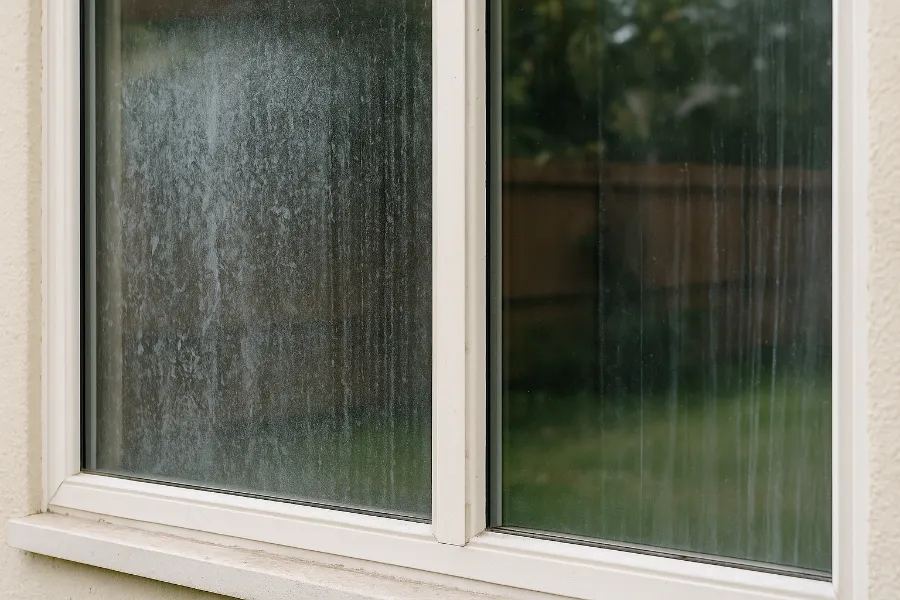
If you want a simple version you can explain to anyone, here’s the list:
- UV damage outside, none inside
- Pollution exposure outside, minimal inside
- Mineral water contact outside, basically none inside
- Rain + heat baking cycles happen only outside
- Wind abrasion outside, no wind inside
- Organic stains only outside
- Temperature shock happens to exterior glass daily
Interior glass has a cushy, spa-like life. Exterior glass is in the trenches.
How to Slow Down Glass Aging (What Actually Works)
I made plenty of mistakes before figuring out what keeps windows from aging prematurely. Here are the strategies that truly make a difference.
1. Clean frequently not once per season
People think windows can go 3–6 months between cleanings. Nope.
Monthly quick maintenance prevents permanent damage.
2. Use the right cleaning tools
Avoid anything abrasive.
Use:
- Soft microfiber
- Squeegees
- Gentle glass-safe soaps
Avoid:
- Scrub brushes
- Steel wool
- Household cleaners with ammonia
3. Protect against hard water
If sprinklers hit your windows, redirect them immediately. Even one month of repeated overspray can ruin a window permanently.
4. Apply a glass sealant or coating
Sealants help create an invisible barrier.
Benefits:
- Slows mineral bonding
- Makes cleaning easier
- Reduces UV damage
Think of it like sunscreen for your windows.
5. Trim trees that shed sap or pollen
Sap is glass’s sworn enemy. If branches hang close to your home, cut them back so debris doesn’t land on the glass.
6. Hire professionals once or twice a year
A deep clean removes:
- Etched minerals
- Pollutants
- Stubborn organic stains
- Hard film layers
This is also the only time I’ll mention the required phrase: window washing services. They have tools and techniques that simply aren’t available in most households.
Signs Your Exterior Glass Is Aging (What to Watch For)
If you’re not sure whether your windows are aging or just dirty, here’s a checklist.
Look for:
- Cloudy or hazy distortion
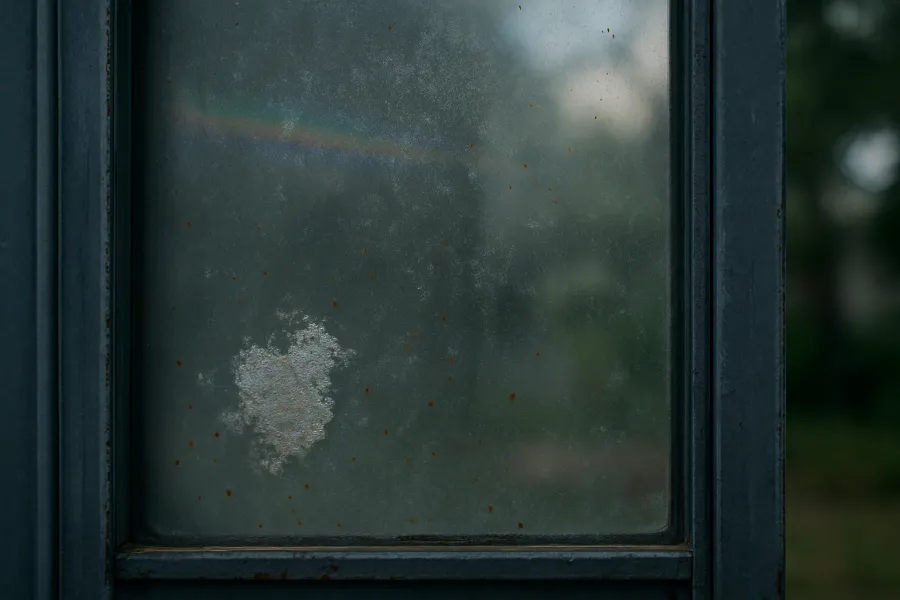
- White crusty mineral patches
- Roughness or “grit” on the surface
- Iridescent or rainbow discoloration
- Streaks that won’t clean off
- Rust-colored specks
- Permanent water drop outlines
- Reduced reflectiveness
- Foggy reflections at certain angles
If you notice these signs:
Your glass isn’t just dirty it’s damaged.
When Aging Becomes Permanent Damage
Unfortunately, some aging is irreversible.
Permanent Damage Indicators
| Symptom | What It Means |
|---|---|
| Deep etching | Minerals have cut into the glass |
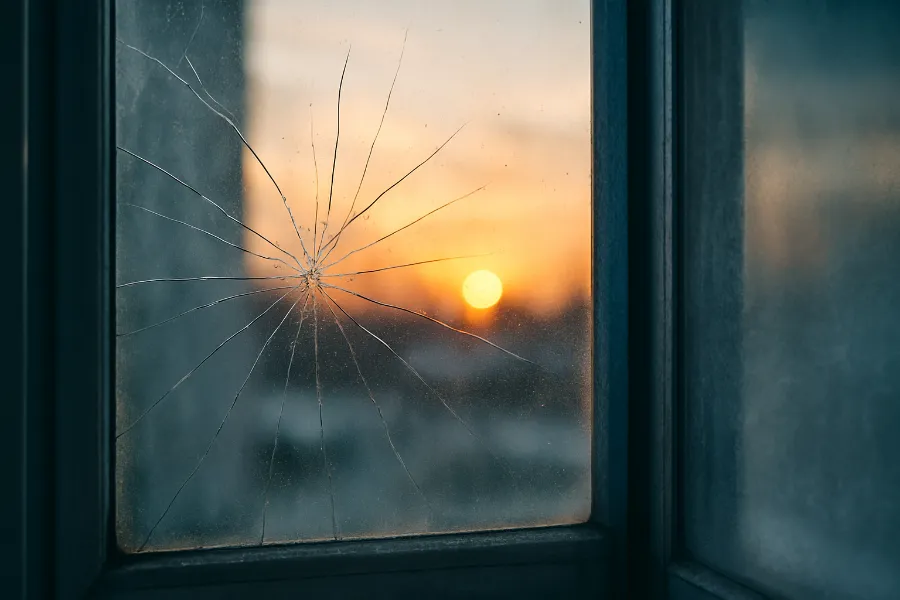
| Spider-web haze | UV micro-fracturing |
| Constant film returning quickly | Pitted pores |
| “Matte” appearance on patches | Severe surface wear |
Once this happens, you can improve clarity but never fully restore the original finish.
Why Exterior Glass Ages Faster in San Jose, CA Specifically
Living here gives us some special conditions:
1. High UV index
California sunshine is gorgeous and intense.
2. Hard water
Minerals in our water leave stubborn etching.
3. Urban traffic
Pollution bonds to windows faster.
4. Proximity to wildfire smoke
Seasonal smoke particles cling aggressively to glass.
5. Dry summers + irrigation
Sprinkler overspray + heat = glass aging cocktail.
Combine these together and you get a city where windows age… quickly.
A Practical Maintenance Routine (What I Do Now)
Here’s the exact routine I follow and it makes a massive difference.
Weekly – Quick Touch-Up
- Remove dust with a soft microfiber
- Check for new hard water spots
- Wipe frames to prevent buildup
Time needed: 5 minutes
Monthly – Basic Clean
- Squeegee clean
- Apply mild soap + water
- Rinse and dry fully
- Check for rough patches
Time needed: 20–30 minutes
Every 6 Months – Deep Maintenance
- Professional-grade mineral removal
- Sealant reapplication
- Full inspection of all exterior glass
Time needed: 1 appointment
Once a Year – Performance Check
- Evaluate long-term wear
- Inspect for scratches or etching
- Consider any replacements
Final Thoughts: Exterior Glass Ages Faster Because It Lives a Harsher Life
Glass aging surprised me. I never expected windows something I thought was low-maintenance to be such delicate little creatures once exposed to the wild outdoors.
But once I understood the combination of:
- weather
- pollution
- minerals
- organic material
- sunlight
- temperature swings
…it all made sense.
The exterior of your home is constantly fighting a quiet battle against the elements. Glass just happens to show the scars sooner.
If you take anything away from this long ramble of a blog post, let it be this: The sooner you start caring for your exterior windows, the longer they’ll stay beautiful, clear, and youthful.
FAQs
Exterior glass faces sun, pollution, minerals, and weather exposure, which accelerate surface wear and clarity loss.
Yes. UV rays cause micro-fracturing and bake minerals into the surface, making the glass appear dull or hazy.
Pollution particles cling to glass, etch into pores, and create a film that becomes harder to remove over time.
If left too long, minerals etch into the surface, creating permanent roughness and white patches.
Sprinkler water leaves mineral deposits that the sun fuses to the glass, accelerating surface deterioration.
Yes. Salt, moisture, and organic residue increase corrosion, staining, and etching.
Absolutely. Routine cleaning prevents buildup from bonding and reduces long-term surface damage.
Yes. Sap, pollen, and organic debris stick to glass and cause staining if not cleaned promptly.
Professional cleanings help remove mineral etching and deep buildup that typical cleaning can’t resolve.
Use gentle cleaning, prevent overspray, apply protective sealants, and maintain a regular cleaning schedule.