Water damage or leaks in your home can happen suddenly and cause serious problems if not handled as soon as possible. According to the Insurance Information Institute, water damage and freezing account for nearly 24% of all homeowners insurance claims, making it one of the most common home emergencies. Knowing who to call can save you time, money, and stress.
Many homeowners panic when they see water spreading across floors or dripping from ceilings. The key is understanding that different professionals handle different parts of the problem. Acting fast and calling the right expert helps reduce damage and prevents long-term issues like mold and structural decay.
Is Water Damage or a Leak an Emergency?
Water damage becomes an emergency when it threatens your safety or the structure of your home. Burst pipes, flooding, sewage backups, and ceiling leaks all require fast action. Delaying repairs can cause water to spread and weaken walls, floors, and foundations.
Even small leaks can turn into emergencies if left untreated. Water can seep into hidden areas like drywall and insulation, causing damage you cannot see right away. If you are not sure, it is always safer to treat water damage as urgent.
Who to Call First for Water Damage or Leaks
Plumber – For Active Leaks and Pipe Problems
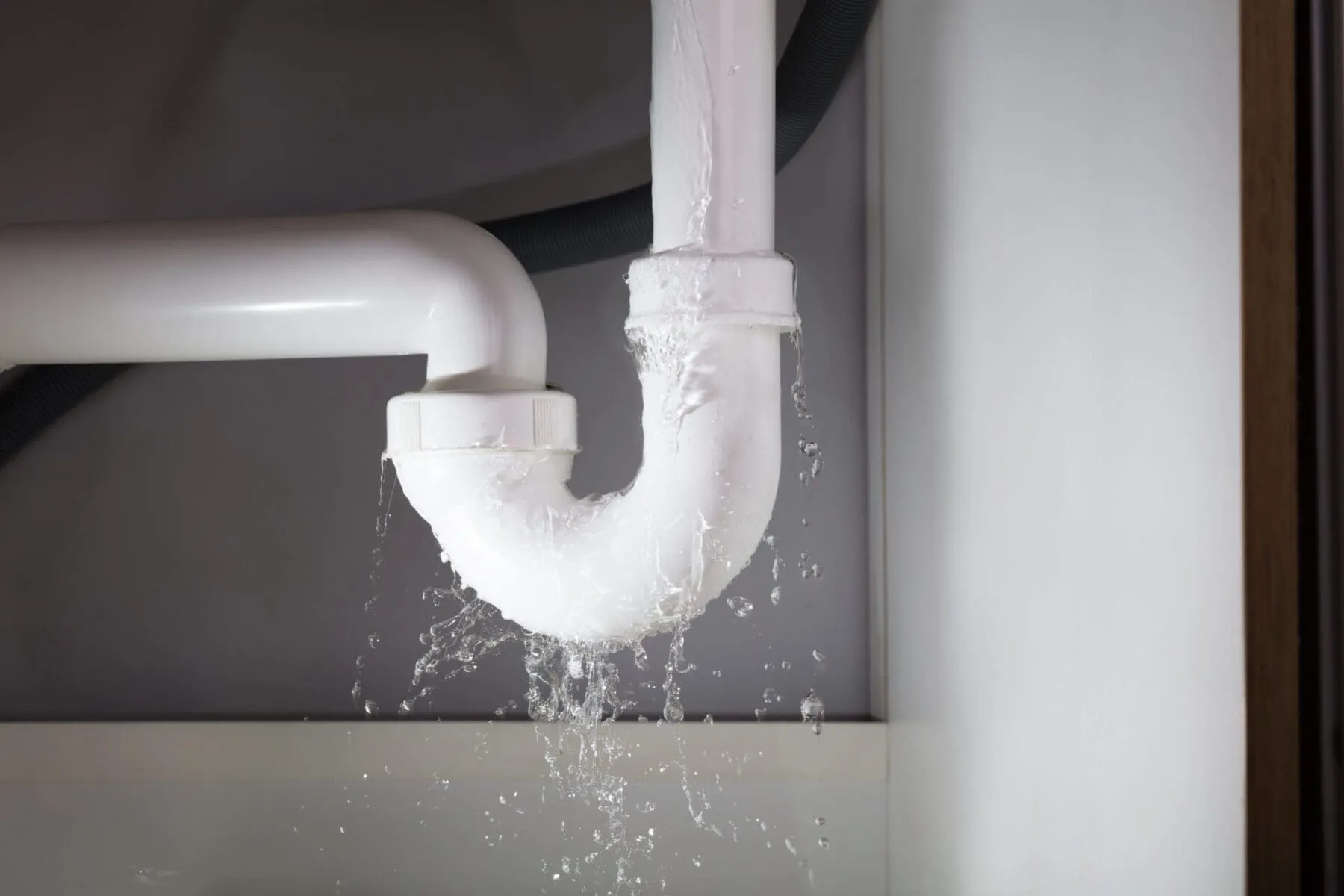
A plumber should be your first call when water is actively leaking. They specialize in stopping the source of water, such as burst pipes, broken valves, or leaking fixtures. Fixing the leak quickly prevents more water from entering your home.
Plumbers focus on repairs, not cleanup. Once the leak is stopped, water may remain in floors, walls, or ceilings. This is where another professional becomes necessary to handle the damage left behind.
Water Damage Restoration Company – For Cleanup and Repairs
A water damage restoration company handles the cleanup after the leak is stopped. They remove standing water, dry affected areas, and repair damaged materials. Their goal is to return your home to a safe and livable condition.
These professionals use specialized equipment such as industrial dryers and dehumidifiers. Without proper drying, moisture can remain trapped and lead to mold growth. Restoration companies also know how to identify hidden water damage.
Plumber vs. Water Damage Restoration Company: What’s the Difference?
Plumbers and restoration companies serve different but equally important roles. A plumber fixes the problem that caused the water damage, such as broken pipes or faulty appliances. A restoration company repairs the damage caused by the water itself.
In many cases, you will need both professionals. Calling only a plumber may stop the leak, but it does not address soaked materials or moisture buildup. Working with both ensures the issue is fully resolved.
Who to Call for Different Water Damage Situations
Burst Pipe or Major Leak
A burst pipe releases large amounts of water in a short time. The first step is calling a plumber to shut off and repair the pipe. Once the water source is controlled, a restoration company should be contacted for cleanup.
These situations often cause widespread damage. Floors, walls, and furniture may all be affected. Acting fast reduces the chance of mold and structural problems.
Flooded Basement or Crawl Space
Flooded basements and crawl spaces require professional water extraction. A water damage restoration company has the tools to remove standing water safely. They also dry and sanitize the area to prevent mold and odors.
Basements are especially vulnerable because water collects there easily. Moisture left behind can weaken foundations over time. Professional drying is very important in these areas.
Ceiling or Wall Water Damage
Water stains on ceilings or walls often mean hidden leaks. A plumber may be needed to locate and fix the source. Afterward, a restoration company can dry and repair the damaged materials.
Ignoring ceiling or wall damage can be dangerous. Wet drywall can collapse and create safety hazards. Early inspection helps prevent costly repairs.
Appliance Leaks (Washer, Dishwasher, Water Heater)
Appliances can leak slowly or suddenly. A plumber should repair or replace the faulty appliance or connection. If water spreads beyond the immediate area, restoration services are needed.
Even small appliance leaks can cause serious damage over time. Water can seep under floors and behind cabinets. Quick action limits the extent of the damage.
Should You Call Your Insurance Company?
In many cases, you should notify your insurance company as soon as possible. Water damage may be covered depending on the cause and your policy. Early reporting helps avoid claim delays or denials.
Document the damage with photos and videos before cleanup begins. Keep receipts and records of all repairs and services. Some restoration companies can assist with insurance paperwork.
What to Do While Waiting for Help
While waiting for professionals to arrive, take steps to limit damage. Shut off the main water supply if it is safe to do so. Turn off electricity in affected areas to reduce safety risks.
Move furniture and valuables away from water if possible. Avoid using household fans or heaters incorrectly, as this can spread moisture. These small actions can make a huge difference.
How to Choose the Right Water Damage Professional
Choosing the right professional is critical for proper repairs. Look for licensed and insured companies with emergency availability. Experience with water damage and insurance claims is also important.
Local providers often respond faster and understand regional risks. Ask about response times, equipment, and warranties. Clear communication and written estimates are signs of a reliable company.
How Fast Should You Act After Water Damage?
Time is one of the most important factors in water damage recovery. The first 24 to 48 hours are critical for preventing mold growth. Acting quickly can reduce repair costs and health risks.
Water spreads and absorbs into materials rapidly. Delays allow moisture to penetrate deeper into structures. A fast response helps protect your home and belongings.
When to Call a Water Damage Restoration Company Immediately
You should call a water damage restoration company immediately if there is standing water. Sewage backups or contaminated water also require professional handling. Wet drywall, insulation, or flooring are signs that drying is needed right away.
Musty odors or visible mold are additional warning signs. These indicate moisture has been present for too long. Immediate action helps stop further damage and health concerns.
Conclusion
Knowing who to call during a water emergency makes a major difference. Plumbers stop the leak, while restoration companies repair the damage. Most serious situations require both professionals working together.
Water damage should never be ignored, no matter how small it seems. Acting quickly protects your home and prevents costly long-term issues. When in doubt, call a professional and address the problem immediately.
FAQs
If water is actively leaking, call a plumber first to stop the source. Once the leak is controlled, contact a water damage restoration company for cleanup and drying.
Yes, most water damage situations should be treated as urgent because moisture can quickly weaken structures and lead to mold growth if not addressed promptly.
No, plumbers focus on repairing leaks and pipes, not drying or restoring damaged materials. Cleanup and repairs are handled by water damage restoration professionals.
You should call immediately if there is standing water, soaked drywall, wet flooring, or signs of mold or lingering moisture.
Shut off the main water supply if possible and call a plumber right away. After the leak is fixed, contact a restoration company for water removal and repairs.
A water damage restoration company is best equipped to handle flooded basements, as they have professional water extraction and drying equipment.
Yes, even small appliance leaks can cause hidden damage over time. A plumber fixes the appliance, and restoration services address any water damage.
In most cases, yes. Notify your insurer early, document the damage, and keep records to help support your claim.
Mold can begin growing within 24 to 48 hours if moisture is not properly removed, which is why fast action is critical.