Comfort at home should never feel limited to one season of the year. Homeowners might focus heavily on staying cool during hot months, for instance, in warm cities like West Palm Beach, FL, where air conditioning becomes a priority for much of the year. But comfort does not stop when summer ends. As temperatures shift and evenings grow cooler, indoor spaces should remain just as welcoming and functional. Ignoring seasonal changes can lead to uneven comfort, higher energy bills, and unnecessary stress.
This guide breaks down practical ways homeowners can maintain indoor comfort throughout the year, no matter what the weather brings.
Understanding Year-Round Indoor Comfort
Year-round comfort comes from balance rather than reacting to extreme weather. Temperature plays a role, but it does not work alone. Humidity levels, airflow, and insulation all shape how comfortable a home feels. A space can feel unpleasant even when the thermostat shows a reasonable number if air circulation remains poor or moisture levels stay high. Comfort also changes with daily routines. What feels fine during the afternoon may feel uncomfortable at night or early morning. When homeowners understand these factors, they can make better decisions that support comfort without relying too heavily on heating or cooling systems.
Ensuring a Well-Functioning Heating System
While winters do not bring harsh cold in West Palm Beach, FL, temperatures do drop between December and February. Cooler mornings and windy days can make indoor spaces feel less comfortable than expected. A reliable heating system helps maintain warmth without sudden temperature swings. Regular maintenance keeps systems efficient and reduces the risk of breakdowns during cooler periods. Even mild weather places a strain on older or neglected equipment. A top heating contractor in West Palm Beach, FL can inspect systems, address small issues early, and recommend upgrades when needed. These steps help homeowners stay comfortable without overworking their systems.
Keeping Cooling Systems Efficient for Warm Months
Cooling systems often run for long periods, which makes efficiency essential. Dust buildup, clogged filters, and blocked vents force systems to work harder than necessary. This leads to uneven cooling and higher energy bills. Routine maintenance keeps airflow steady and improves overall performance. Homeowners should also pay attention to warning signs such as weak airflow or longer cooling cycles. Addressing these issues early helps maintain comfort during warm months and reduces wear on the system.
Improving Insulation for Seasonal Balance
Insulation helps homes maintain consistent temperatures throughout the year. Poor insulation allows heat to escape during cooler months and enter during warmer ones. This creates uneven indoor conditions and increases energy use. Attics, walls, and crawl spaces often need attention. Improving insulation reduces temperature swings and supports heating and cooling systems. When insulation works properly, homes stay comfortable longer without constant system adjustments.
Managing Indoor Humidity All Year
Humidity affects comfort just as much as temperature. High moisture levels make indoor air feel heavy, while overly dry air causes irritation and discomfort. Managing humidity helps maintain a stable indoor environment across seasons. Ventilation plays a key role, especially in kitchens and bathrooms. Dehumidifiers also support comfort during humid periods. Balanced humidity levels protect furniture, reduce odors, and improve air quality. These adjustments help homes feel comfortable regardless of outdoor conditions.
Sealing Drafts and Preventing Air Leaks
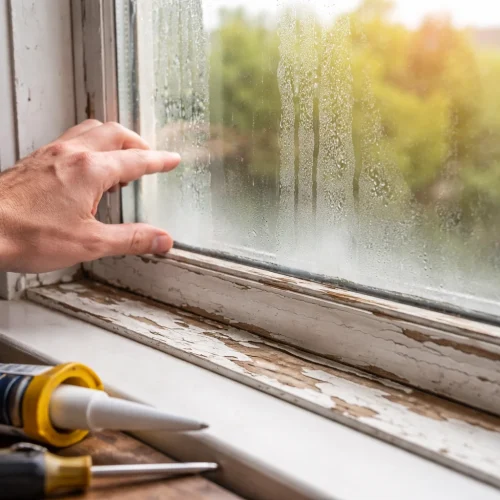
Drafts often go unnoticed, yet they have a strong impact on indoor comfort. Small gaps around doors, windows, and utility openings allow outside air to move in and conditioned air to escape. This forces heating and cooling systems to work harder and creates uneven temperatures across rooms. Sealing these gaps improves comfort right away and helps maintain steady indoor conditions. Weatherstripping, caulking, and door sweeps offer practical solutions that homeowners can implement without major renovations. When air leaks stay under control, rooms feel more stable throughout the day and night.
Optimizing Airflow and Ventilation
Balanced airflow keeps temperatures even and prevents rooms from feeling stuffy or stagnant. Blocked vents, poorly arranged furniture, and dirty ductwork disrupt circulation and reduce comfort. Air needs a clear path to move freely through a home. Regular vent cleaning and thoughtful furniture placement make a noticeable difference. Ventilation also supports fresh air exchange, which improves comfort and reduces lingering odors. When airflow stays consistent, heating and cooling systems perform better and indoor spaces feel more comfortable year-round.
Using Smart Thermostats for Seasonal Control
Smart thermostats give homeowners greater control over indoor comfort without constant adjustments. These devices adapt to daily routines and seasonal changes, helping maintain stable temperatures while reducing unnecessary energy use. Automated scheduling allows homes to stay comfortable during occupied hours and conserve energy when spaces remain empty. Many systems also provide insights into usage patterns, helping homeowners make informed decisions. With thoughtful programming, smart thermostats support comfort without requiring constant attention.
Maintaining Indoor Air Quality Throughout the Year
Indoor air quality affects comfort, health, and overall well-being. Dust, allergens, and pollutants circulate through homes more easily when systems lack proper filtration. Clean air helps maintain comfort during every season. Regular filter changes reduce buildup and support airflow. Air purifiers and proper ventilation further improve air quality. When air feels fresh and clean, indoor spaces feel more comfortable, even during temperature changes. This creates an environment that supports daily living rather than disrupting it.
Planning Preventive Maintenance for Every Season
Preventive maintenance plays a key role in long-term comfort. Waiting for systems to fail often leads to discomfort and unexpected expenses. Seasonal inspections allow small issues to be resolved before they grow into larger problems. Maintenance supports efficiency and extends the life of equipment. It also provides peace of mind, knowing systems will perform when needed. A proactive approach reduces stress and helps homeowners stay ahead of seasonal shifts.
Conclusion
True comfort comes from consistency and intention rather than reacting to discomfort as it appears. Homes that feel comfortable throughout the year reflect thoughtful care and steady attention. When homeowners address airflow, air quality, insulation, and maintenance together, comfort becomes easier to maintain. These efforts support not only physical comfort but also peace of mind. A home that adapts smoothly to seasonal change creates a more relaxed and dependable living environment for everyone inside.
FAQs
It means maintaining balanced temperature, humidity, airflow, and air quality so your home feels comfortable in every season.
Issues like poor airflow, high humidity, or air leaks can make a home feel uncomfortable despite correct temperature settings.
Yes, even mild winters bring cooler mornings and evenings where a reliable heating system improves comfort.
Most systems should be inspected and serviced at least once a year to ensure efficiency and reliability.
Proper insulation reduces heat gain and loss, helping maintain steady indoor temperatures year-round.
High humidity makes air feel heavy, while low humidity causes dryness—both reduce comfort and air quality.
Gaps around doors, windows, and utility openings are common sources that allow unwanted air movement.
Yes, they adapt to schedules and seasonal changes, keeping temperatures consistent while saving energy.
Cleaner air reduces allergens, odors, and irritation, making indoor spaces feel fresher and more comfortable.
It helps prevent breakdowns, improves system efficiency, and ensures comfort during seasonal transitions.