Your HVAC system is usually not paid much attention to until the house feels too hot, becomes overchilled, or the airflow suddenly weakens. Utility bills rise without a direct explanation, certain rooms remain too warm, and strange noises appear, yet these signs are simple to ignore during a busy week.
When seasonal demand increases, those minor problems impose an additional burden on components and lead to unexpected repairs at inconvenient times. Consequently, this decreases comfort while increasing costs, and service becomes an urgent need instead of a planned task.
This is where working with experienced professionals like Everest HVAC makes a measurable difference. By detecting wear early and stabilizing the performance of the systems, scheduling a timely service with the experts of Everest HVAC helps avoid that pattern.
Frequent checks ensure the efficiency of equipment, minimize the risk of breakdown, and stabilize indoor conditions. This article provides an understanding of when you need maintenance with the Everest HVAC professionals and why the right timing ensures that your system is efficient, dependable, and prepared to handle any season.
1. Pre-Season Cooling System Check
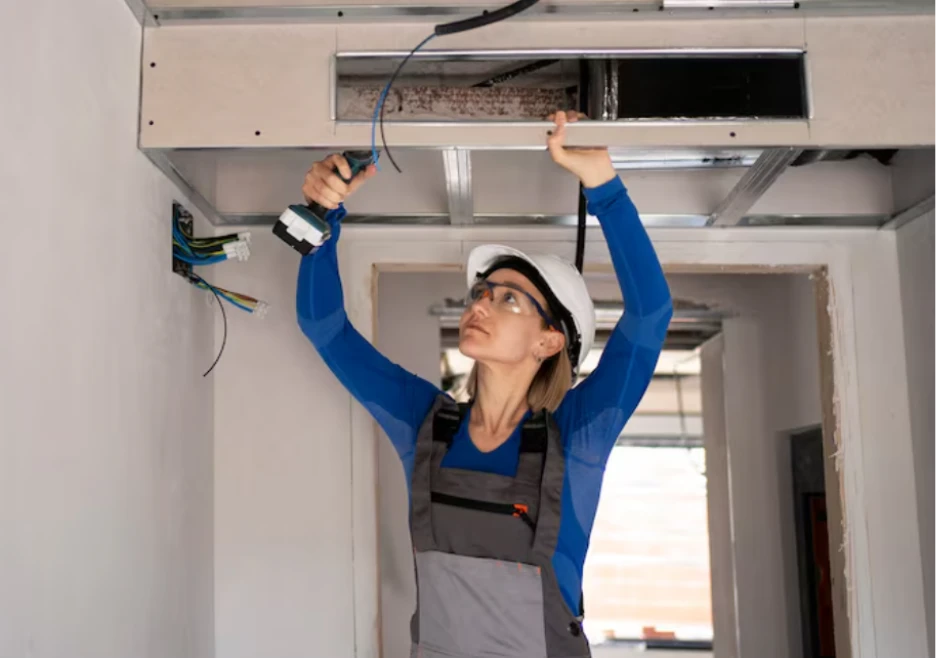
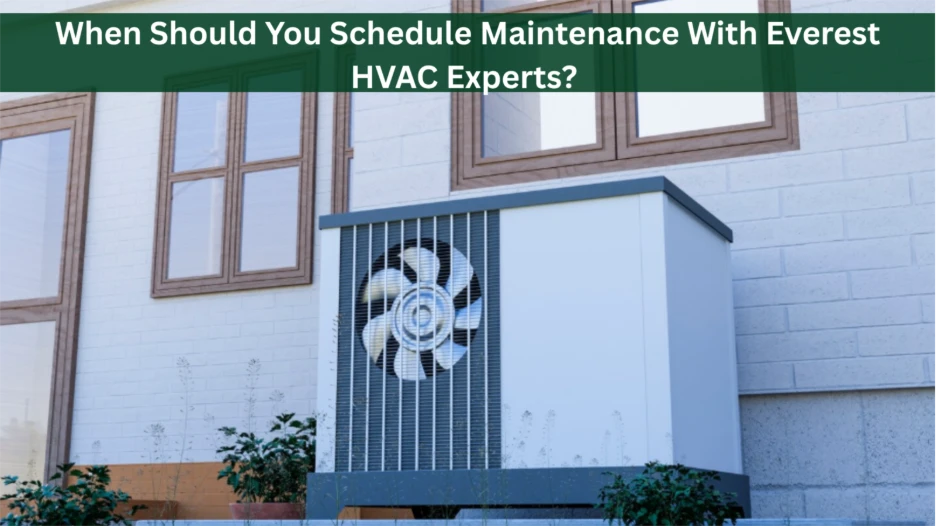
Prior to the start of summer, it is recommended to schedule your maintenance with the Everest HVAC so that your cooling system can run at its maximum capacity. Technicians check coils of the condensers, control the degree of refrigerant, examine electrical connections, and measure airflow to ensure it is stable.
These measures enhance efficiency and minimize the likelihood of straining the system when it is under constant use. Early service also gives time to rectify worn parts even before the temperature starts to rise.
Moreover, some preventive inspections minimize the risk of emergency repair and maintain the output of cooling at steady levels. Scheduling such a visit helps reduce energy consumption, maintain constant interior comfort, and ensure a reliable system operation when outdoor temperatures increase.
2. Pre-Season Heating System Inspection
Fall maintenance by Everest HVAC equips your heating equipment for extended use in winter. Through this service, technicians inspect ignition systems, check the state of the heat exchangers, test safety controls, and ensure that there is the right airflow.
These checks guarantee the stable operation of heating and minimize the possibility of unexpected shutdowns. Early checking is also necessary to know any minor wear that might affect the efficiency during peak demand.
Regular heating requires stable air circulation and proper response of thermostats, which is restored by maintenance. Pre-scheduling the service prevents emergency calls and provides stable management of the interior temperatures throughout the season.
3. Utility Cost Increase Without Usage Change
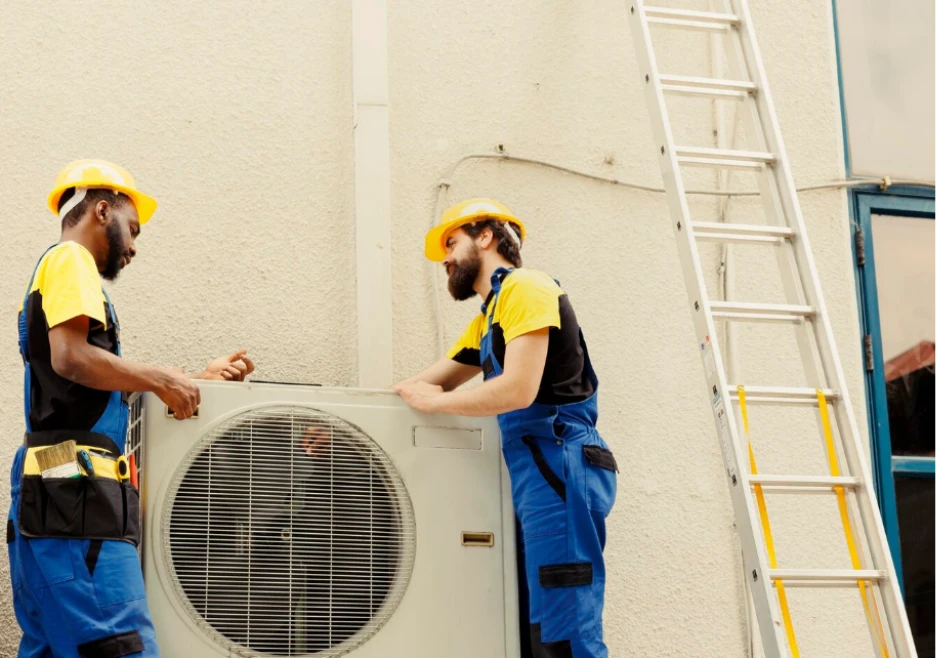
In cases where the utility cost rises without any change in the thermostat or the usage, then the efficiency of such a system tends to decrease. Everest HVAC identifies causes such as restricted airflow, dirty coils, improper refrigerant levels, or worn electrical components that extend run time and increase energy use.
Technicians conduct performance measurements in order to identify the point of energy loss and rectify such cases before they can impact major components. Restoring appropriate heat circulation and ventilation minimizes the operating periods and stabilizes variation in monthly expenditures.
Moreover, early service also helps avoid the unnecessary load on motors and compressors, thus contributing to the increased equipment life. Managing efficiency decline at this level maintains the performance level and prevents costly repairs in the future.
4. Uneven Temperature Across Rooms
The differences in temperature of the rooms tend to indicate an airflow imbalance, duct leakage, or declining blower performance. Everest HVAC technicians assess the duct condition, check air flow in the various supply points, and tune thermostat response to normalize even distribution.
They also ensure that there are no blocked vents, insulation gaps, or return air blockages, which influence the balance of the system. These changes enable the system to achieve the target temperature without long run cycles and excess energy consumption.
Lack of balanced airflow causes the equipment to work more, and this decreases efficiency in the long run. Early maintenance eliminates these conditions, enhances comfort in all rooms, facilitates proper filtration, and assists in the consistent system performance throughout the entire home.
5. Continuous Operation Without Setpoint Achievement
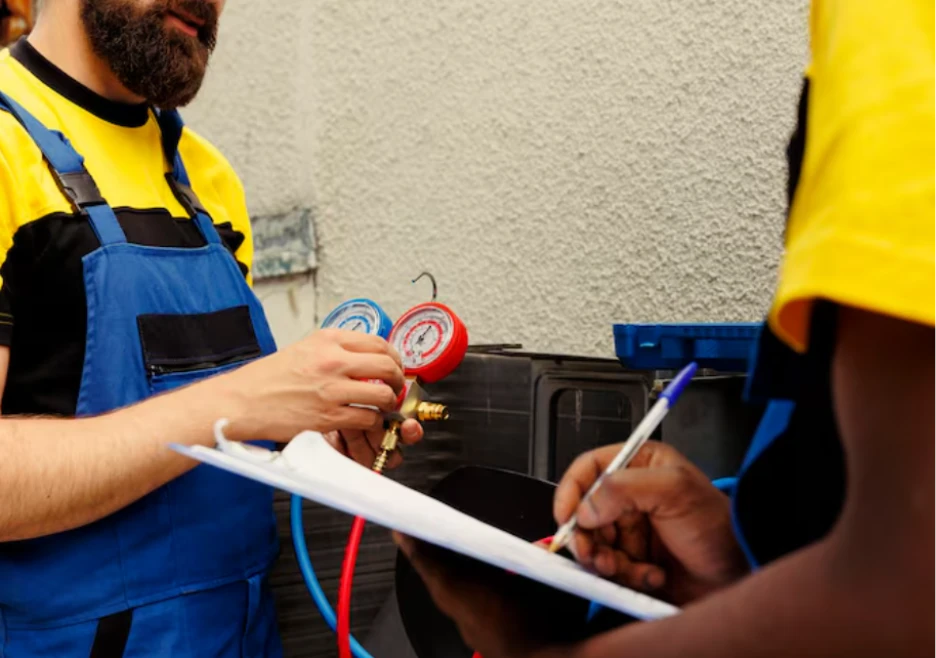
When your system runs for extended periods without reaching the desired temperature, it indicates reduced performance capacity. Everest HVAC technicians perform a thorough diagnostic to detect the problem of low refrigerant levels, sensor errors, blower motor wear, or airflow obstruction.
These factors reduce system capacity and increase mechanical stress, which can lead to compressor damage if ignored. Timely maintenance restores proper output, reduces operating time, and protects critical components from overload.
In addition, performance testing provides measurable data that helps track system health over time. Addressing continuous operation early prevents major failures, improves temperature stability, and extends equipment lifespan.
6. Six-Month Service Interval Completion
Even when your system appears to operate normally, a six-month service interval remains necessary to maintain efficiency and reliability. Everest HVAC preventive maintenance includes coil cleaning, electrical connection testing, refrigerant verification, thermostat calibration, airflow measurement, and safety control checks.
These steps remove buildup that reduces heat transfer and identify gradual wear before it affects performance or comfort. Technicians also compare current readings with previous service data, which helps detect developing issues early and track system health over time.
This structured approach keeps heating and cooling output stable while reducing emergency repair risk. Following a biannual schedule ensures your system stays prepared for seasonal demand and supports consistent long term operating cost control.
7. Home Sale Preparation or Renovation Phase
Preparing a property for sale or completing interior changes increases HVAC demand and inspection attention. Scheduling maintenance with Everest HVAC ensures equipment operates correctly and provides documented service records for potential buyers.
Technicians verify airflow balance, test thermostat accuracy, inspect electrical components, and confirm overall system condition to prevent inspection concerns. During renovation, duct pathways or room layouts may change, which can affect airflow distribution and temperature consistency.
Maintenance identifies these impacts, adjusts system settings, and restores proper performance before comfort issues develop. Timely service during these stages protects system reliability, supports stable indoor conditions, improves buyer confidence, and helps maintain property value without unexpected repair requirements.
Conclusion
Scheduling maintenance with Everest HVAC at the right time keeps your system efficient, stable, and prepared for seasonal demand. Pre-season inspections reduce breakdown risk, while mid-year service identifies gradual wear before it affects performance.
Monitoring energy use, airflow consistency, and operating time helps determine when professional attention is required. Regular maintenance also supports balanced temperature control and lowers long-term repair costs.
By following a structured service schedule and addressing performance changes early, your HVAC system operates predictably and maintains indoor comfort throughout the year.
FAQs
It is generally recommended to schedule HVAC maintenance at least twice a year—once before summer and once before winter—to keep the system operating efficiently.
Pre-season maintenance helps identify worn components, improve system efficiency, and reduce the risk of breakdowns during periods of heavy use.
Yes. If your utility bills increase without changes in usage, it may signal reduced system efficiency or airflow issues that require professional inspection.
Signs include uneven temperatures in rooms, weak airflow, strange noises, longer running cycles, and sudden increases in energy consumption.
Continuous operation often indicates problems such as low refrigerant levels, airflow restrictions, or malfunctioning sensors that require professional diagnosis.
Yes. Routine servicing helps prevent excessive wear on key components, which can extend the overall life of your HVAC equipment.
A maintenance visit typically includes coil cleaning, refrigerant checks, airflow testing, thermostat calibration, and inspection of electrical connections.
Yes. Maintenance ensures the system works properly and provides service records that can increase buyer confidence during home inspections.
Yes. Professional maintenance helps balance airflow, detect duct issues, and ensure your system distributes air evenly throughout the home.
In most cases, yes. Preventive maintenance identifies small issues early, helping homeowners avoid expensive repairs and unexpected system failures.