Selling a home isn’t as simple as just putting a “For Sale” sign in the front yard. Many homeowners assume that getting their house listed is the hardest part, but the reality is, if a property lingers on the market for months, there are usually hidden reasons why buyers aren’t interested. Issues can range from the home’s curb appeal to minor maintenance problems, and sometimes the barriers are easy to spot, while other times they’re more subtle.
Let’s take a closer look at what could be keeping your home from selling and what steps you can take to address these challenges.
Curb Appeal Matters More Than You Think
First impressions matter, and when it comes to selling a home, the outside of your property sets the stage for what buyers expect inside. A lawn that looks neglected, peeling paint, or overgrown bushes can make potential buyers form a negative opinion before they even step through the front door. Even small details like a dirty walkway, broken mailbox, or faded shutters can signal to buyers that the house hasn’t been cared for.
Sometimes, the problem isn’t even big. Take sidewalks, for example. Cracked or uneven sidewalks don’t just look bad, they can also be a safety concern. Many buyers see damaged sidewalks and worry about liability or additional repair costs.
Making sure your sidewalk is clean, smooth, and well-maintained can make a noticeable difference. Experts at Eden Sidewalk Contractors explain that even minor sidewalk repairs can boost the overall perception of your home, showing buyers that you take care of every detail.
Interior Issues That Turn Buyers Away
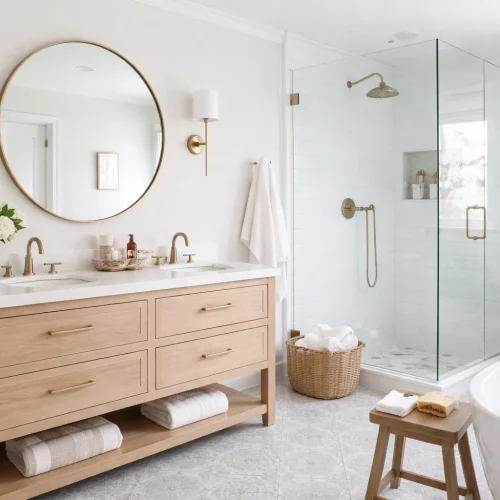
Once inside, the story continues. Homes with outdated kitchens, bathrooms, or flooring can feel less inviting. While not everyone is looking for a brand-new home, spaces that look worn or neglected often leave buyers imagining the work and cost involved to update them. Even small things, like outdated light fixtures, cracked tiles, or stained carpets, can add up and push buyers to move on to the next listing.
Smells also play a big role, often more than homeowners realize. A house that smells strongly of pets, smoke, or mildew can be a deal-breaker. Fresh air, clean carpets, and neutral scents make a home more appealing and easier for buyers to imagine themselves living there.
Lighting and Space Perception
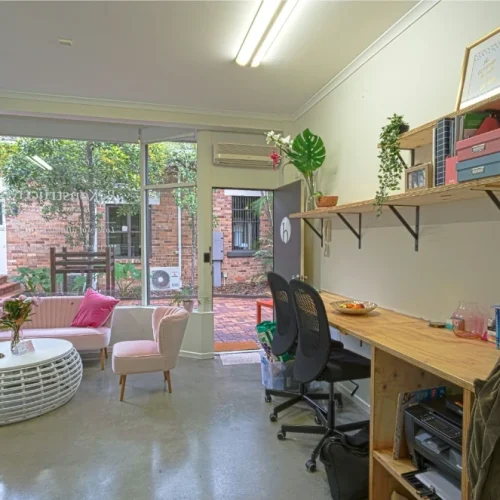
Homes that feel dark, cramped, or cluttered can linger on the market. Buyers are drawn to bright, open spaces where they can picture their own furniture and lifestyle. Simple changes like adding lamps, opening curtains, or rearranging furniture can make rooms feel larger and more welcoming.
Closets and storage also matter. Buyers are often looking for homes that can handle their lifestyle. If closets are jammed with your personal items or the kitchen cabinets are overflowing, it’s harder for them to imagine their own things fitting comfortably.
Price vs. Value
Even if your home looks perfect, the price has to match the market. Many homes struggle to sell simply because the asking price is too high. Buyers today have access to extensive online data, and they can easily see what similar homes in your neighborhood are going for. Setting a price that feels fair is crucial. It doesn’t mean you have to sell at the lowest possible value, but it does mean understanding what buyers expect and being realistic about your home’s condition and features.
Neighborhood Factors
Sometimes, it’s not just your home that’s the issue, but the surrounding area. Buyers notice noise, traffic, nearby construction, and other environmental factors. Even things like cracked sidewalks in front of your home, poor street lighting, or unkempt public spaces can subconsciously impact their perception. Taking care of your property’s exterior and the immediate surroundings can make your home feel like a more desirable place to live.
Marketing and Presentation
How your home is presented online matters more than ever. Most buyers start their search on the internet, scrolling through photos and listings. If your pictures are dark, poorly framed, or show clutter, your home may never get a showing. Professional-quality photos, good lighting, and clean, well-staged rooms can make a huge difference in attracting potential buyers.
Staging doesn’t mean completely redecorating. It means arranging furniture in a way that highlights your home’s strengths, removing personal items that distract from the space, and keeping rooms tidy and inviting. Buyers need to be able to picture themselves living there, and a little effort in staging can go a long way.
The Importance of Small Repairs
It’s easy to overlook minor repairs, but small things can add up in a buyer’s mind. Loose doorknobs, dripping faucets, scuffed walls, or squeaky floors may seem insignificant, but they can make a home feel neglected. Fixing these small issues signals to buyers that the home has been maintained and reduces the perceived effort and cost they will need to invest.
Timing and Market Conditions
Finally, timing can influence how fast a home sells. Real estate markets fluctuate, and even a perfect home can sit on the market if conditions aren’t ideal. Seasonality, interest rates, and local demand all play a role. Working with a knowledgeable real estate agent who understands the local market can help you time your sale for maximum impact.
Takeaways to Get Your Home Moving
Selling your home quickly and at a fair price often comes down to attention to detail. Buyers are looking for a combination of curb appeal, functional and updated interiors, fair pricing, and a safe, inviting environment. By addressing the little things, like maintaining a clean and smooth sidewalk, fixing minor repairs, and keeping your home bright and clutter-free, you can drastically improve your chances of a quick sale.
Remember, it’s often the small things that make a big difference. A fresh coat of paint, trimmed bushes, polished floors, and repaired sidewalks can transform a home from overlooked to irresistible. Buyers are perceptive, and even minor improvements signal that a property is cared for, ready to move into, and worth their investment.
FAQs
Most homes don’t sell due to a mix of pricing, presentation, and condition issues that turn buyers away early.
Curb appeal creates the first impression and often determines whether buyers want to see the inside at all.
Yes, buyers notice safety and maintenance concerns immediately and often assume repairs will be costly.
Outdated kitchens, bathrooms, or flooring can make buyers focus on renovation costs instead of the home’s potential.
Strong odors from pets, smoke, or moisture can be instant deal-breakers and are hard for buyers to ignore.
Clutter makes rooms feel smaller and prevents buyers from imagining their own belongings in the space.
Yes, buyers compare listings online and often skip homes that seem overpriced for their condition or location.
Noise, traffic, poor lighting, or neglected public areas can reduce buyer interest even if the home itself is nice.
Most buyers start online, and poor photos can prevent showings before buyers ever visit in person.
Yes, small fixes signal good maintenance and reduce buyer concerns about future repair costs.