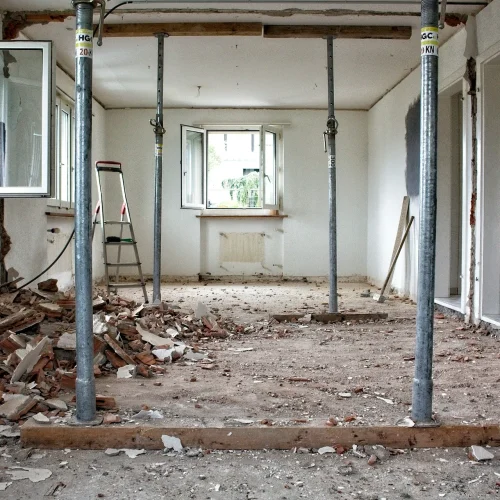
Touring a home for the first time is exciting, but it can also feel overwhelming. There’s a lot to take in—room sizes, finishes, neighborhood vibes—and it’s easy to get distracted by stylish furniture or fresh paint. The goal of a home tour isn’t to fall in love instantly; it’s to understand whether the space truly works for your lifestyle, budget, and long-term needs.
Before stepping inside, many first-time buyers browse houses currently on the market to narrow down their options and get a sense of what’s available. That research helps, but nothing replaces seeing a home in person. A walkthrough gives you the chance to notice details that photos don’t show, ask questions, and imagine how the space would feel on an everyday basis.
Start With the Big Picture
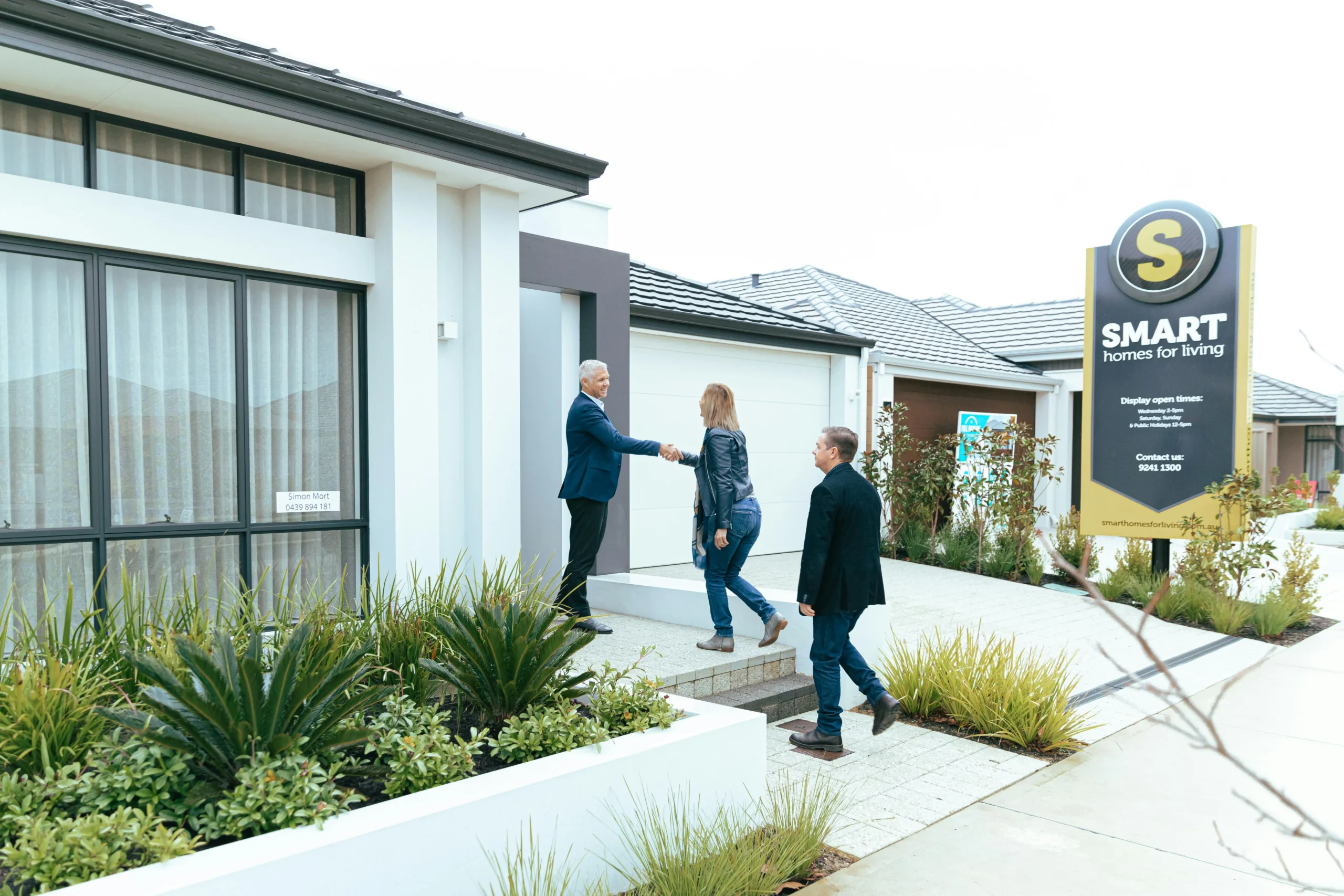
Before zooming in on details, it’s important to step back and look at the home as a whole. First impressions can reveal a lot about how well a property has been cared for.
- Location and surroundings
Pay attention to the street, nearby homes, and general noise levels. Think about daily routines—commutes, errands, and how often you’ll be coming and going. - Exterior condition
Look at the roof, siding, driveway, and yard. These elements are expensive to repair, so visible wear or neglect is worth noting early.
Walkthrough With a Practical Mindset
Once inside, it helps to approach the tour with curiosity rather than judgment. This is your chance to observe how the home functions, not just how it looks.
- Layout and flow
Notice how rooms connect and whether the layout feels natural. Imagine moving through the space during a normal day, from mornings to evenings. - Natural light and space
Check how much light each room gets and whether it feels open or cramped. Even smaller rooms can feel comfortable if the lighting and proportions work well.
Look Beyond Surface-Level Details
Fresh paint and décor can hide issues, so it’s smart to look past cosmetic touches. Small details often hint at bigger maintenance patterns.
- Walls, floors, and ceilings
Look for cracks, stains, or uneven flooring. These can point to settling, water issues, or repairs that may need follow-up. - Windows and doors
Open and close them if possible. Sticking doors or drafty windows may signal alignment issues or poor insulation.
Pay Attention to Major Systems
A home’s systems aren’t flashy, but they matter more than finishes. Understanding their condition can save you surprises later.
- Plumbing and electrical basics
Check water pressure, look for visible leaks, and note outlet placement. Older systems aren’t always bad, but they may need updates. - Heating, cooling, and ventilation
Ask about the age of HVAC units and how well the home stays comfortable. Good airflow and consistent temperatures are signs of a well-functioning system.
Ask Questions and Trust Your Instincts
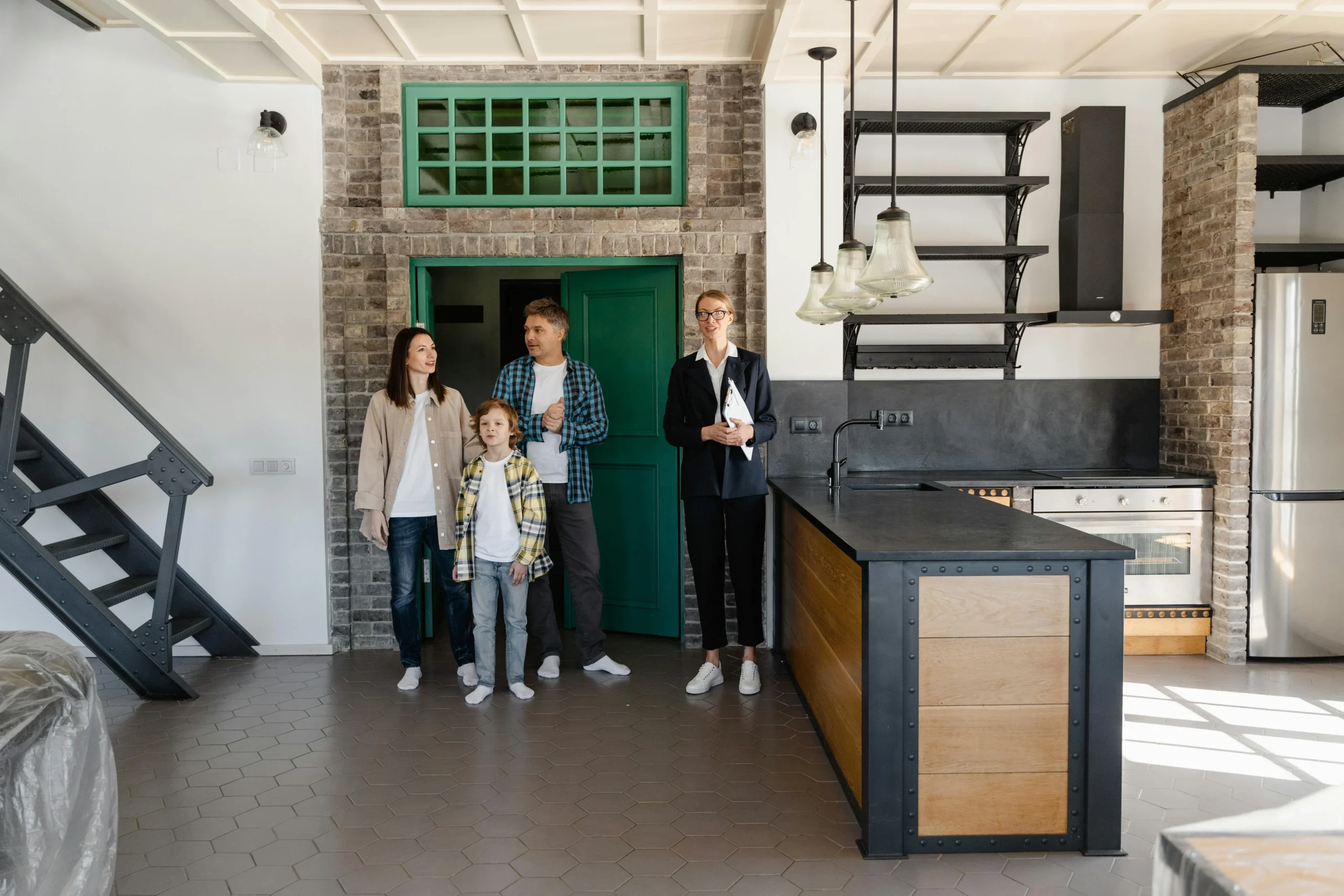
This part of the tour is just as important as what you see. Conversations and gut feelings can add valuable context.
- Questions to ask
Ask about recent repairs, utility costs, and how long the home has been on the market. Clear answers often reflect transparency and good maintenance. - How the home feels
Notice whether you feel relaxed or uneasy while walking through. While emotions shouldn’t drive decisions alone, they’re worth paying attention to.
A Thoughtful Walkthrough Sets the Tone
A first home tour isn’t about finding perfection—it’s about gathering information. When you take your time, focus on what matters, and stay practical, each visit becomes more useful. Even if a home isn’t the right fit, it helps you better understand what you’re really looking for.
FAQs
Start with the big picture—location, exterior condition, and overall layout—before getting distracted by décor or finishes.
Very important, since noise levels, traffic, nearby amenities, and general upkeep affect daily life as much as the house itself.
Cosmetic issues are usually easier and cheaper to fix than structural or system problems, so don’t let them outweigh bigger concerns.
Watch for cracks, stains, uneven floors, sticking doors, or musty smells, as these can indicate deeper issues.
Yes, testing basic functions like doors, windows, and water pressure can reveal issues that aren’t visible at first glance.
Imagine your daily routine—morning flow, furniture placement, and how spaces connect—to see if the layout fits your lifestyle.
Ask about the age and condition of the roof, HVAC, plumbing, and electrical systems, since repairs can be costly.
Yes, natural light affects comfort, energy use, and how spacious a home feels, even in smaller rooms.
Instincts shouldn’t be the sole decision-maker, but discomfort or unease can signal practical issues worth investigating.
That’s normal—each tour helps clarify your priorities and brings you closer to understanding what truly fits your needs.