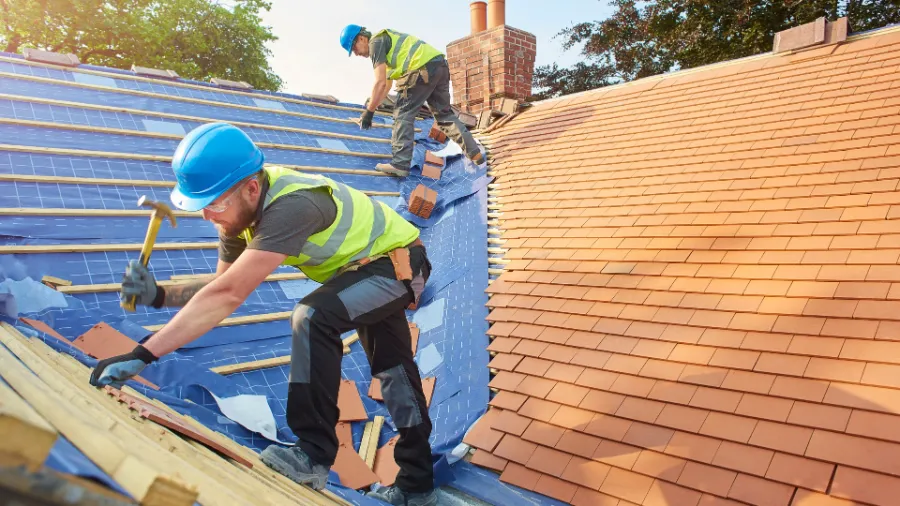
That roof over your business? It’s your first line of defense protecting everything you’ve built, your equipment, your stock, your team. When it starts giving up on you, the problems multiply fast.
We’re talking water infiltration, disrupted workflows, and utility bills that creep higher every month. Knowing what’s actually involved in a commercial roof replacement means you can plan smarter, keep your operation humming, and invest wisely. This roof replacement guide breaks down each phase so there won’t be any surprises when contractors show up at your door.
Understanding the Full Scope of Your Project
Let’s be real: before hammers start swinging, you need the complete picture. A commercial roof replacement is a major undertaking that’ll touch every corner of how you run things day-to-day.
What a Commercial Roof Replacement Really Involves
The roofing process goes miles beyond ripping off old stuff and slapping down new material. Your roofing crew has to examine the entire deck beneath, hunt for structural compromises, and assess whether water’s draining properly. Here’s something interesting: JLL discovered that North American properties featuring solar installations can command a 7% higher premium. That means thinking about future upgrades now could significantly bump up what your property’s worth. If you’re planning a large-scale project, it’s worth partnering with licensed professionals who understand every layer of roofing design, energy efficiency, and safety codes.
For example, according to the California State License Board (CSLB) roofing license requirements, contractors must demonstrate at least four years of journey-level experience and pass trade and law exams before obtaining a C-39 roofing classification. These regulations ensure that only qualified professionals handle materials, drainage systems, and insulation needs for industrial and commercial properties. With such strict standards, property owners can count on improved durability, regulatory compliance, and long-term value from properly executed roofing work.
Timeline Expectations for Different Roof Types
You’re asking yourself how long you’ll be living in a construction site, right? Typically, commercial jobs run one to three weeks based on square footage and how complicated things get. Weather throws curveballs, especially if you’re somewhere with moody skies. The roof type you’ve chosen matters enormously, TPO and PVC go up relatively quickly, while built-up systems requiring multiple layers eat up more calendar days.
When planning a commercial roof replacement in Riverside, CA, you can expect a clear, organized process that minimizes disruption to your business. The installation phase involves removing old materials, reinforcing the structure, and ensuring every seal is watertight. Cleanup and final inspections wrap up the project with full warranty documentation. For dependable service and transparent communication throughout, partnering with trusted experts like commercial roofing contractors near me ensures your Riverside business receives quality craftsmanship backed by local expertise.
Budget Considerations and Cost Factors
Pricing fluctuates wildly depending on building dimensions, current roof shape, and material selection. Don’t just chase the cheapest estimate. Sure, some commercial roofing contractors might quote higher numbers upfront, but their craftsmanship and warranty coverage often mean fewer expenses down the road. Surprise problems like deck reconstruction or beefed-up insulation can inflate those original numbers, so leave yourself financial breathing room.
Preparing Your Building for the Work Ahead
You’ve signed on the dotted line. Now preparation separates chaotic projects from smooth ones during this step-by-step roof replacement journey.
Interior Protection and Safety Measures
Your contractor needs to walk you through their safety game plan and interior protection strategy. Equipment vibrations and debris hauling create impacts on ceiling panels and delicate electronics underneath. Smart business owners temporarily shift computer servers or drape protective covering over inventory during peak noise windows. Don’t skip asking about dust barriers and whether your HVAC needs temporary tweaks to keep construction particles from infiltrating your air system.
Coordinating With Tenants and Operations
Clear communication saves everyone’s sanity. Got tenants? They deserve heads-up notices about decibel levels, blocked-off zones, and parking shuffles for equipment staging. One of the best commercial roofing tips anyone can give you? Build a notification timeline, tell everyone when jackhammers will be loudest so people can adjust their schedules. Some operations reschedule noise-sensitive activities or temporarily move particularly affected departments during tear-off days.
The Replacement Process Broken Down
This is where rubber meets road. Grasping each stage lets you monitor momentum and catch red flags early.
Initial Inspection and Assessment
Before demolition starts, contractors do one final walkthrough confirming project parameters. They’ll flag problem spots and double-check materials arrived. This is your golden opportunity to voice concerns and nail down any details. Rooftop solar systems can rocket from blueprint to operational status in just 12 to 24 months. Considering solar panels someday? Make absolutely certain your new roof structure can handle that added load.
Removal of Existing Materials
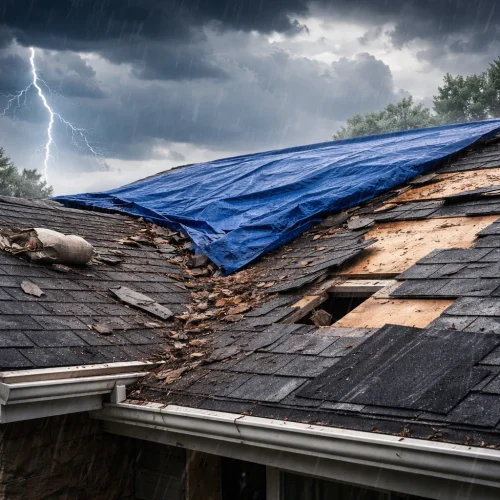
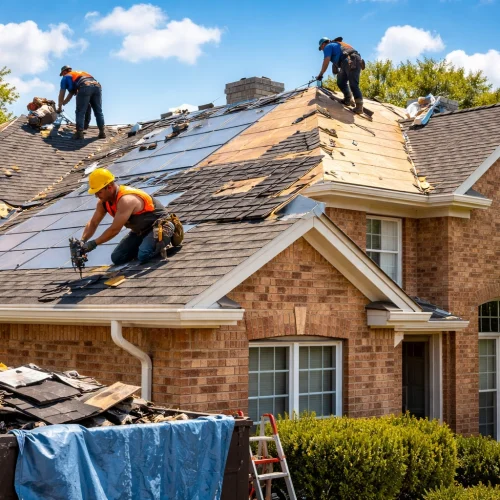
Brace yourself, this phase gets loud and messy. Crews tear everything down to the bare deck, inspecting for damage as layers peel away. Expect equipment noise and vibrations pulsing through your building. Dumpsters overflow quickly, with trucks constantly arriving and departing. For big buildings, count on several days minimum. Weather becomes critical right here, rainfall during active tear-off spells disaster, so contractors obsessively check forecasts and may halt operations if storms threaten.
Installation of Your New Roofing System
Finally, the new roof takes shape. The roofing process differs by material selection, but typically includes insulation installation, membrane or material application, and meticulous seam sealing around every penetration point. Quality checks happen continuously; reputable contractors inspect their work at multiple checkpoints instead of waiting until completion. Flashing around vents, according to HVAC guidelines equipment, and perimeter edges gets extra scrutiny because sloppy work here causes most future leak headaches.
Choosing the Right Materials for Your Business
Material selection impacts how long your roof lasts, maintenance demands, and initial investment. This choice deserves serious consideration.
TPO, PVC, and EPDM Options
These single-ply membranes rule today’s commercial roofing landscape for solid reasons. TPO delivers impressive energy savings at middle-of-the-road pricing. PVC stands up to chemical exposure better, perfect for restaurants or buildings with rooftop machinery. EPDM, that black rubber material you’ve seen everywhere, costs less initially but reflects less heat.
All three can hit 20–30 year lifespans with consistent upkeep, making them worthwhile investments. Different commercial roofing in California materials also vary in how well they handle wind, rain, and temperature fluctuations, which can influence long-term maintenance needs and overall building performance.
Modified Bitumen and Built-Up Systems
These layered systems shine on high-traffic roofs demanding maximum durability. Modified bitumen arrives in rolls that get heat-welded or cold-applied. Built-up roofing (BUR) alternates tar and fabric layers, creating tough, redundant waterproofing. They’re substantially heavier than single-ply alternatives, meaning your deck needs sufficient load capacity. Many property owners stick with these proven systems because they’ve demonstrated reliability across decades of real-world performance.
What You Gain from a Professional Roof Replacement
Surviving a commercial roof replacement might feel like a hassle at the moment, but you’re investing in decades of dependable protection. Watch your energy expenses drop, maintenance calls decrease, and property value climb. More than anything, you’ll sleep better knowing your business, merchandise, and employees have solid protection overhead.
The step-by-step roof replacement eats up a few weeks, sure, but the payoff stretches across years. Don’t wait until emergency patches force crisis decisions. Planning proactively gives you command over scheduling, budgeting, and material selection that emergency fixes never provide.
Common Questions About Commercial Roof Replacement
You’re typically looking at one to three weeks depending on building footprint and weather cooperation. Bigger facilities or architecturally complex roofs may push past this window. Your contractor should outline a detailed timeline during planning with specific milestone dates you can track.
Absolutely, most businesses stay open throughout with manageable disruption. Noise and shaking are temporary inconveniences, and contractors usually work around your schedule for mission-critical spaces. Advance planning with your roofing team dramatically reduces operational interference.
Professional crews watch weather patterns like hawks and won’t start tear-off when precipitation threatens. If surprise storms roll in, they’ll rapidly deploy emergency tarping protecting exposed sections. Most contracts explicitly address weather delays and building protection protocols.