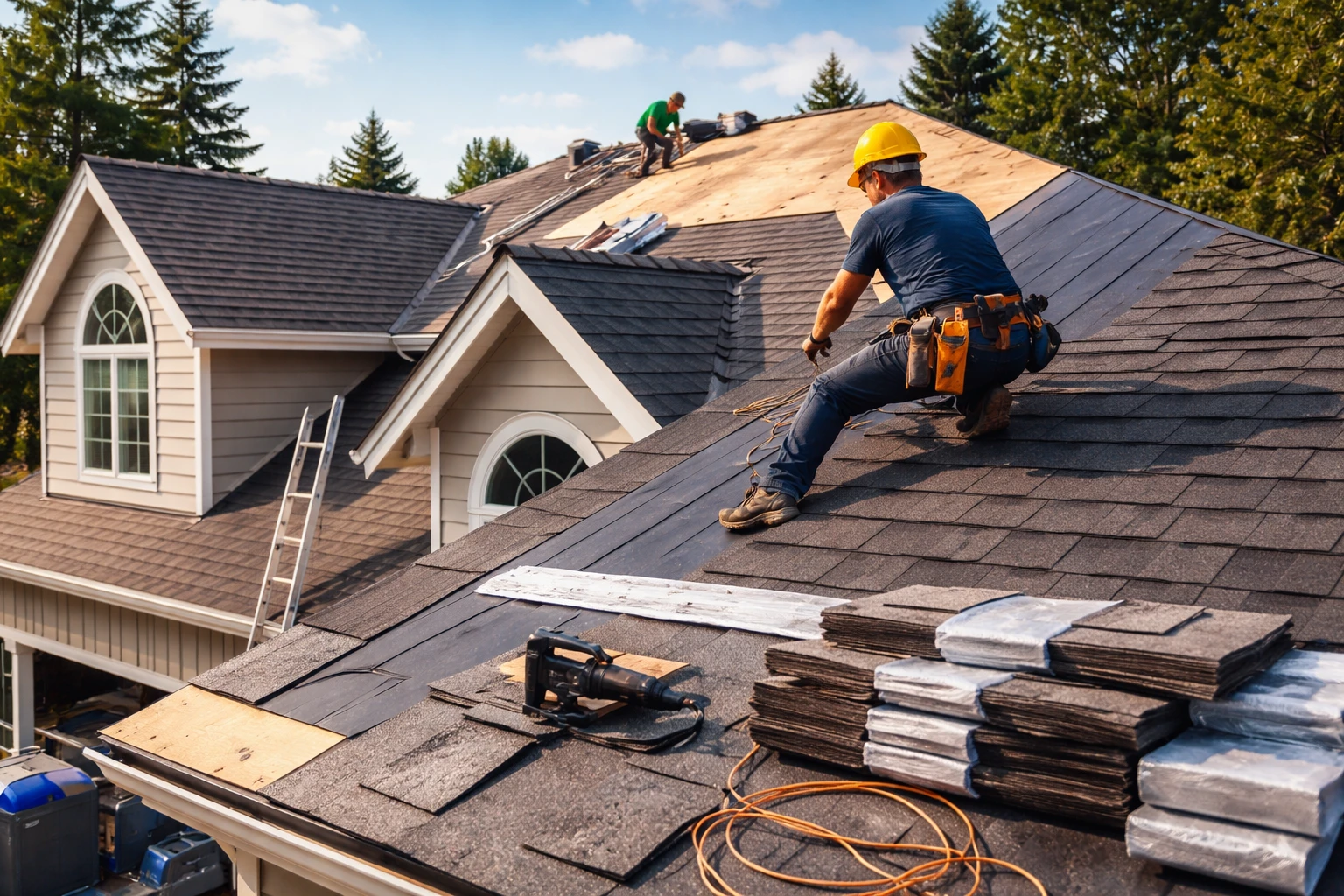
The best time of year to replace a roof is typically spring or fall as the weather is not too hot or too cold. This makes it easier for roofing materials to fit and seal properly. Good weather, too, helps avoid delays caused by rain, heat or freezing temperatures. Choosing the right time is key as it can affect the quality of the work or how quickly the job is done and the final price. Summer jobs may finish sooner while winter work can sometimes be inexpensive but it also has some disadvantages.
In this guide, you will find simple instructions and expert guidance to help you select the right time based on the weather, your budget and your requirements.
Why Timing Your Roof Replacement Matters?
Replacing your roof is a major investment or timing it appropriately can save you money. Replacing your roof is a great step or selecting the right time is essential. Good timing can help you save money and avoid complications. Weather matters a lot because too much heat or cold and rain can disrupt work. Planning on time and hiring a reliable roofing company Virginia Beach also helps you get better service from workers.
Benefits of choosing the right time:
- Roofing resources work better
- Less delay because of the climate
- Lower price when demand is low
- Easier to book contractors
By understanding the seasons, you can make a better choice for your home. Good timing helps your roof last longer and reduces repair costs. In the end clear that timing your roof replacement correctly makes the process easier and delivers better results.
Expert Insights: Best Time of Year to Replace Your Roof
Spring (March–May) – Ideal for Mild Weather and Material Availability
Spring (March–May) is a good time to replace your roof because the weather isn’t too hot or too cold. It supports roofing materials and makes it easier for workers to do their jobs. Many people select this season so it is a popular and reliable time.
Why experts recommend spring:
- Slight temperature helps shingles stick appropriately
- The weather stays frequently calm and steady
- Roofing resources are easy to find
Pros:
- Easy and smooth fixing
- Less chance of weather damage
- Better quality work
Cons:
- Rates can go up due to high demand
- Rain may cause minor delays
Ending Note:
Book in the spring to avoid the rush and save money.
2: Summer (June–August) – Busy Season with Fast Roof Work
Summer is the busiest time to change a roof. Long days and dry weather help workers finish jobs sooner. Many homeowners choose summer to avoid rain and get their roofs done fast.
Why Summer is popular: Long daylight and dry weather allow roofing teams to work full days.
Expert tip: Starting the summer timely is better than the hottest months. It makes workers comfortable and helps resources last longer.
Pros:
- Roof work gets done quickly
- More workers exist
- Less chance of rain delays
Cons:
- Hot weather can be tough on workers and resources
- Rates can be higher
- Contractors may have longer wait times
3: Fall (September–November) – Good Time for Roof Replacement
Fall is a great time to change your roof. The cooler weather benefits roofing materials that stick well. The weather is typically steady, so work is less likely to be delayed. Prices are frequently lower as fewer people get roofing done once summer. Many homeowners who wait until Fall can save money and still get good results.
Why Fall is a good choice:
- Cooler weather supports shingles and materials stick correctly
- Fewer jobs mean lower contractor rates
- Steady weather lessens delays
Pros:
- Prices are less than in the summer
- Easier working conditions for workers
- Better quality work
Cons:
- Late Fall can bring bad weather
- Less time previously winter
Fall offers a good balance of price and quality.
4: Winter (December–February) – Budget-Friendly but Challenging
Winter is a tough time to change a roof. Cold, snow and rain make the job tougher and slower. But if you employ skilled professionals, it can be done. Some people choose winter as prices are lower and contractors have more free time.
Why Winter is Hard:
- Cold weather can make resources break easily
- Snow or rain can slow down work
Good Points:
- Inexpensive contractor rates
- Stress-free to book a contractor
Bad Points:
- Weather can cause interruptions
- Resources may not work as well
- Work is harder and more unsafe
Tip from Experts: Only do winter roofing in emergencies or with very expert contractors.
Key Factors to Consider When Timing Your Roof Replacement
1: Local Climate and Weather Conditions
The weather where you live determines the best time to change your roof. In very hot places, summer heat can hurt roof resources, so it’s better to do the work in cooler months. In cold places, winter frost can break shingles, so avoid winter. And in rainy areas, choose dry months to avoid delays or water problems. Knowing your local weather helps you plan the work at the correct time, protect resources and save money. Following roof replacement scheduling tips will help your new roof last longer and work well.
2: Roofing Materials and Installation Timing
Roofing materials behave differently in different weather conditions. Choosing the right time to fix them helps your roof last longer and work well.
Asphalt shingles: Best in mild temperatures. Too hot or too cold can cause complications.
Metal roofing: Can be put on any time of year.
Wood shingles: Want dry weather to avoid warping or mould.
Fixing your roof at the right time for the material yields better results and helps your roof stay strong for many years.
3: Budget and Contractor Availability
The price of a new roof and the ease of finding a contractor vary with the season. In busy months like summer, many people want roofing work, so rates go up, and contractors are often busy. In slower months like winter, fewer jobs are scheduled so that contractors may offer discounts or flexible dates. Knowing this can help you save money and plan well.
Key points:
Summer (busy season): Roofing prices are higher or contractors may be full.
Winter (slow season): Rates may be lower, and discounts may be available.
Tip: Book your contractor in a timely manner to get good rates and your preferred dates.
Planning makes the procedure easier and helps ensure your roof is completed on time and within budget.
4: Roof Condition and Urgency
Sometimes, you can’t wait to change your roof. The weather and season matter, but the condition of your roof is more essential. Overlooking problems can cause damage, cost more and leave you feeling insecure. Regularly checking your roof helps you find problems in a timely manner.
Watch for signs like:
- Leakages inside your home
- Missing or broken shingles’
- Sagging or insecure structure
- Mould, rot, or insect damage
If you get these, you may want to fix or change your roof immediately, even if it’s not the best season. Use a roof repair checklist to check your roof and determine if it needs urgent work or can wait.
How to Prepare for Roof Replacement in Any Season
Getting your roof changed is easier and safer if you plan. These steps help you get ready no matter the time of year.
1: Check Your Roof
Look carefully for complications:
- Missing or broken shingles
- Water stains or leakages inside your home
- How old is your roof?
A professional check can find unseen damage you might miss.
2: Plan Ahead
Good planning has things on track:
- Book your project in a timely manner
- Order materials once the work starts
- Conversation with your contractor about timelines
3: Get Your Home Ready
Before work starts:
- Clear space around your house
- Protect items in your attic
- Let neighbors know about the work
4: Expect Delays
Weather or other complications can slow things down. Plan some additional time to stay calm.
Following these steps will make your roof replacement smooth and stress-free.
Practical Tips from Roofing Experts
Changing your roof can be complicated but simple expert guidance can save you time, money or trouble. Using easy instructions helps your roof last longer and work well. Paying attention to small details can prevent major problems and save costs.
Roofing Tips from Experts:
- Compare prices from different contractors to get the best rate.
- Avoid busy seasons if your budget is tight as charges are higher then.
- Don’t delay changing a badly damaged roof; fixing it fast discontinues greater damage.
- Plan replacement along with regular roof care to make your roof last longer.
Following these instructions will keep your home safe and your roof strong for years.
Conclusion
In conclusion that a best time to change your roof depends on your situation. Spring and Fall are typically best as the weather is good or prices are fair and work is stress-free. Summer is faster but can be more expensive. Winter is good if you need to save money or if you have urgent repairs. Consider your weather, budget or roof condition and follow smart steps like roof replacement scheduling tips and a simple checklist. If you wonder when to replace the roof in winter then it can still be done securely with expert workers. Planning well makes the procedure easier or gives better effects and protects your home for a long time.