Most homeowners assume they’ll get around to it someday. The siding has a few green streaks. The driveway looks a shade darker than last year. The roof has those faint black lines you only notice when the light hits just right. Nothing urgent. Nothing alarming.
So the weekends pass. The seasons shift. And the surfaces outside your home slowly change—quietly, gradually, and very much out of sight and out of mind.
But here’s the truth: when you pressure wash your home regularly, you’re not just keeping things looking clean. You’re interrupting a biological and chemical chain reaction that, if left alone, can cost thousands of dollars, shorten the lifespan of your building materials, and even affect your health.
This isn’t about vanity. It’s about what time, moisture, bacteria, sun exposure, and pollution do to your home when no one steps in to stop it.
Let’s walk through the timeline of what actually happens when you don’t pressure wash your home, and why small maintenance decisions today prevent expensive repairs later.
The First Year Without a Pressure Wash: Early Signs You Probably Ignore
The changes are slow and subtle. You might barely notice them.
- A thin film of pollen attaches to the siding.
- Dust and pollutants settle into the driveway.
- Spider webs gather in corners and under eaves.
- The deck fades slightly from UV exposure.
Nothing dramatic. And because you see your house every day, you don’t notice the shift.
But something more serious is already beginning.
Moisture + Shade = Algae Growth
Where surfaces stay damp, algae spores start colonizing. They don’t sit on the surface—they bond into it. This makes them harder to remove the longer they sit.
Air Pollution Begins to Etch Surfaces
If you’re in or near Winston-Salem, NC, where humidity and seasonal pollen are common, environmental staining can happen even faster. Pollution and particulate matter cling to siding and concrete, slowly degrading coatings and sealants.
Cost at This Stage: Almost Nothing
A simple exterior cleaning at this point removes everything easily.
But most homeowners wait.
2–3 Years Without a Pressure Wash: The Biofilm Era
Now things escalate.
Biofilm Takes Over
Algae attracts:
- Mold
- Mildew
- Airborne bacteria
They form a biofilm layer that traps moisture against surfaces. Moisture accelerates deterioration.
What Begins to Happen:
| Surface | What Changes | Why It Matters |
| Vinyl Siding | Discoloration, chalkiness | Material breakdown accelerates |
| Wood | Softening and absorbency increase | Moisture creates a pathway for rot |
| Roofing | Dark streaks appear | Bacteria is eating shingle materials |
| Concrete | Slippery film forms | Safety hazard and deeper staining |
| Painted Trim | Flaking begins | Moisture breaks paint adhesion |
Health Effects Quietly Begin
Mold spores and mildew don’t just stay outside. They circulate in the air around the home and can be carried indoors.
Families in Winston-Salem, NC with allergies often see worsening symptoms long before realizing the exterior is part of the problem.
Cost Now: Manageable, but Rising
Surfaces can still be restored, but staining is deeper and cleaning requires more time and technique.
4–7 Years Without a Pressure Wash: Now You See the Damage
This is when most homeowners finally notice.
Roof Stains Turn Black
Those streaks aren’t dirt. They’re Gloeocapsa magma, a bacteria that eats the limestone filler in asphalt shingles.
This reduces shingle lifespan and increases heat absorption. That means:
- Higher cooling bills
- Faster roof deterioration
- Increased risk of leaks
Replacing a roof because of unchecked algae growth? $7,000 to $20,000+.
Wood Rot Becomes Visible
Wood trim and decks often feel soft before they look damaged.
By the time rot is visible, it is already well established.
Concrete Erosion Begins
Concrete looks solid, but it’s porous. When algae and water penetrate, freeze-thaw cycles begin breaking it apart from the inside.
Cost Now: Thousands in Repairs
Cleaning alone won’t fix the damage at this stage. Replacement enters the conversation.
8–12 Years Without a Pressure Wash: Structural and Financial Impact
This is the point where the home no longer looks “aged.” It looks abandoned.
Paint Begins to Fail Completely
Paint isn’t just decorative—it seals surfaces. Once the bond breaks, surfaces below are exposed to weather and decay.
Full repainting can cost: $4,000–$12,000 depending on house size.
Roof Is Likely Near End of Life
Even if it looks okay from a distance, bacteria damage shortens service life significantly.
Trim, Fascia, and Deck Boards Fail
Waterlogged wood must be replaced. Not treated. Not saved.
The Real Timeline Summary
| Years Without Cleaning | Condition | Cost to Address |
| 1 Year | Superficial buildup | $150–$500 cleaning |
| 2–3 Years | Biofilm and staining | $300–$700 cleaning & sealing |
| 4–7 Years | Material deterioration | $700–$2,500 repair + cleaning |
| 8–12 Years | Structural damage | $4,000–$20,000+ restoration |
Time isn’t neutral. It compounds damage.
How to Break the Cycle (Simple Maintenance Strategy)
You don’t need to constantly pressure wash your home. You just need a schedule.
| Surface | Cleaning Frequency | Method |
| Siding | Every 12–18 months | Low-pressure soft wash |
| Roof | Every 2–4 years | Non-destructive chemical cleaning |
| Driveway/Walks | Every 12–24 months | Standard pressure cleaning |
| Decks/Fences | Every 2–3 years | Clean + seal/stain |
And if you’re unsure where to start, ask local pressure washing experts for a professional evaluation. They can tell you what needs immediate attention—and what can wait.
Final Thoughts
Not cleaning the exterior of your home doesn’t save money.
It simply delays the cost—while allowing damage to grow.
A regular pressure wash schedule:
- Protects materials
- Reduces maintenance costs
- Improves air quality around your home
- Keeps your home strong and healthy for decades
A clean home doesn’t just look better. It lasts longer.
And the earlier you interrupt algae, bacteria, and moisture buildup, the cheaper everything becomes.
FAQs
Most homes benefit from an exterior cleaning every 12–18 months, depending on climate, shade, and moisture levels.
Yes. Waiting allows algae and mold to bond to surfaces, making stains harder to remove and increasing material damage over time.
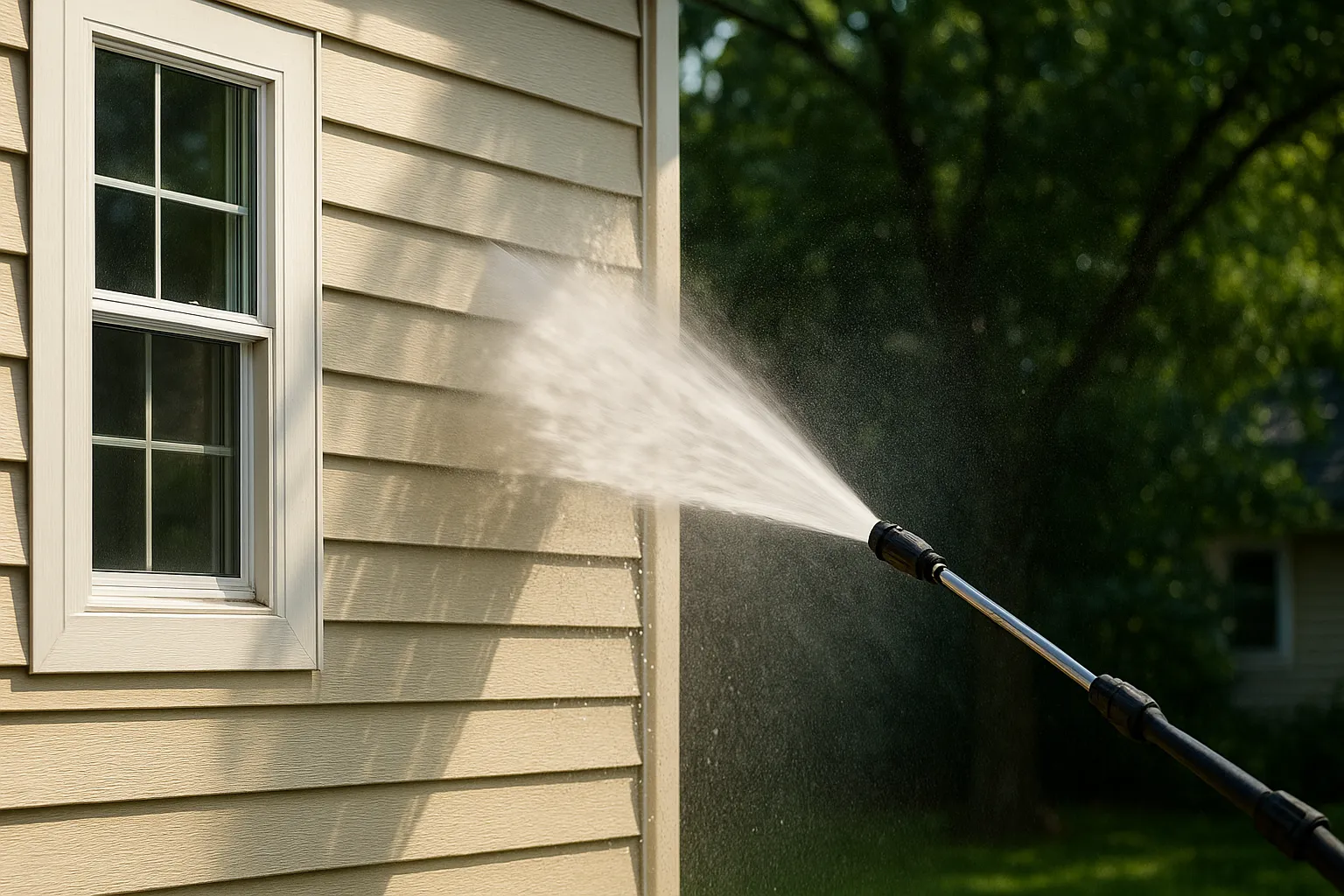
It can if done incorrectly. Soft washing or controlled low-pressure methods are safer for most exterior surfaces.
They are usually bacteria called Gloeocapsa magma, which slowly eats the minerals in shingles.
Algae itself isn’t a major concern, but mold and mildew that accompany it can trigger allergies and respiratory issues.
Spring and early fall are ideal, but any time the weather is mild and dry works well.
Yes. Clean exteriors increase curb appeal and signal proper maintenance to buyers.
You can, but using improper pressure or detergents can damage surfaces, so many homeowners prefer hiring professionals.
Roof shingles, painted wood, older brick, and soft siding should be cleaned with lower pressure methods to prevent deterioration.
Most standard homes take between 1–4 hours depending on size, grime level, and cleaning method.