
Many people even appreciate the aesthetic of an unfinished space with a clean, even coat. But in reality, things come down to the details. What ultimately distinguishes a successful outcome from a memorable one is quality. Now, let us dive into what makes a great painting project as opposed to a good one.
Preparation Makes the Difference
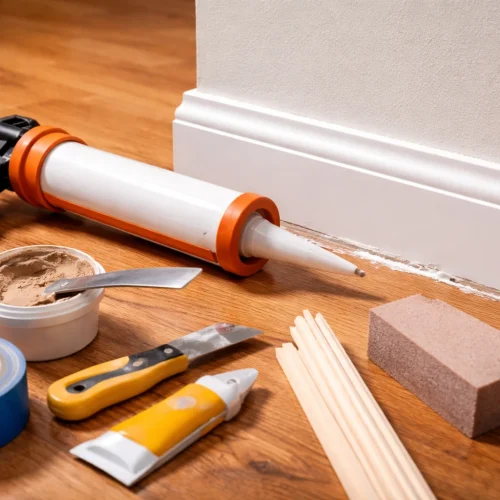
Before the first brushstroke, thorough groundwork sets the stage. Surfaces need careful cleaning, sanding, and sometimes patching to eliminate flaws. Precise taping and draping ensure that paint stays only where intended. Even the most skilled painter cannot compensate for poor preparation. Care in this early stage leads to smooth finishes without blemishes.
Attention to Detail
Applying the same (or similar) paint in obscure areas such as behind radiators or in closets is proof that the work is something to take pride in. With paint, every corner and edge is taken into consideration, resulting in a more remarkable paint job. Carefully executed lines between walls and ceilings or decorative trim demonstrate craftsmanship. Any accessible space receives as much cleaning attention as furniture, hidden nooks, or points above doors. Your home can be transformed with a new, durable finish by hiring skilled house painters in South Auckland.
Selection of Materials
You can tell the difference in the quality of the materials. Quality brushes and rollers deliver streak-free and mark-free coverage. The paint you select should be high in pigment and adhere well to the surface. Substandard products can cause early discoloration and patchy texture. Brands with a proven track record are a safer bet, allowing your investments to mimic longevity and brightness.
Skill in Application
It is accomplished with the consistent hand of an experienced painter. They know how to craft coats with the perfect depth and shine. Guiding each stroke into the previous one helps prevent lap marks and spots that appear when the product is over-applied. A professional knows the correct pressure and angle of each tool. Their know-how creates a smooth, sophisticated, and long-lasting finish.
Color Choices and Finishes
As you may realize, color choice plays a significant role in determining the overall ambiance of a room. What do exceptional painting professionals do help clients choose shades of color that fit the lighting and furniture? A finish not only accentuates the aesthetics, but also the durability be it matte, satin, or glossy. An excellent job balances the space, creating a feeling of clarity and intention.
Clean Edges and Tidy Workspaces
The best painting projects feature sharp lines along the trim and distinct separation between colors. Know when to remove tape so you don’t lift or smear the surface. They cover the floor and other items, and if the paint happens to drip, it is cleaned immediately. When you are complete, however, the process leaves no trace just pristine walls and normalcy restored.
Layering and Drying Techniques
Great results come with patience. Adequate time must be allowed for the coat to dry before the next coat is added. If this process is rushed, it can result in peeling or uneven sheen. It takes several thin layers, more than one thick coat, to achieve deep color and durability. This methodical approach yields dividends in the form of better patient outcomes.
Addressing Problem Areas
Every surface presents unique challenges. Professional painters notice problems such as water stains, fractures, and surface imperfections. These imperfections are often addressed with treatments, such as priming or filling, before color is introduced. And after addressing those root issues, the final look remains beautiful for years to come.
Clean-Up and Final Inspection
You can not consider the deed done until the last of the goods is loaded away, and the location is bright and clean. You wipe away debris and dust, and then the painter visually inspects every inch of the surface for missed spots or imperfections. They do touch-ups quickly, ensuring that nothing detracts from the finished look. That last look is a small investment in commitment to high quality.
Lasting Impressions
A well-designed room looks better with double-dipped or coffered ceilings, but a great room is seldom forgotten. But friends and visitors notice the small things—perfectly polished surfaces, color palettes that play beautifully together, smells that put a pop in your step. The diligence, craftsmanship, artistry, and attention to detail leave an everlasting impression.
Conclusion
Anyone with a paintbrush may apply colour, but it must be applied with the discipline of care to be truly effective. Painters raise their game based on preparation, attention to detail, and intentional decision-making. It’s the passion for perfection in each step that separates the ordinary from the extraordinary.
FAQs
An amazing paint job stands out through careful preparation, precise details, quality materials, and skilled application that lasts longer and looks refined.
Proper cleaning, sanding, and patching create a smooth base, allowing paint to adhere correctly and preventing visible flaws later.
Yes, experienced painters apply the same care to closets, corners, and hard-to-see spaces as they do to main walls.
High-quality brushes, rollers, and paints provide even coverage, richer color, and better durability over time.
Absolutely. Skilled application ensures consistent coats, smooth texture, and an even sheen without streaks or lap marks.
Professionals consider lighting, furniture, and room function to recommend colors and finishes that enhance both style and durability.
Crisp lines and tidy workspaces reflect craftsmanship and make the entire room look polished and intentional.
Thin, multiple layers produce deeper color, better adhesion, and a longer-lasting finish than one thick coat.
They treat underlying issues with priming, filling, or repairs before painting to ensure lasting results.
Painters clean the area, inspect every surface, and complete touch-ups to ensure a flawless finished look.