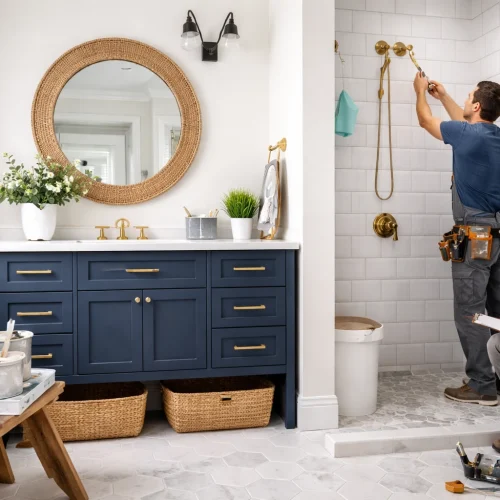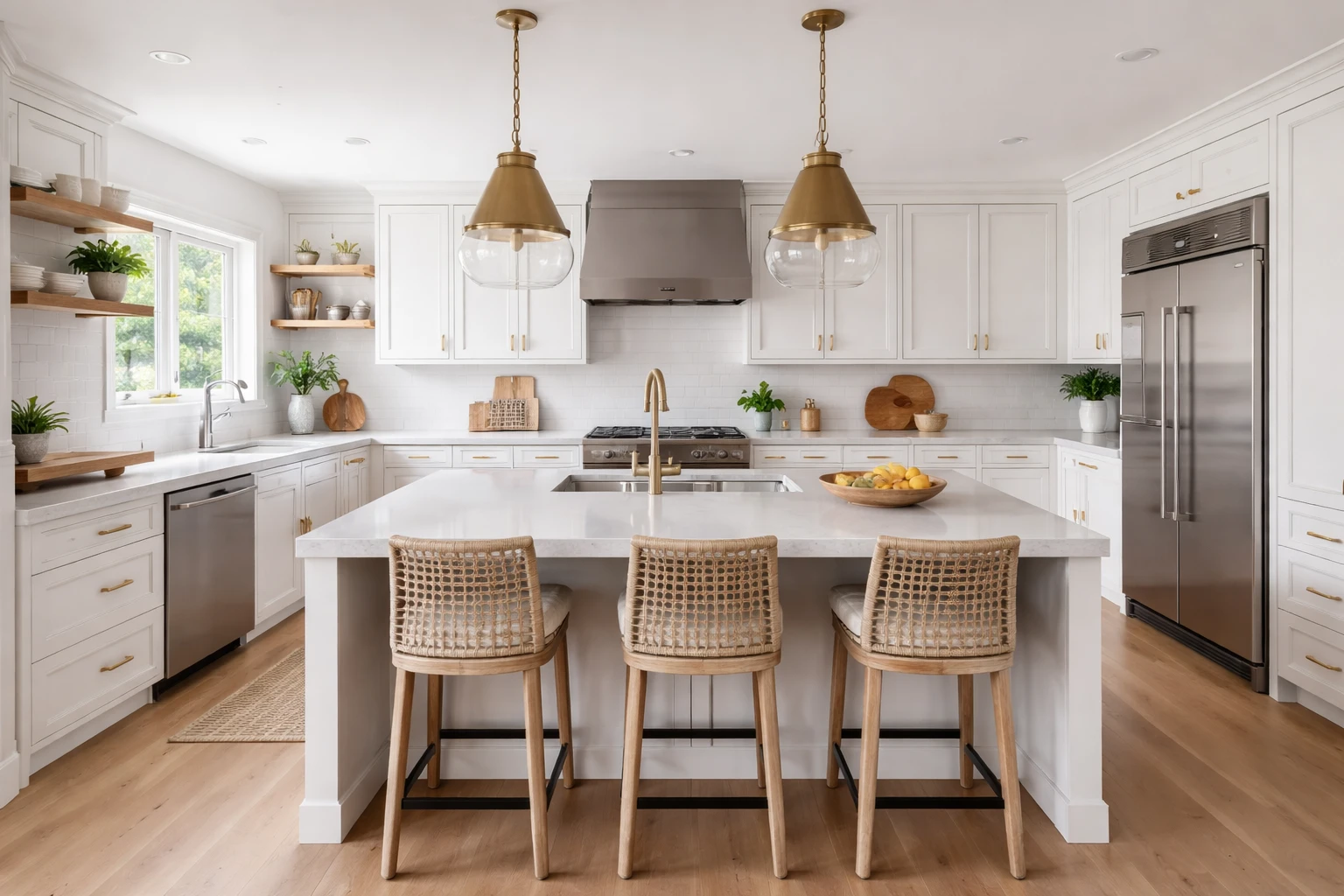
Valley Village kitchen remodeling is often the first step homeowners take when they want to transform the way their home feels and functions, particularly for those inspired by upscale living spaces such as luxury villas St. John.
I remember visiting a friend’s house in Valley Village, where the kitchen still looked like it was frozen in the early 1990s.
The cabinets were bulky, the lighting was dim, and the layout made cooking feel cramped and awkward.
A few months later, after a thoughtful renovation, that same kitchen became the centerpiece of the entire home.
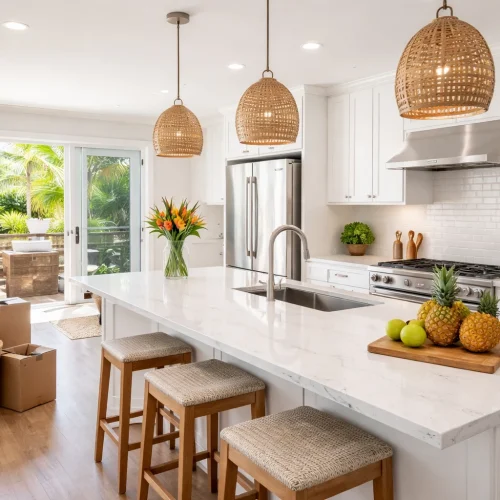
The island became the gathering spot during dinner parties, natural light poured in through new windows, and the entire space suddenly felt welcoming.
That experience made it clear that upgrading a kitchen isn’t just about aesthetics.
It changes how people live inside their homes.
When homeowners start planning their projects, they often begin by researching timelines and renovation phases.
If you want to understand what the process looks like from demolition to final installation, this guide to Valley Village kitchen remodeling explains how each stage of a renovation unfolds.
Understanding the process helps homeowners make better decisions before construction even begins.
Why Kitchen Upgrades Transform the Entire Home
A kitchen renovation has a ripple effect throughout the house.
The kitchen is where mornings begin, meals are prepared, and conversations naturally happen.
When the space feels outdated or poorly designed, daily routines become frustrating.
But when the layout works and the design feels intentional, the room becomes the heartbeat of the home.
I once helped a family evaluate their cooking space before they planned a renovation.
The refrigerator blocked the walkway, the sink faced a blank wall, and there was almost no prep area.
After redesigning the layout, the workflow changed completely.
The cooktop moved closer to the prep zone, the sink was placed beneath a window, and the island created room for conversation.
Simple structural adjustments dramatically improved everyday living.
This is why thoughtful design matters more than simply replacing cabinets or countertops.
Smart Layout Strategies for Modern Kitchens
A successful renovation always begins with layout planning.
Designers often talk about the “kitchen work triangle,” which connects the sink, refrigerator, and cooking area.
When those three elements are positioned correctly, cooking becomes more efficient and enjoyable.
In many older homes, appliances were installed without much attention to workflow.
This is where modern planning changes everything.
Open-concept layouts are now common in Valley Village homes because they allow the kitchen to connect naturally with dining and living areas.
An island can serve multiple functions at once.
It becomes a prep station, a breakfast bar, and sometimes even a homework spot for kids.
In one project I visited, the homeowners replaced a dividing wall with a long island that included seating and storage.
The entire house suddenly felt twice as large.
Good design often achieves more impact than expensive materials.
Choosing Materials That Balance Style and Durability
Selecting materials can feel overwhelming because there are endless options available today.
Countertops alone come in quartz, granite, marble, porcelain, and butcher block.
Each material offers different advantages depending on how the kitchen will be used.
Quartz has become popular because it is durable and low maintenance.
Granite remains a favorite for homeowners who appreciate natural stone patterns.
Butcher block adds warmth and works well for prep areas.
Cabinet finishes also play a major role in shaping the final look.
Soft white cabinets create a timeless feel, while darker tones bring depth and contrast.
Many homeowners now mix materials to add character.
For example, upper cabinets might be white while lower cabinets are a darker shade.
This layered approach makes the space feel custom rather than cookie-cutter.
The key is choosing materials that match both lifestyle and aesthetic goals.
Lighting That Changes the Entire Atmosphere
Lighting is one of the most underestimated elements of kitchen design.
I once walked into a newly renovated kitchen that looked beautiful during the day but dull at night.
The reason was simple.
The homeowners relied on a single ceiling light fixture.
Modern kitchens use layered lighting to create both functionality and ambiance.
Task lighting helps illuminate prep areas.
Pendant lights highlight islands or dining spaces.
Under-cabinet lighting adds depth and eliminates shadows on countertops.
When these lighting layers work together, the kitchen feels warm and welcoming at any time of day.
The transformation can be dramatic even without major structural changes.
Storage Solutions That Make Everyday Life Easier
One of the most common complaints homeowners have about older kitchens is lack of storage.
Traditional cabinets often waste valuable space because they are difficult to access.
Modern storage solutions solve that problem.
Pull-out pantry shelves make ingredients easy to reach.
Deep drawers provide better organization than stacked cabinets.
Corner cabinets can now include rotating shelves that maximize otherwise unusable areas.
In one Valley Village renovation project I toured, the homeowner added a hidden appliance garage behind retractable cabinet doors.
Small appliances disappeared when not in use, keeping the counters clean and uncluttered.
Little design details like these dramatically improve everyday functionality.
Blending Functionality With Personal Style
A great kitchen reflects the personality of the homeowner.
Some people prefer sleek modern lines with minimalist finishes.
Others love warm farmhouse details like wood beams and apron sinks.
The most successful designs combine practicality with personal expression.
I remember visiting a renovated home where the owner installed a custom tile backsplash inspired by Mediterranean patterns.
The colors were vibrant but balanced by neutral cabinets and countertops.
The result felt unique without being overwhelming.
Design choices like this turn a kitchen into a reflection of the homeowner’s lifestyle.
Preparing Your Home for Future Lifestyle Changes
Kitchen renovations are not just about the present moment.
They also prepare homes for future needs.
Families grow, lifestyles change, and entertaining habits evolve.
A flexible layout ensures the kitchen remains functional for years.
For example, wider walkways allow multiple people to cook together comfortably.
Large islands create gathering spaces for social events.
Extra storage keeps clutter from building up as families expand.
In many cases, a thoughtful kitchen redesign even increases the long-term value of the property.
Buyers consistently view kitchens as one of the most important features in a home.
Final Thoughts on Creating a Kitchen That Truly Works
Upgrading a kitchen requires careful planning, but the results are often life-changing.
When layout, lighting, materials, and storage work together, the room becomes both beautiful and practical.
The best projects are not driven by trends alone.
They are guided by how people actually live and use their space every day.
A thoughtfully designed cooking space encourages conversation, simplifies daily routines, and creates a natural gathering place for family and friends.
That is the true power of a well-executed renovation.
FAQs
Valley Village kitchen remodeling involves upgrading layout, materials, and design to improve both function and visual appeal in the home.
The kitchen is where daily routines, meals, and conversations happen, making it a central gathering space for family and guests.
It’s a design concept that positions the sink, stove, and refrigerator in a triangular layout to improve efficiency and workflow.
Yes, open layouts create better flow between spaces and make kitchens feel larger and more connected to living areas.
Quartz, granite, and butcher block are popular choices, each offering a balance of durability, maintenance, and style.
Lighting is essential, as layered lighting improves functionality, enhances mood, and highlights design features.
Pull-out shelves, deep drawers, and rotating corner units help maximize space and make items easier to access.
You can add custom elements like unique backsplashes, mixed cabinet colors, or statement lighting to reflect your style.
Yes, a well-designed kitchen is one of the top features buyers look for and can significantly boost property value.
Focus on flexible layouts, ample storage, and wider walkways to accommodate lifestyle changes and growing families.