
Vacant houses in Birmingham often look quiet and harmless, but they hide serious risks. Homeowners may leave properties empty after moving, inheriting a home, or facing unfinished repairs, thinking a simple lock and occasional check is enough. In reality, problems escalate fast roof leaks, mold, theft, vandalism, and legal headaches can appear before anyone notices. Birmingham’s climate, neighborhood density, and strict property codes make empty homes especially vulnerable.
Combined with rising holding costs and insurance limitations, a seemingly short-term situation can quickly become overwhelming. Understanding these risks helps homeowners make informed decisions. Selling a vacant house for cash provides a fast, practical solution, stopping ongoing expenses and transferring responsibility before minor issues turn into major losses.
Vacant Houses Signal Opportunity to the Wrong People
An empty house sends a message, even when the owner doesn’t mean to send one. Broken routines like no lights at night, no cars in the driveway, and overgrown lawns signal that no one lives there. That visibility attracts attention.
In Birmingham neighborhoods, vacant properties often catch the eye of trespassers, squatters, vandals, and thieves. Copper wiring, appliances, HVAC units, and even doors become targets. Once one break-in happens, others often follow. Word travels fast. Neighbors may notice activity, but they can’t monitor the property around the clock. Police response usually happens after damage occurs, not before. A vacant house rarely stays untouched for long.
Squatters and Unauthorized Occupants Create Legal Headaches
Vacant homes often invite unauthorized occupants. People break in, move belongings inside, and claim the space. Once that happens, removing them isn’t always simple.
Alabama laws protect certain occupant rights, even when those occupants entered without permission. Owners may need to go through a legal eviction process, which takes time and money. During that period, more damage can occur. Squatters often don’t maintain the property. Plumbing leaks go unnoticed. Electrical issues create fire risks. Trash piles up. By the time the owner regains possession, the house often needs far more repairs than it did before.
Deferred Maintenance Accelerates Fast in Birmingham’s Climate
Birmingham’s heat, humidity, and frequent storms speed up deterioration in empty homes. Without daily use, small issues grow quietly.
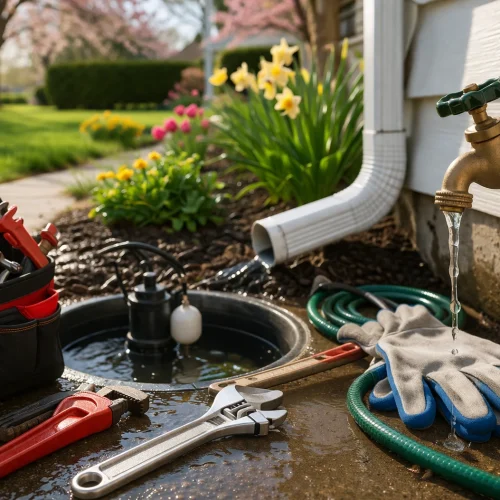
Roofs leak without anyone noticing water stains. Moisture builds up inside walls, creating mold risks. Termites thrive in unattended structures. Yard drainage issues worsen during heavy rains. HVAC systems break down from lack of use. Vacant homes don’t benefit from routine living that reveals problems early. Repairs that might have cost little when someone lived there become expensive once months pass.
Insurance Coverage Often Shrinks or Disappears
Many homeowners assume insurance protects their vacant house the same way it protected an occupied one. That assumption often leads to unpleasant surprises.
Most insurance policies limit coverage once a home sits vacant beyond a certain period. Claims related to vandalism, theft, water damage, or fire may face denial or reduced payouts. Some insurers require special vacant property policies that cost more and cover less. Owners who don’t update their insurance risk paying out of pocket when something goes wrong. That risk grows every month the house remains empty.
Code Violations and City Fines Add Pressure
Birmingham enforces property maintenance standards, even for vacant houses. Overgrown grass, broken windows, unsecured doors, and structural issues can trigger violations.
Once citations begin, fines add up quickly. The city may require repairs within a short timeframe. Failure to comply can lead to additional penalties or legal action. Many owners feel overwhelmed at this stage. They face fines, repairs, and ongoing upkeep for a house they no longer want or need.
Holding Costs Drain Resources Without Any Return
Vacant homes still generate expenses. Property taxes, utilities, lawn care, insurance, and security measures continue month after month. None of those costs create value when the house sits empty.
Owners often plan to sell later, but delays stretch timelines. The longer the property stays vacant, the more money flows out with no benefit coming back in. This cycle pushes many homeowners to rethink their plan and look for an exit that stops the bleeding.
Why Traditional Selling Doesn’t Always Work for Vacant Homes
Selling a vacant house through traditional methods creates its own challenges. Empty homes show poorly. Buyers struggle to imagine living there. Inspectors flag issues that went unnoticed for months. Lenders hesitate when properties show signs of neglect.
Vacant homes often sit longer on the market, which increases holding costs. Buyers negotiate harder when they sense urgency. Each delay increases the chance of vandalism or weather damage.
How Selling for Cash Creates a Safe and Practical Exit
Many homeowners reach a point where keeping a vacant house no longer feels worth the risk. At that stage, selling for cash offers relief that traditional sales can’t provide.
Cash buyers focus on the property as it stands today, not how it looks staged or repaired. They don’t rely on lenders, which removes financing delays. They close quickly, often before new problems arise.
In Birmingham, companies that specialize in vacant homes understand local risks and act fast. In the middle of the decision-making process, many owners come across options like we buy houses for cash in Birmingham, which appeal to people who want a direct sale without repairs, showings, or long timelines.
This solution-oriented approach works well for vacant properties because it stops ongoing costs and transfers responsibility immediately.
Cash Sales Reduce Risk Instead of Adding More Steps
Selling a vacant house for cash changes the dynamic. Instead of managing problems, owners remove themselves from the equation.
No need exists to clean, stage, or repair the property. Buyers expect issues and plan renovations after purchase. Closing timelines stay flexible, which helps owners coordinate moves or estate matters. Cash sales also limit exposure to vandalism and squatters. Once ownership transfers, liability shifts with it. That peace of mind matters to homeowners who worry about what might happen next.
Situations Where Cash Buyers Make the Most Sense
Vacant houses arise from many situations. Cash sales fit especially well in these cases:
- Inherited homes where heirs live out of state
- Properties left empty after relocation or divorce
- Houses with unfinished repairs or storm damage
- Rentals that became vacant after tenant issues
- Homes facing code violations or neighborhood complaints
In these scenarios, selling quickly prevents further deterioration and legal trouble.
Community Benefits of Removing Vacant Homes
Vacant properties don’t just affect owners. They impact neighborhoods. Empty houses lower curb appeal and attract unwanted activity. Neighbors worry about safety and property values. When investors purchase vacant homes, they often renovate and return them to productive use. That process stabilizes neighborhoods and reduces blight. While homeowners focus on their own situation, the broader community benefits from fewer abandoned properties.
Vacant houses attract trouble because they lack oversight, routine care, and human presence. Birmingham’s climate and urban environment amplify those risks. What begins as a temporary situation can quickly become overwhelming. Selling for cash offers a safe relief option for homeowners who want to stop worrying about what might happen next. It removes holding costs, transfers responsibility, and creates a clean break from a stressful property.
FAQs
Birmingham’s humidity, storms, and dense neighborhoods accelerate damage and attract vandalism, squatters, and theft faster than in many areas.
Issues like leaks, mold, break-ins, and code violations can start within weeks, often before owners realize anything is wrong.
Yes. Once unauthorized occupants move in, Alabama law may require a formal eviction process, which takes time and money.
Often not fully. Many policies reduce or deny coverage after a home sits vacant beyond a set period unless special coverage is added.
Yes. Overgrown yards, broken windows, or unsecured structures can trigger citations, fines, and mandatory repair deadlines.
Vacant homes show poorly, reveal deferred maintenance during inspections, and often scare off buyers or lenders.
Cash buyers purchase properties as-is, don’t require financing, and can close quickly without repairs or showings.
Many cash sales close in days or a few weeks, depending on the seller’s timeline and title status.
Yes. Most expect repairs, code issues, or neglect and factor those into their offers.