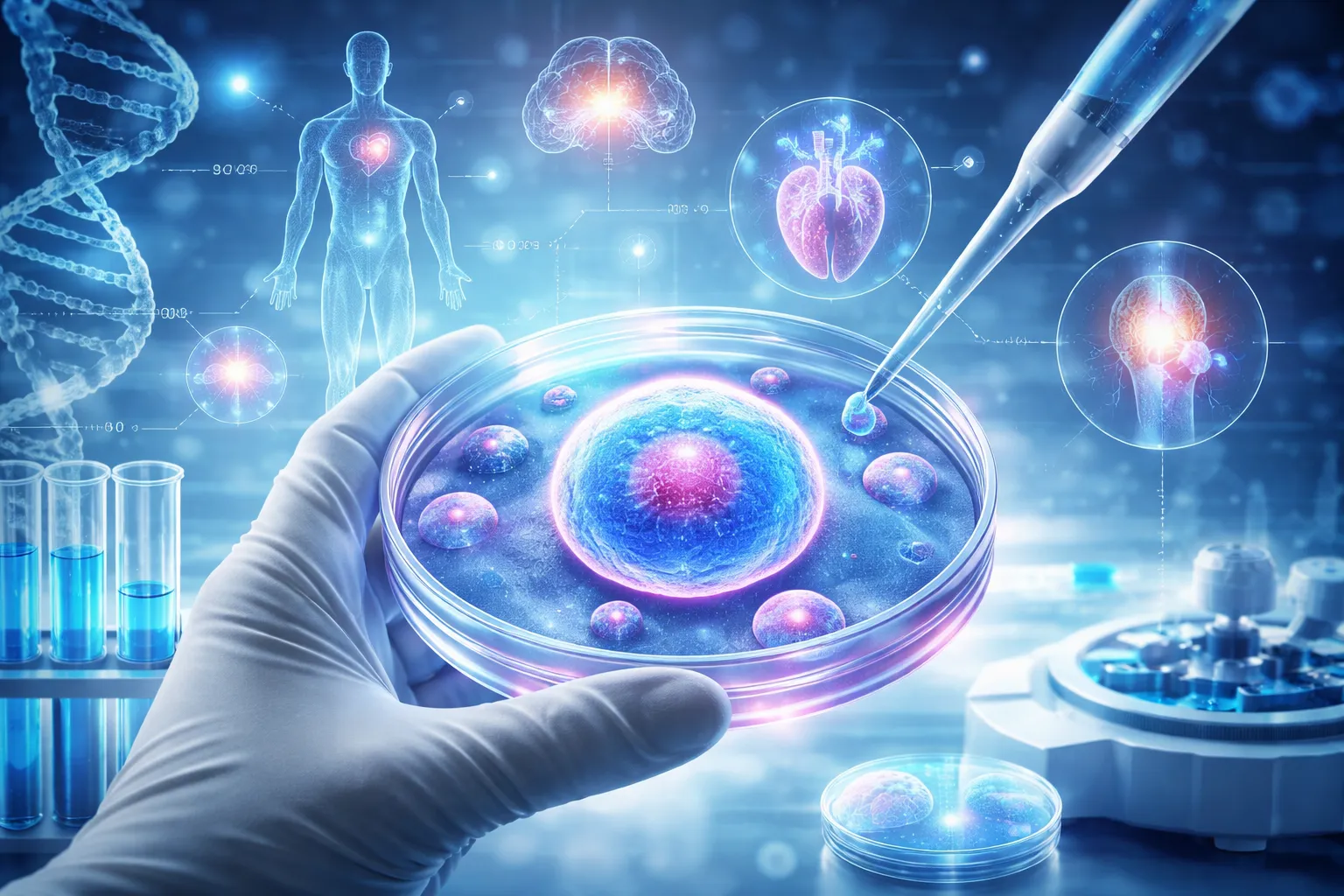
Regenerative medicine is at the forefront of modern healthcare innovation, offering new hope for patients with chronic diseases, degenerative conditions, and previously untreatable injuries. One of the most promising areas in this field is the use of therapy stem cells, which harness the natural ability of the body to repair and regenerate damaged tissues. Stem cells are undifferentiated cells capable of becoming specialized cells, such as muscle, nerve, or blood cells, depending on the signals they receive.
Types of Stem Cells Used in Therapy
There are several types of stem cells, including embryonic stem cells, adult stem cells (also known as somatic or tissue-specific), and induced pluripotent stem cells (iPSCs). Among these, adult stem cells—especially mesenchymal stem cells (MSCs)—are the most commonly used in clinical research and applications due to ethical considerations and their ability to be harvested from bone marrow, adipose tissue, or umbilical cord blood.
Current Medical Applications of Stem Cell Therapies
Stem cells therapies have shown promising results in a wide range of conditions. These include orthopedic injuries such as osteoarthritis and tendon damage, autoimmune diseases like multiple sclerosis and Crohn’s disease, as well as neurological disorders such as Parkinson’s and spinal cord injuries. In cardiology, stem cell treatments are being explored for their potential to regenerate heart tissue after myocardial infarction. Furthermore, stem cells are increasingly being studied for their role in modulating immune responses, reducing inflammation, and supporting tissue healing.
Safety, Regulation, and Clinical Progress
The safety profile of these therapies is continually being refined through rigorous clinical trials. While still considered investigational in many regions, stem cells therapies are already in use under approved protocols or compassionate use programs in certain countries, providing a lifeline to patients with limited treatment options. The regenerative properties of stem cells also make them an attractive alternative to invasive surgeries or long-term drug therapies, potentially reducing recovery time and overall healthcare costs.
Therapy with Stem Cells: A New Era in Personalized Medicine
As science deepens its understanding of cellular biology and immunology, therapy with stem cells is emerging as a cornerstone of personalized and precision medicine. This approach aims to tailor treatments to individual patient profiles, maximizing efficacy and minimizing adverse effects. For example, autologous stem cell therapy uses a patient’s own cells, significantly reducing the risk of rejection or allergic reactions. In contrast, allogeneic therapies, which use donor cells, are also advancing with improved compatibility testing and cell processing technologies.
Treating the Root Cause, Not Just Symptoms
One of the key advantages of therapy with stem cells is its ability to target the root cause of a disease rather than merely alleviating symptoms. In degenerative conditions, for instance, stem cells can help replace lost or damaged tissue, potentially reversing disease progression. Additionally, in the field of oncology, researchers are exploring the use of stem cells to deliver targeted therapies or repair bone marrow damaged by chemotherapy.
Future Innovations Shaping Stem Cell Research
The future of stem cell research is closely tied to technological advancements such as 3D bioprinting, gene editing (e.g., CRISPR-Cas9), and nanotechnology. These innovations may soon enable the creation of complex tissues and even entire organs in the lab, revolutionizing transplant medicine and offering new hope to patients on long waiting lists.
However, as with all medical advancements, it is crucial to proceed with caution. Ethical considerations, regulatory standards, and long-term monitoring must remain priorities to ensure patient safety and public trust. Reputable institutions like AMSA Biotech play a vital role in advancing the science while maintaining strict quality control, transparency, and adherence to international guidelines.
Conclusion
In conclusion, therapy stem cells and therapy with stem cells are redefining the boundaries of what is medically possible. As ongoing research continues to validate their potential, stem cell-based therapies are poised to transform the landscape of modern medicine—offering not just treatment, but the possibility of true healing.
FAQs
Regenerative medicine focuses on repairing or replacing damaged cells, tissues, or organs to restore normal function rather than just managing symptoms.
Therapy stem cells are undifferentiated cells used in medical treatments to support tissue repair, regeneration, and immune modulation.
The main types include embryonic stem cells, adult stem cells, and induced pluripotent stem cells (iPSCs), with adult stem cells most commonly used in practice.
MSCs are favored because they are easier to harvest, pose fewer ethical concerns, and have strong anti-inflammatory and regenerative properties.
Stem cell therapies are being researched for orthopedic injuries, autoimmune diseases, neurological disorders, heart disease, and certain cancer-related treatments.
Safety is continually evaluated through clinical trials, and approved or compassionate-use treatments follow strict regulatory and monitoring protocols.
Autologous therapy uses a patient’s own cells, while allogeneic therapy uses donor cells that are carefully screened for compatibility.
Instead of masking symptoms, stem cell therapy aims to repair or replace damaged tissue, potentially slowing or reversing disease progression.
No, many stem cell therapies remain investigational and are regulated differently across countries depending on clinical evidence and oversight.
Innovations like 3D bioprinting, gene editing, and nanotechnology may enable the creation of lab-grown tissues and more precise, personalized treatments.