Improving your home does not always require a major renovation or a large budget. Sometimes, small, thoughtful upgrades can significantly increase comfort, energy efficiency, safety, and overall property value. Whether you are a homeowner looking to refresh your space or someone preparing a property for sale, knowing the right home improvement tips can help you make smart decisions.
This guide covers practical advice, expert suggestions, and simple steps you can follow to improve different areas of your home. You will also learn how modern tools, such as creating a useful AI presentation maker, can help you plan, visualize, and organize your renovation ideas more effectively.
Why Home Improvement Matters
Home improvement is more than just decoration or repairs. It influences your lifestyle, finances, and long-term property value. Here is why improving your home is essential:
1. Enhances Comfort
Simple upgrades like better lighting, organized storage, and improved insulation help you live more comfortably.
2. Increases Home Value
Well-planned improvements, such as updated kitchens or renovated bathrooms, can increase resale value significantly.
3. Boosts Energy Efficiency
Energy-efficient appliances, insulation, and windows can reduce utility bills.
4. Improves Safety
Fixing wiring, replacing outdated systems, and reinforcing structural safety make the home more secure.
General Home Improvement Tips You Can Start Today
These foundational home improvement tips apply to any type of property and can be done gradually without overwhelming your budget.
1. Declutter and Organize
Decluttering is the easiest way to give your home a fresh feel. Organize items using shelves, baskets, and labeled containers. A clean and tidy environment improves both physical and mental well-being.
2. Upgrade Your Lighting
Lighting affects mood and interior appearance. Consider:
- Soft white lights for bedrooms
- Bright LEDs for kitchens
- Warm lights for living rooms
- Motion-sensor lights for entrances
Switching to LED bulbs can also save energy.
3. Paint with Modern Colors
A fresh coat of paint transforms rooms instantly. Popular colors include warm neutrals, soft greys, and calm blues. Paint is inexpensive but delivers a big impact.
4. Improve Storage Solutions
Maximize space with:
- Floating shelves
- Built-in cabinets
- Multi-purpose furniture
- Under-bed storage boxes
Good storage makes your home more functional.
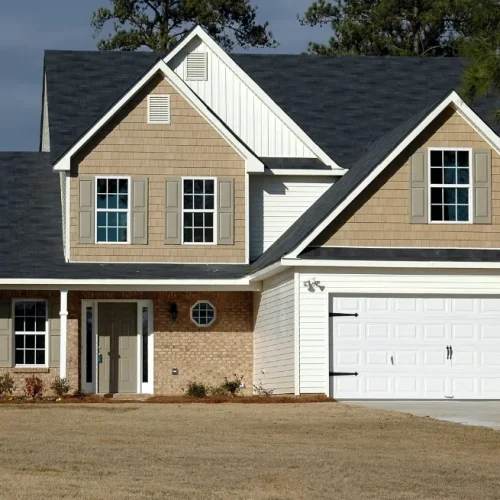
5. Refresh the Exterior
Exterior improvements add curb appeal. You can update:
- The front door paint
- Outdoor lighting
- Flower beds
- House numbers
- Driveway edges
These small improvements make your home more inviting.
Home Improvement Tips for Different Areas of Your Home
Below are room-by-room recommendations to help you maintain a modern, functional living environment.
Kitchen Improvement Tips
The kitchen is one of the most valuable spaces in your home. Enhance it with:
Small Updates
- Replace cabinet handles
- Add peel-and-stick backsplash tiles
- Install under-cabinet lighting
- Organize pantry shelves
Bigger Upgrades
- Replace old appliances with energy-efficient models
- Update countertops
- Install a deeper sink
- Add a kitchen island or breakfast bar
Living Room Improvement Tips
The living room is where comfort matters most.
Try These Enhancements
- Rearrange furniture for better flow
- Add area rugs to define spaces
- Install smart lighting
- Add indoor plants for a natural touch
- Hang wall art in a balanced arrangement
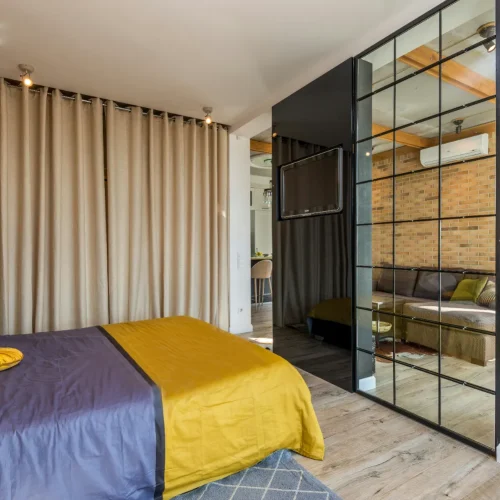
Bedroom Improvement Tips
A peaceful bedroom contributes to better sleep and relaxation.
Ways to Improve the Bedroom
- Use blackout curtains
- Upgrade bedding for comfort
- Add warm lighting
- Incorporate soft textures like throws and cushions
- Install closet organizer
Bathroom Improvement Tips
Bathrooms benefit from functional and aesthetic upgrades.
Effective Bathroom Changes
- Replace old faucets with modern designs
- Install moisture-resistant paint
- Add shelving above the toilet
- Improve ventilation
- Replace shower curtains with glass screens
Outdoor Improvement Tips
Outdoor areas add beauty and value.
Consider These Additions
- Build a small patio or seating area
- Repaint fences
- Add solar pathway lights
- Plant low-maintenance shrubs
- Clean and organize garden tools
Comparison Table: Low-Cost vs. High-Value Improvements
| Improvement | Difficulty | Budget Level | Impact on Home Value |
| Painting walls | Easy | Low | Medium |
| Replacing lighting | Easy | Low | Medium |
| New flooring | Medium | Medium to High | High |
| Energy-efficient windows | Hard | High | High |
| Landscaping | Medium | Low to Medium | Medium |
This table helps you decide where to spend based on your goals.
Modern Tools to Help You Plan Home Improvements
Planning your home changes is easier when you use digital tools. One helpful method is creating a useful AI presentation maker to outline your ideas, compare designs, and share planned improvements with contractors or family members. These tools help you:
- Organize renovation timelines
- Add before-and-after photos
- Present design options
- Estimate budgets
- Track progress
Using AI tools saves time and improves clarity during your renovation journey.
FAQs
Cleaning, repainting, decluttering, and upgrading lighting are simple and affordable.
Kitchens, bathrooms, flooring, and exterior improvements yield the highest returns.
Every 3–5 years is ideal for small upgrades, but major renovations depend on wear and condition.
Yes. Many impactful changes, like painting or improving lighting, are budget-friendly.
Start with the areas that affect safety and function, then focus on visual updates.
Conclusion
Improving your home does not require a complete remodel or a large investment. With the right home improvement tips, you can make meaningful changes that enhance comfort, efficiency, and long-term property value. By planning your upgrades carefully and using modern tools to visualize your ideas, you can create a home that looks better, functions better, and feels better every day.