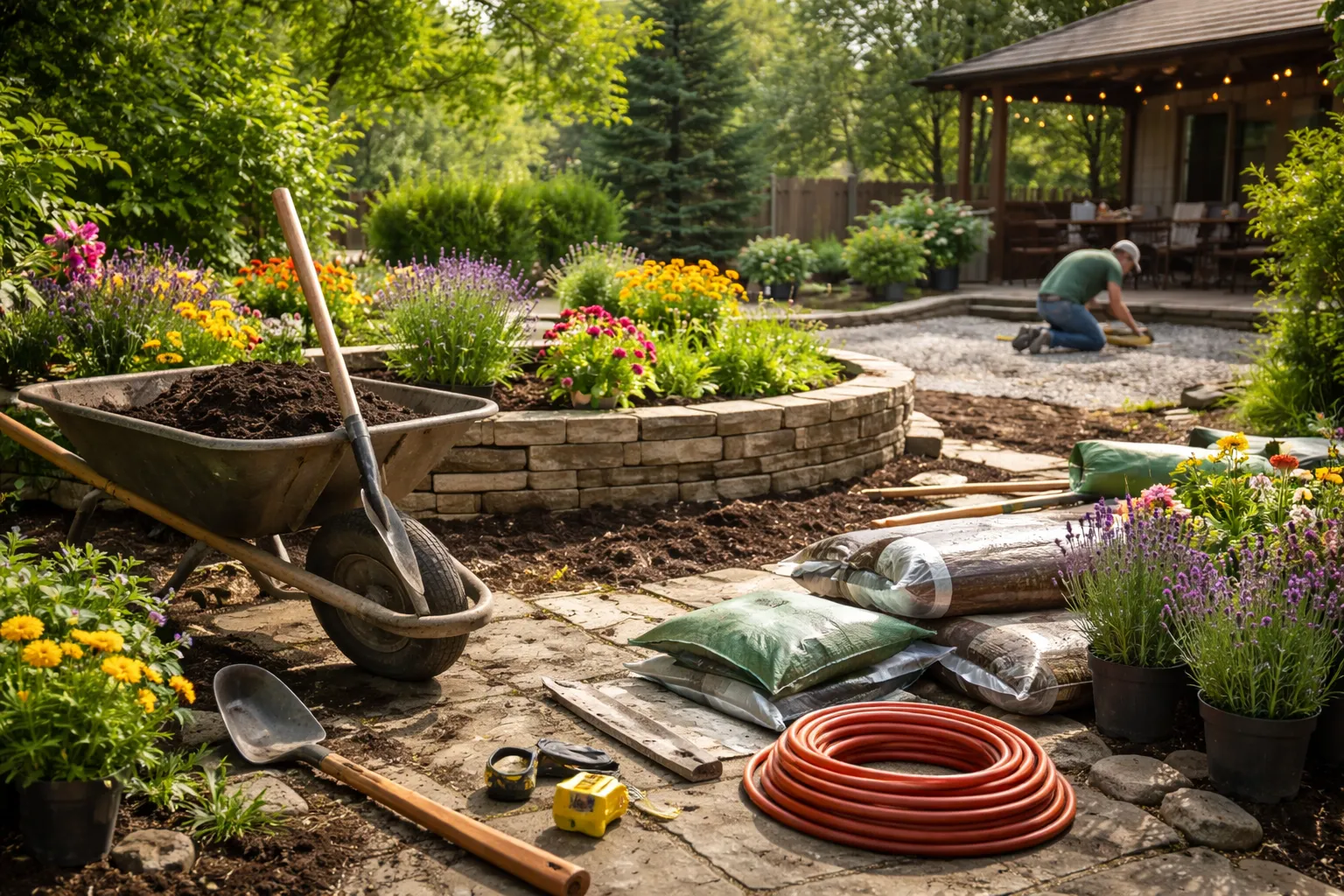
I’ve seen it too many times. You go to the store. You buy twenty bags of dirt. And you get home and realize you need forty more. It’s a mess. Your back hurts. Your wallet is empty. This is why yard work feels so hard. People guess. Don’t guess. Most folks start with a big dream but no plan. They want a garden that looks like a magazine cover. They spend hundreds of dollars on plants and stones. Then they realize the ground isn’t ready. If you want to succeed, you need to think about math first. I know math is boring. But it’s what keeps your yard from looking like a swamp.
Yard work is supposed to be fun. It’s about being outside and making something. Don’t let bad math ruin your joy. Use tools. Trust the numbers. Get your hands dirty, but do it the smart way. That’s how you build a space you’re proud of. If you’re looking for a real landscaping guide, you’re in the right spot. I don’t use fancy words. I just use what works. I’ve spent years helping people at Fit For Yard fix their outdoor mistakes. Now, I want to help you avoid them before you pick up a shovel.
Why Planning Your Yard Always Wins
A good yard doesn’t happen by accident. I used to think I could just buy flowers and stick them in the ground. I was wrong. The flowers died. The grass turned brown. I realized that the best yards are built on a solid plan. You need to know your space. You need to know your sun. Most importantly, you need to know your numbers.
People hate planning. They want to get to the “fun part” of planting. But the fun part won’t last if the base is bad. Think about it like building a house. You wouldn’t put up walls without a foundation. Your yard is the same. Soil, mulch, and concrete are your foundation. If you get those wrong, nothing else matters. I’ve spent years fixing my own mistakes. Now, I want to help you avoid them.
Stop Guessing Your Soil Needs
Soil is the base of everything. If you don’t have enough, your plants will die. If you have too much, you have a giant pile of mud in your driveway. I used to just eyeball it. I’d look at a hole and think, “Yeah, that’s five bags.” I was always wrong. Every single time. You need to measure. Get a tape measure. Get some stakes. Walk the area. Write down the numbers. You can’t just wing it and hope for the best. Good dirt is expensive. You don’t want to waste it. Plus, hauling extra bags back to the store is a nightmare nobody wants.
When you’re digging, you have to think about depth. Most people forget this. They think about length and width. That’s only half the story. You need to know how deep you’re digging. Are you planting flowers? You need six inches. Are you laying a path? You need four. If you miss this part, your whole project is doomed. I made this mistake once with a flower bed. I bought enough mulch for a thin layer. Two weeks later, weeds were everywhere. The mulch wasn’t deep enough to stop them. It was a waste of a Saturday. I had to go back and do it all again. Do it right the first time. It’s much easier.
To stop the guessing game, I always recommend using a tool. It’s way better than scratching numbers on a napkin. You can find an accurate soil calculator right here. Just put in your measurements. It tells you exactly what to buy. It’s that simple. No more math headaches.
Mulch Is Your Best Friend
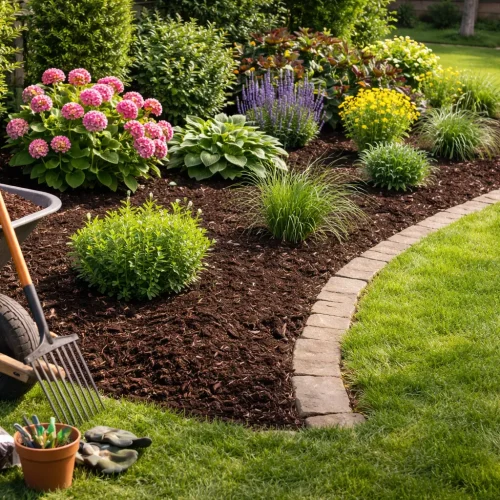
Mulch does more than just look pretty. It keeps moisture in the ground. It keeps the weeds down. And it keeps the roots cool in the summer and warm in the winter. I love the smell of fresh mulch. It makes a yard look finished. But buying too little is a waste of time. Buying too much is a waste of money.
I’ve seen piles of mulch left in driveways for months because people bought way too much. It gets gross. It attracts bugs. Don’t be that person. Measure your beds. Check the depth you want. Three inches is usually the sweet spot for most gardens. If you go thinner, the sun hits the dirt and weeds grow. If you go thicker, you might choke your plants. To get your order right, check this yard mulch calculator before you head to the garden center. It’s a lifesaver. You can even use it on your phone while you’re standing in the aisle. It takes the stress out of the whole trip.
The Concrete Trap
Hardscaping is the “hard” stuff. Think patios, walkways, and walls. These projects are permanent. You can’t just pull up a concrete slab as easily as you can pull up a dead daisy. That’s why the math here is so important. Concrete is even scarier than soil. Once you pour it, you’re stuck. If you run out halfway through a slab, you’re in big trouble. You’ll have a weird line in your patio. It looks bad. It cracks easily. You can’t just go buy one more bag and fix it.
I tell people to always buy 10% more than they think they need. Spills happen. Holes are deeper than they look. If you use a concrete calculator, you get a real number. It’s way safer than guessing. I’d rather have two extra bags in the garage than a half-finished walkway. Trust me on this one. I’ve seen grown men cry over a dry concrete mix that didn’t reach the edge of the form.
When you’re doing concrete, speed matters. You have to work fast. You need your tools ready. And you need your water ready. If you’re still trying to figure out how many bags you need while the truck is sitting there, you’ve already lost. Plan first. Pour second.
Pool Volume Landscaping Realities
Having a pool is great. But the area around it is tricky. You have to deal with water and chemicals. You can’t just put any plant there. Salt water or chlorine will kill many common flowers. You need tough plants. Think grasses or things with thick leaves.
You also need to think about the volume of your pool. This helps with two things. First, you need to know how much chemical to add. Too much is bad for your skin. Too little is bad for the water. Second, if you’re building a deck or a patio around it, you need to know the exact size of the hole. If you’re filling it up for the first time, you don’t want to guess how much water you’re using. Use a pool water volume calculator to get it right.
I’ve seen pool projects go way over budget because the owner didn’t know the volume. They bought a pump that was too small. Or they bought a filter that couldn’t handle the load. These are expensive mistakes. Know your pool’s size before you spend a dime on decor or equipment.
The Nightmare of Bad Drainage
Water is your yard’s best friend and its worst enemy. If you don’t give water a place to go, it will pick a place for you. Usually, that place is your basement or a big muddy hole right in the middle of your lawn. I spent a whole summer digging a trench because I ignored a small puddle. That small puddle turned into a lake every time it rained.
Drainage isn’t exciting. You can’t see it when it’s working well. But you sure notice when it fails. Look for the low spots in your yard. If water sits there for more than an hour after a storm, you have a problem. You might need a French drain. This is just a pipe in a hole filled with gravel. It sounds simple. It is simple. But it takes a lot of digging.
Don’t just dump dirt in a low spot and hope it goes away. You’re just moving the problem. Water will find the next lowest spot. Sometimes that’s your neighbor’s yard. Then you have a legal problem. Talk to a pro if you’re not sure. Grading your yard is hard work. It involves moving tons of dirt. Before you start moving that dirt, measure the slope. A yard should slope away from your house. One inch of drop for every ten feet is the rule.
Tool Maintenance: Stop Making It Hard
I see people trying to dig holes with rusty, dull shovels. Why? It makes the work twice as hard. A sharp shovel cuts through roots like butter. A dull one just bounces off. I sharpen my shovels once a month. It takes five minutes with a metal file. Those five minutes save me hours of sweat in the yard.
Keep your tools clean too. Dirt holds moisture. Moisture makes rust. Rust eats your tools. After I finish a job, I spray my tools with a hose. I dry them off. Then I spray them with a little bit of oil. It keeps them looking new. I have a shovel that belonged to my grandfather. It’s still sharp. It’s still strong. That’s because he took care of it.
Your back will thank you for using the right tool. Don’t use a garden trowel to dig a tree hole. Don’t use a big shovel to plant small bulbs. Use the tool that fits the job. And please, wear good gloves. Blisters are a sign that you weren’t prepared. I learned that the hard way. One afternoon of digging without gloves left my hands useless for a week.
Choosing The Right Plants For Your Soil
Don’t just buy what looks pretty at the store. Those plants are often in “perfect” conditions. Your yard is different. Maybe you have sandy soil. Maybe you have heavy clay. You need plants that like your dirt. Check your zone. Every area has a hardiness zone. If you buy a tropical plant in a cold zone, it’s going to die in the first frost.
Talk to the people at your local nursery. They know what grows well in your town. They want you to succeed. Big box stores don’t always care. They’ll sell you a palm tree in Alaska if you pay for it. Stick to native plants when you can. They’ve lived there for thousands of years. They don’t need much help. They can handle the local rain and the local bugs.
I like to test my soil before I plant anything big. You can buy a kit for ten dollars. It tells you if your dirt is acid or alkaline. Some plants, like blueberries, love acid. Others will turn yellow and die in it. Knowing this saves you from throwing money away on plants that never stood a chance.
The Budget Reality Check
DIY is supposed to save money. But it only saves money if you don’t have to do it twice. Buying cheap tools is a mistake. They break. Then you buy the expensive tool anyway. Just buy the good shovel the first time. It will last your whole life.
Also, factor in the cost of delivery. Soil and mulch are heavy. Unless you have a big truck, you’ll have to pay someone to bring it. This can double the cost of the material. Group your projects together. If you need soil and mulch, get them delivered on the same day. It’s much cheaper that way.
Don’t forget about the “extras.” You need bags for the weeds. You need gas for the mower. And you need lunch for the friends who come over to help. These costs add up fast. I always add 20% to my budget for things I didn’t think of. I usually end up spending it.
Why I Love Yard Work
I spend all day on my computer. Coming outside and digging a hole feels good. It’s real. You can see what you did at the end of the day. You can sit back with a drink and look at your hard work. It’s a great feeling.
But I only feel that way when the project goes well. If I’m fighting with my tools or running back to the store for more gravel, I’m not happy. I’m grumpy. I’m swearing at the weeds. That’s why I’m so big on the “prep” part. Do the boring work of measuring. Use digital tools. Then, enjoy the digging.
There is peace you find in a garden. It’s quiet. You see the birds. You see the seasons change. It reminds you that things take time. You can’t rush a tree to grow. You can’t rush a flower to bloom. And you just have to give them what they need and wait. It’s a good lesson for life.
Dealing With Pests The Natural Way
Bugs are going to come. It’s their world. We just live in it. But you don’t have to spray poison everywhere. I hate those chemicals. They kill the good bugs too. They kill the bees. And they kill the butterflies.
I use neem oil or soap water. It works. You have to do it more often, but it’s safe. I also like to plant things that bugs hate. Marigolds are great for this. They smell funny to pests but they look pretty to us. Lavender is another one. It keeps the mosquitoes away while you’re trying to sit on your porch.
If you have a big pest problem, look at your plants. Usually, bugs attack weak plants. If your plant is healthy and has enough water, it can fight back. Healthy soil leads to healthy plants. Healthy plants lead to fewer bugs. It’s all connected.
My Advice for Beginners
Start small. Don’t try to redo the whole backyard in one weekend. You’ll get tired. You’ll get frustrated. Pick one corner. Measure it. Use the tools. See how it goes.
If you’re looking for a landscaping guide, this is the most honest one you’ll find. Don’t look for fancy secrets. The secret is just being prepared. Buy your materials based on real numbers. Wear good gloves. Drink plenty of water. Your yard will look great if you just take your time.
Check your tools. A dull shovel is your enemy. Sharpen your tools and keep them clean. It makes the work go twice as fast. Now, go get started. Your yard is waiting for you. Grab a pencil and a tape measure. Look at your yard as a puzzle. Every piece fits if you have the right measurements. Don’t let the size of the job scare you. Just take it one square foot at a time.
I’ve spent years helping people with their yards. The ones who are happy are the ones who planned. They didn’t have the most money. They just had the best notes. And they knew their soil depth. They knew their mulch volume. They knew how much concrete they needed for their fence posts. You can be one of those people. Use the tools. Trust the numbers.
Now, go out there and build something. Make your neighbors jealous. Make your family proud. And most of all, make a space where you can actually relax. That’s the whole point of a yard anyway. Good luck! You’ve got this. Just remember—measure twice, buy once. It’s the only way to garden without going crazy.
Whenever you’re ready to start, I’ll be here with more tips. Yard work is a journey. There’s always something new to learn. But once you get the basics of measurement down, everything else becomes a lot easier. Happy planting!