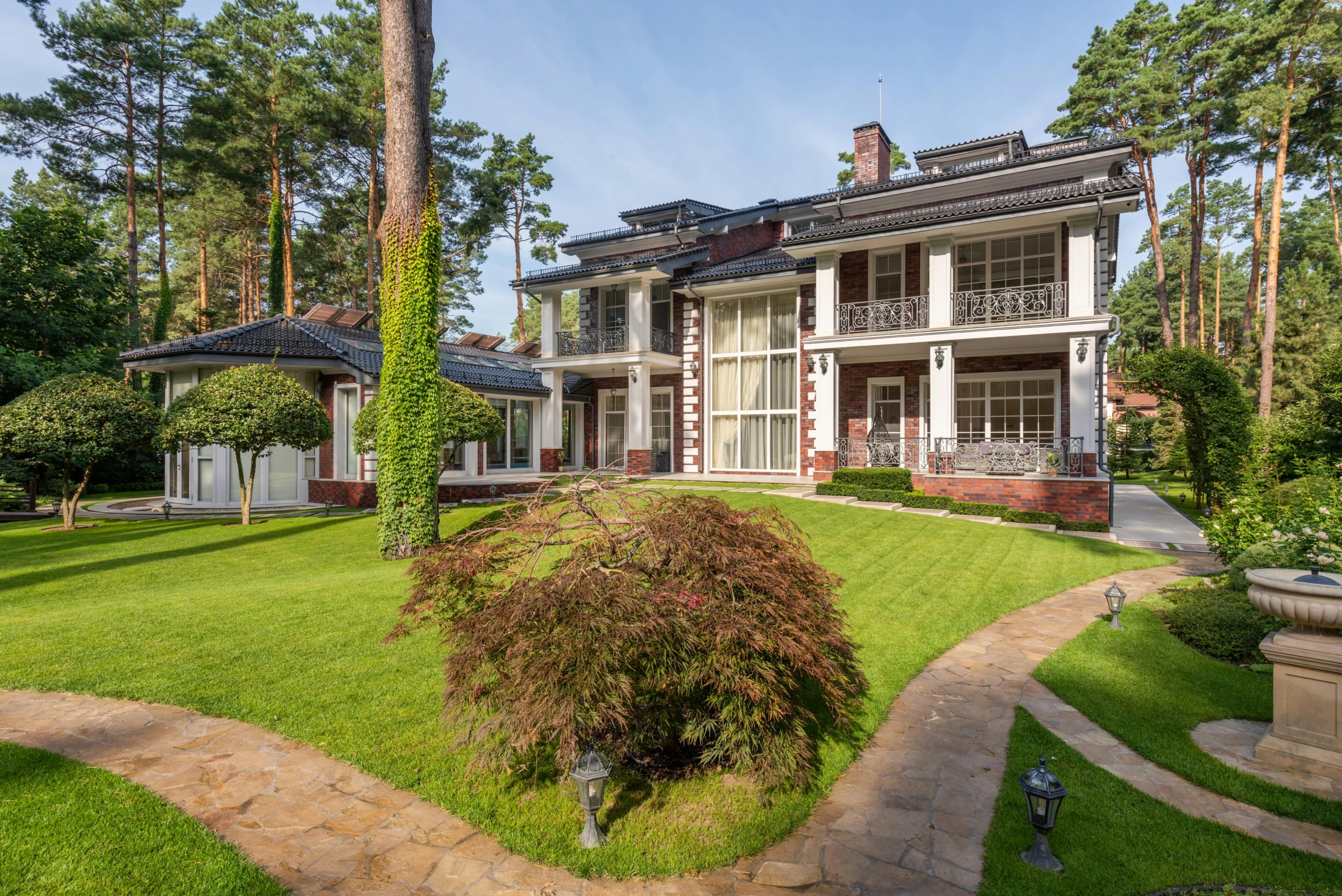
Walk out into your yard and be honest with yourself for a second. Are you actually using it, or just walking past it? Patchy grass, uneven ground, random dry spots, areas that feel awkward to step on, all of that quietly pushes you back inside. The space exists, but it doesn’t invite you in. It doesn’t feel ready. And that’s the real issue. A yard becomes part of your life only when it feels like it can handle it.
Now put that same yard in Sarasota. You’ve got weather that practically asks you to step outside. Evenings feel open, weekends stretch a little longer, and staying indoors starts to feel like a waste. A yard in that setting should feel like an extension of your home, not a project waiting to be fixed. Once the ground feels right and the space makes sense, you stop thinking about it and just start using it.
A Solid Ground
Everything comes back to what’s under your feet. If the ground feels off, the entire yard feels off. You notice it immediately. Walking across it feels uneven, setting anything down feels temporary, and the whole space gives off that unfinished energy. No amount of decor or furniture fixes that. The surface has to feel right first, and sod can prove to be the ultimate solution here. Sod is pre-grown grass that gives you an instant, even lawn without waiting for seeds to grow. It stabilizes soil, covers bare or damaged areas quickly, and reduces issues like dust or mud.
Seeking a professional sod installation service in Sarasota can help you achieve your goal. Instead of trying to patch things together or wait for grass to slowly fill in, you get a full lawn that looks and feels ready. It gives you something solid to work with. You can step out, place furniture, host people, or just sit down without second-guessing the ground beneath you.
Leveling the Soil First
Uneven soil has a way of limiting what you can do with your yard. You might not think about it at first, but it shows up every time you try to actually use the space. Chairs don’t sit right, tables feel unstable, and walking across certain areas feels awkward. It pulls you out of the moment without you even realizing why.
Leveling the ground removes that friction completely. The space starts to feel usable in a natural way. You don’t have to adjust where you place things or avoid certain spots. Everything sits properly, everything feels balanced, and the yard becomes somewhere you can actually spend time instead of working around.
Improving Soil Quality
Soil decides whether your yard holds up or keeps falling back into the same problems. You can lay grass, plant flowers, and water regularly, but if the soil underneath isn’t doing its job, you’ll keep seeing thin areas, weak growth, and spots that never quite come together.
Fixing the soil changes the way your yard behaves. Grass grows evenly, plants take hold without struggling, and the space starts looking full without constant intervention. You’re not chasing growth or fixing the same areas over and over.
Installing Proper Drainage
Water has a way of exposing every weak point in a yard. A little rain can leave certain areas soaked, soft, or completely unusable. You step outside and instantly know which spots to avoid. Over time, those areas stay uneven, the grass struggles, and the space starts feeling unreliable.
Putting proper drainage in place fixes that at its source. Water moves through the yard instead of sitting on top of it. The ground stays firm, the grass holds up, and you don’t have to wait around for sections to dry out before using them.
Using Ground Covers in Problem Areas
Every yard has those stubborn zones. The ones where grass refuses to cooperate, no matter how much effort you put in—too much sun, too much shade, or just the wrong conditions. Trying to force grass into those spots usually turns into a cycle of frustration.
Ground covers solve that in a way that actually feels intentional. Instead of fighting the space, you work with it. Those problem areas turn into finished sections that hold their look without constant attention.
Adding Outdoor Lighting
Once the ground is sorted and the space feels usable, the next shift happens in how long you can actually enjoy it. A yard that disappears the moment the sun goes down limits how often you step outside. It becomes a daytime-only space, even if everything else is in place.
Outdoor lighting changes that. Soft lighting along pathways, near seating areas, or around key features keeps the space alive into the evening. You step outside after sunset, and the yard still feels inviting, still feels usable. It extends your time out there in a way that feels natural, not forced, and suddenly your yard becomes part of your evenings, not just your afternoons.
Creating a Defined Patio or Deck Area
A yard starts feeling real once there’s a place to actually sit and stay. Without a defined area, everything feels temporary. You step outside, stand around for a bit, and then head back in because there’s nowhere that really holds you there.
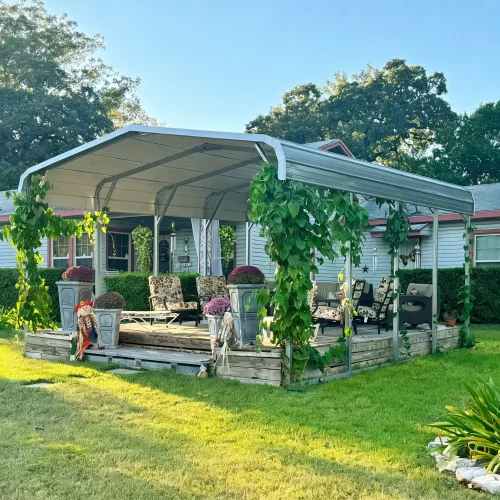
Adding a small patio or deck changes how you use the space entirely. It gives you a reason to step outside and stay a while. You’ve got a spot for chairs, a table, maybe even a place to gather with others.
Defining Functional Zones
An empty yard can feel like too much space without direction. Everything merges, and you’re not quite sure how to use it. Once areas are defined, the space starts making sense on its own.
A section for seating, another for open movement, maybe a corner for plants or quiet time. Each part has a role, and that structure makes the yard feel easier to use. You don’t have to think about where to go or what to do.
Using Edging for a Finished Look
Edges might seem like a small detail, but they pull everything together in a way that’s easy to notice once they’re in place. Without them, grass and garden areas can feel like they’re blending into each other without any clear boundary.
Adding edging creates clean lines that define each part of the yard. Lawn stays where it should, garden beds look contained, and the entire space feels more put together.
A yard becomes usable once it stops feeling like a project and starts feeling like part of your home. Fix the ground, shape the space, and support it with the right systems, and everything starts falling into place. From there, it’s no longer about fixing problems, but actually enjoying the space you’ve created.
FAQs
If you find yourself avoiding it due to uneven ground, patchy grass, or discomfort, it likely needs improvement to become fully usable.
Sod is pre-grown grass that provides an instant lawn, giving you a smooth, stable surface without waiting for seeds to grow.
Leveling eliminates uneven areas, making it easier to place furniture and move around comfortably without constant adjustments.
You can enhance soil by adding nutrients, organic matter, and ensuring proper aeration to support healthy plant growth.
Standing water, muddy patches, and consistently soft ground after rain are clear indicators of drainage issues.
It prevents water buildup, keeping the ground firm and allowing you to use the space even after rainfall.
Using ground covers suited to the environment can turn problem areas into low-maintenance, attractive sections.
Yes, lighting extends usability into the evening and enhances both safety and ambiance.
A defined area gives you a place to sit and gather, making the yard feel more functional and inviting.
Edging creates clean boundaries, helping different areas stay organized and giving the yard a polished, finished look.